Navigating the 2026 Estate Tax Thresholds: Secure Your Financial Legacy

Navigating the 2026 Estate Tax Thresholds: Secure Your Financial Legacy
As we approach 2026, a significant shift in U.S. estate tax law looms on the horizon, presenting both challenges and opportunities for individuals and families with substantial wealth. The current, historically high estate and gift tax exemption amounts are scheduled to sunset, reverting to pre-2018 levels, adjusted for inflation. This impending change makes 2026 Estate Tax Planning an urgent and critical consideration for anyone looking to preserve their financial legacy and minimize potential tax liabilities. Understanding these thresholds and proactively implementing strategic planning is not merely a recommendation; it’s a necessity for safeguarding your assets for future generations.
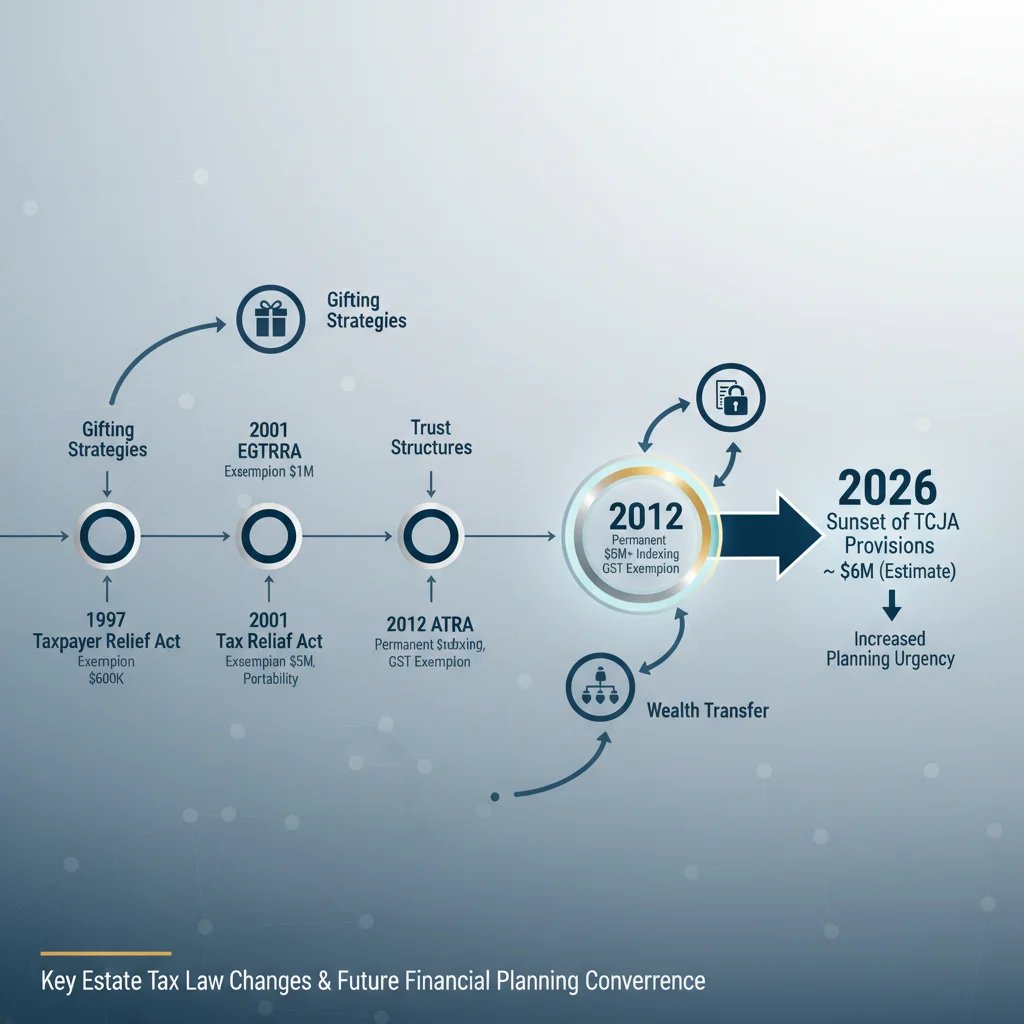
The Tax Cuts and Jobs Act (TCJA) of 2017 dramatically increased the federal estate and gift tax exemption. For 2023, this exemption stands at an impressive $12.92 million per individual, or $25.84 million for a married couple. This means that estates valued below these thresholds are generally exempt from federal estate taxes. However, come January 1, 2026, these figures are projected to be cut roughly in half, potentially impacting a much broader range of estates than is currently affected. This article will delve into the specifics of these changes, explore their implications, and provide actionable strategies for effective 2026 Estate Tax Planning to help you navigate this complex landscape.
Understanding the Impending 2026 Estate Tax Threshold Changes
The core of the upcoming challenge lies in the scheduled expiration of key provisions from the TCJA. When the TCJA was enacted, it doubled the estate, gift, and generation-skipping transfer (GST) tax exemptions. Specifically, the basic exclusion amount (BEA) was set at $5 million, indexed for inflation, plus an additional $5 million. This led to the elevated exemption amounts we’ve seen in recent years. Without new legislation, on January 1, 2026, the BEA is set to revert to its pre-TCJA level of $5 million, adjusted for inflation. While the exact figure for 2026 is still subject to inflation adjustments, it’s widely anticipated to be in the range of $6 million to $7 million per individual.
This reduction will have profound implications. Many individuals and families who currently believe their estates are comfortably below the federal estate tax threshold may find themselves exposed to significant tax liabilities. The federal estate tax rate is a flat 40% on the value of an estate exceeding the exemption amount, making careful planning paramount. Furthermore, it’s essential to remember that some states also levy their own estate or inheritance taxes, which can further complicate the financial landscape for beneficiaries, regardless of federal exemptions.
The Sunset Provision Explained: Why 2026 is a Critical Year
The term ‘sunset provision’ refers to a clause in a law that specifies an automatic expiration date for some or all of the law. In the case of the TCJA, several individual tax provisions, including the increased estate and gift tax exemptions, were given an expiration date of December 31, 2025. This was largely a budgetary maneuver, allowing Congress to pass significant tax cuts without permanently increasing the national debt projection over a 10-year window. As 2026 approaches, the default action is for these provisions to expire unless Congress acts to extend, modify, or make them permanent.
While there’s always a possibility that Congress could intervene before the sunset date, relying on legislative action is a risky strategy. Prudent 2026 Estate Tax Planning requires preparing for the most probable outcome: a significant reduction in the exemption amounts. This proactive approach ensures that your estate plan is robust and resilient, regardless of future political developments.
Key Strategies for Effective 2026 Estate Tax Planning
Given the looming changes, now is the opportune moment to review and potentially revise your estate plan. Here are several key strategies to consider as part of your comprehensive 2026 Estate Tax Planning:
1. Utilize Current Gift Tax Exemptions
One of the most effective ways to reduce the size of your taxable estate is to make gifts while the higher exemption amounts are still in effect. The federal gift tax exemption is unified with the estate tax exemption, meaning you can gift up to the current $12.92 million (for 2023) without incurring gift tax or using up your lifetime estate tax exemption. This is often referred to as ‘gifting big now.’ If you wait until 2026, the amount you can gift tax-free will be significantly lower, potentially causing you to miss a valuable opportunity to transfer wealth.
- Annual Exclusion Gifts: Don’t forget about the annual gift tax exclusion, which allows you to give up to $17,000 per recipient per year (for 2023) without using any of your lifetime exemption. This can be a powerful tool for consistent, incremental wealth transfer over time.
- Direct Payments for Education or Medical Expenses: Payments made directly to an educational institution for tuition or to a medical provider for qualified medical expenses are not considered taxable gifts and do not count against your annual or lifetime exclusions.
2. Review and Update Your Estate Documents
Your will, trusts, powers of attorney, and healthcare directives should be reviewed regularly, but especially in anticipation of major tax law changes. Ensure your documents reflect your current wishes and are structured to take advantage of existing laws. Pay particular attention to:
- Bypass Trusts (Credit Shelter Trusts): These trusts are designed to hold assets up to the estate tax exemption amount, allowing them to pass to beneficiaries free of estate tax while still providing for a surviving spouse.
- Marital Deduction Planning: For married couples, the unlimited marital deduction allows you to transfer an unlimited amount of assets to your spouse free of estate tax. However, careful planning is needed to ensure the surviving spouse’s estate doesn’t then become over-taxed.
3. Consider Advanced Gifting Strategies
For those with very large estates, more sophisticated gifting techniques can be employed before 2026 to maximize wealth transfer. These include:
- Grantor Retained Annuity Trusts (GRATs): A GRAT allows you to transfer appreciating assets to beneficiaries with minimal gift tax consequences. You retain an annuity payment for a set term, and at the end of the term, any appreciation above a certain IRS-determined rate passes tax-free to your beneficiaries.
- Irrevocable Life Insurance Trusts (ILITs): An ILIT can remove life insurance proceeds from your taxable estate. This is particularly effective for providing liquidity to pay estate taxes without those funds themselves being subject to estate tax.
- Qualified Personal Residence Trusts (QPRTs): A QPRT allows you to transfer your home or a vacation home to beneficiaries at a reduced gift tax value, while retaining the right to live in it for a specified term.
- Charitable Giving Strategies: If philanthropy is part of your legacy, vehicles like Charitable Remainder Trusts (CRTs) or Charitable Lead Trusts (CLTs) can provide significant tax benefits while supporting causes you care about.

4. Re-evaluate Portability Elections
Portability allows a surviving spouse to use any unused federal estate tax exemption of their deceased spouse. While a valuable tool, its utility might diminish if the exemption amounts are significantly reduced. It’s crucial to understand how portability interacts with your overall estate plan and whether it remains the most advantageous strategy post-2025. For example, if the surviving spouse has a substantial estate, relying solely on portability might not be enough to avoid estate taxes if the combined exemption is significantly lower.
5. Understand State Estate and Inheritance Taxes
Federal estate tax is just one piece of the puzzle. Many states impose their own estate or inheritance taxes, often with much lower exemption thresholds than the federal government. These state-level taxes will continue to apply regardless of federal changes. Your 2026 Estate Tax Planning must include a thorough analysis of your state’s specific laws and how they interact with your overall wealth transfer strategy.
- Estate Tax vs. Inheritance Tax: Understand the distinction. Estate taxes are levied on the deceased person’s estate before distribution, while inheritance taxes are paid by the beneficiaries who receive the assets. Some states have one, both, or neither.
- State-Specific Exemptions: Be aware that state exemptions can vary widely, from as low as $1 million in some states to unlimited in others.
Potential Challenges and Considerations
While proactive planning is essential, there are several challenges and considerations to keep in mind when engaging in 2026 Estate Tax Planning.
The Clawback Rule
One common concern is the potential ‘clawback’ of large gifts made under the higher exemption amounts. The IRS issued final regulations in 2019 confirming that gifts made during the higher exemption period will not be subject to clawback if the exemption amount decreases. This means that if you make a gift now using the current high exemption, and the exemption is lower when you pass away, the IRS will not attempt to tax the difference. This provides a significant incentive to utilize the higher exemption while it’s available.
Liquidity for Estate Taxes
Even with careful planning, some estates may still face federal or state estate tax liabilities. Ensuring your estate has sufficient liquidity to cover these taxes without forcing the sale of illiquid assets (like real estate or a family business) is crucial. Life insurance held in an ILIT can be an excellent solution for this, providing tax-free cash to your beneficiaries to cover tax obligations.
Family Dynamics and Communication
Estate planning is not just about taxes; it’s also about family. Open communication with your beneficiaries about your wishes, your plan, and the reasons behind your decisions can prevent disputes and ensure a smoother transition of wealth. Involving key family members in discussions with your financial and legal advisors can foster understanding and cooperation.
The Role of Professional Advisors
Navigating the complexities of estate tax law requires expertise. Working with a team of qualified professionals – including an estate planning attorney, a financial advisor, and a tax professional – is indispensable. These experts can help you:
- Analyze your current financial situation and existing estate plan.
- Project potential estate tax liabilities under different scenarios.
- Recommend and implement appropriate strategies tailored to your specific goals and family circumstances.
- Ensure all legal documents are properly drafted and executed.
- Stay informed about any new legislative developments that could impact your plan.
The Importance of Timely Action
The window of opportunity to take advantage of the current, higher estate and gift tax exemptions is closing rapidly. Procrastination in 2026 Estate Tax Planning could lead to missed opportunities for significant tax savings and potentially leave your beneficiaries with a much larger tax burden. The time to act is now, allowing ample time to develop a comprehensive strategy, implement complex trusts, and make substantial gifts if appropriate.
Reviewing Your Net Worth
A critical first step is to get a clear and accurate picture of your current net worth. This includes all assets – real estate, investments, business interests, life insurance policies, retirement accounts, and personal property. Understanding the total value of your estate is the foundation upon which all other planning decisions are built. Compare this against the current and projected 2026 exemption amounts to determine your potential exposure to estate taxes.
Considering the ‘Use It or Lose It’ Mentality
For many, the current high exemption amounts represent a ‘use it or lose it’ scenario. If you have assets that you intend to pass on to your heirs, and your estate is likely to exceed the reduced 2026 exemption, making significant gifts before the end of 2025 could be one of the most impactful decisions you make for your financial legacy. This strategy allows you to lock in the benefit of the higher exemption, effectively removing those assets and any future appreciation from your taxable estate.
Conclusion: Securing Your Financial Future Through Proactive 2026 Estate Tax Planning
The approaching changes to the federal estate tax thresholds in 2026 represent a significant inflection point for estate planning. While the specifics of future legislation remain uncertain, the scheduled sunset of the current high exemption amounts makes proactive 2026 Estate Tax Planning an imperative for anyone concerned about preserving their wealth and ensuring a smooth transfer of assets to their chosen beneficiaries.
By understanding the implications of these changes, utilizing current gift tax exemptions, reviewing and updating your estate documents, considering advanced gifting strategies, and accounting for state-level taxes, you can build a robust and resilient estate plan. Engaging with experienced financial, legal, and tax professionals will provide the guidance and expertise necessary to navigate this complex landscape effectively. Don’t wait until it’s too late; begin your 2026 Estate Tax Planning today to secure your financial legacy for generations to come.
Author