
Navigating the 2026 Teacher Shortage: Strategies for Recruitment and Retention
The education landscape is continually evolving, presenting both opportunities and significant challenges. Among the most pressing concerns currently facing educational systems worldwide is the impending 2026 teacher shortage. This isn’t just a localized issue; it’s a global phenomenon that threatens to undermine the quality of education and impact future generations profoundly. As we approach 2026, the urgency to address this deficit grows, demanding innovative solutions and concerted efforts from policymakers, educational institutions, and communities alike. Understanding the multifaceted nature of this shortage is the first step toward developing resilient and effective strategies for both recruitment and retention of qualified educators.
The implications of a widespread teacher shortage extend far beyond crowded classrooms. It can lead to less individualized attention for students, a reduction in the diversity of educational offerings, increased stress and burnout among existing teachers, and ultimately, a decline in academic achievement. Moreover, schools in underserved areas are often disproportionately affected, exacerbating existing inequalities. Therefore, proactively tackling the 2026 teacher shortage is not merely an administrative task; it is a moral imperative to safeguard the future of education and society.
This comprehensive article will delve into the root causes of the projected 2026 teacher shortage, explore its potential impacts, and critically examine a range of innovative strategies designed to attract new talent to the profession and retain experienced educators. From enhancing teacher preparation programs to advocating for better compensation and working conditions, we will cover the crucial elements necessary to build a sustainable and thriving teaching workforce. Our goal is to provide a detailed roadmap for stakeholders committed to ensuring that every student has access to a high-quality education delivered by dedicated and well-supported teachers.
Understanding the Looming 2026 Teacher Shortage: Root Causes
The projected 2026 teacher shortage is not a sudden crisis but rather the culmination of several long-standing issues within the education sector. To effectively address this challenge, it is essential to dissect its underlying causes. These factors are often interconnected, creating a complex web that makes solutions multifaceted and challenging to implement.
Declining Enrollment in Teacher Preparation Programs
One of the most significant contributors to the impending shortage is the steady decline in enrollment in teacher preparation programs across many countries. Fewer individuals are choosing to pursue teaching as a career path, leading to a shrinking pipeline of new educators. This trend can be attributed to several factors, including a perceived lack of prestige for the profession, concerns about low salaries compared to other professions requiring similar levels of education, and the increasing demands and pressures associated with teaching.
Teacher Attrition and Burnout
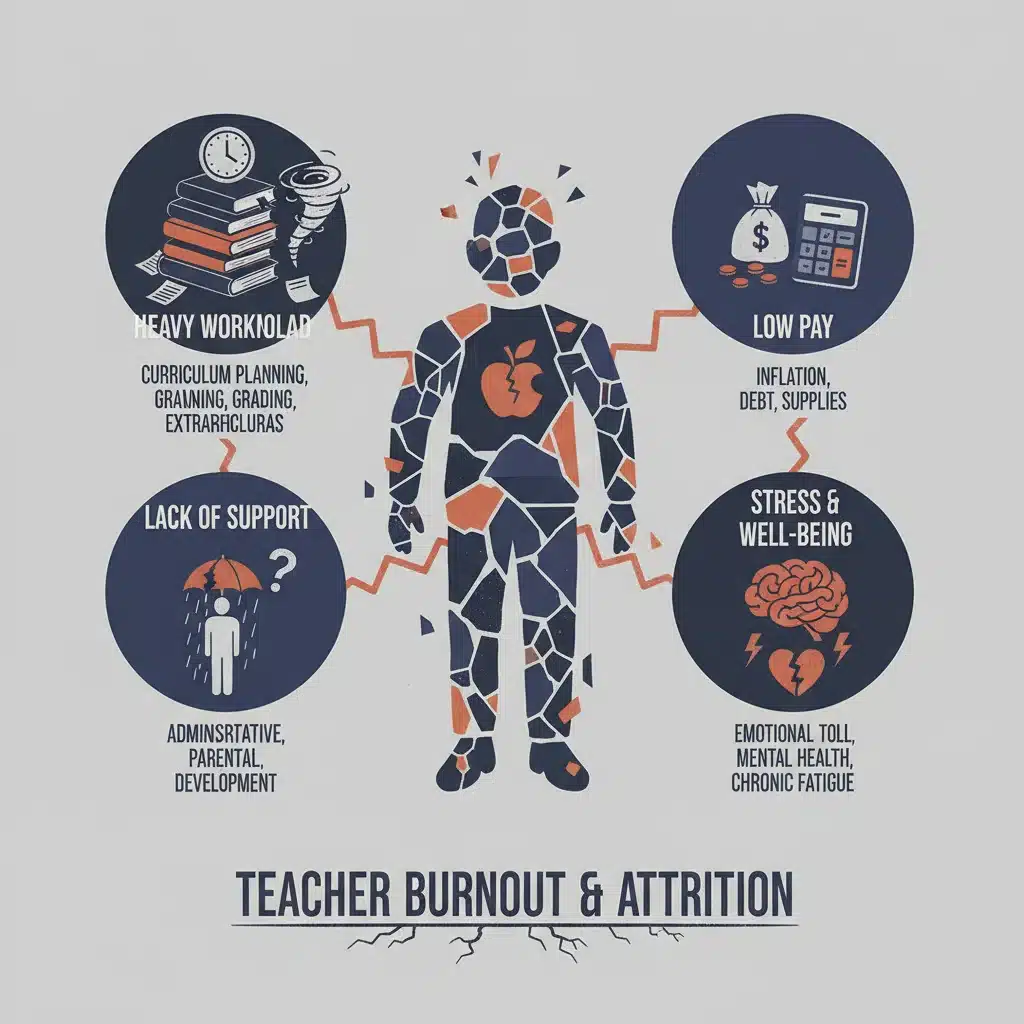
Even among those who do enter the profession, a substantial number leave within the first few years. High attrition rates, particularly among early-career teachers, significantly exacerbate the 2026 teacher shortage. Factors contributing to teacher burnout and attrition include:
- Heavy Workload and Long Hours: Teachers often juggle demanding schedules, including lesson planning, grading, extracurricular activities, and administrative tasks, often extending beyond the traditional school day.
- Inadequate Support Systems: Many new teachers report feeling isolated and lacking sufficient mentorship or professional development opportunities, leading to feelings of being overwhelmed.
- Lack of Autonomy and Bureaucracy: Increasing standardization, testing pressures, and rigid curricula can stifle creativity and reduce teachers’ sense of professional agency.
- Challenging Classroom Environments: Dealing with diverse student needs, behavioral issues, and often overcrowded classrooms can be emotionally and mentally taxing.
- Insufficient Compensation: For many, the financial rewards of teaching do not adequately reflect the extensive education, training, and emotional labor required, making it difficult to attract and retain talent, especially in high-cost-of-living areas.
Aging Workforce and Retirements
A significant portion of the current teaching workforce is nearing retirement age. As experienced educators leave the profession, there aren’t enough new teachers entering the pipeline to replace them, creating a demographic gap that directly contributes to the 2026 teacher shortage. The loss of veteran teachers also means a loss of invaluable institutional knowledge, mentorship capabilities, and stability within school communities.
Geographic and Subject-Specific Shortages
The teacher shortage is not uniform. Certain geographic areas, particularly rural and inner-city districts, struggle more than others to attract and retain teachers. Furthermore, specific subject areas, such as special education, STEM (Science, Technology, Engineering, and Mathematics), and foreign languages, consistently face more severe shortages. These specialized fields require specific expertise, and the pool of qualified candidates is often smaller, intensifying the challenge for schools needing to fill these critical roles.
Societal Perceptions and Professional Stigma
Unfortunately, the teaching profession sometimes suffers from a societal perception that undervalues its critical role. Negative media portrayals, political rhetoric that criticizes educators, and a general lack of public appreciation can deter potential candidates. This professional stigma, combined with the other challenges, makes it harder to attract bright, passionate individuals into a career that is fundamental to societal progress.
Addressing the 2026 teacher shortage requires a holistic understanding of these interconnected issues and a commitment to tackling each one systematically. Ignoring any single factor will likely undermine the effectiveness of broader solutions.
The Far-Reaching Impacts of the 2026 Teacher Shortage
The consequences of a widespread 2026 teacher shortage are profound and extend far beyond the immediate challenges faced by school administrators. These impacts can ripple through communities, affecting students, families, and the broader economy. Understanding these repercussions underscores the urgency of proactive intervention.
Declining Quality of Education
Perhaps the most direct and concerning impact is on the quality of education. When schools struggle to find qualified teachers, they may resort to hiring underqualified individuals, increasing class sizes, or assigning teachers to subjects outside their expertise. This inevitably leads to a diluted educational experience for students, potentially affecting academic outcomes, critical thinking skills, and overall preparedness for higher education or the workforce. The 2026 teacher shortage could mean a generation of students receiving a suboptimal education.
Increased Workload and Stress for Existing Teachers
Existing teachers often bear the brunt of staff shortages. They may be asked to take on additional classes, larger student loads, or extra administrative duties to compensate for absent colleagues. This increased workload can lead to heightened stress, accelerated burnout, and further attrition, creating a vicious cycle that deepens the 2026 teacher shortage. A stressed and overworked teaching force is less effective and less likely to innovate or engage deeply with students.
Reduced Educational Equity
The teacher shortage disproportionately affects schools in low-income areas and those serving minority populations. These schools often struggle to attract and retain highly qualified teachers even in normal circumstances. A deepening 2026 teacher shortage would exacerbate these inequities, widening the achievement gap between privileged and underserved students. This perpetuates cycles of disadvantage and limits opportunities for those who need quality education the most.
Fewer Specialized Programs and Electives
When schools are scrambling to fill core subject positions, specialized programs and electives are often the first to be cut. This means fewer opportunities for students to explore interests in arts, music, advanced sciences, or vocational training. A lack of diverse educational offerings can limit student engagement, reduce the development of critical skills, and restrict pathways to future careers, directly impacting the holistic development of students.
Economic and Societal Repercussions
In the long term, a sustained 2026 teacher shortage can have significant economic and societal repercussions. A less-educated populace can lead to a less competitive workforce, reduced innovation, and slower economic growth. Furthermore, educated citizens are often more engaged in civic life, contributing to stronger communities and a more robust democracy. The decline in educational quality due to teacher shortages can undermine these foundational societal pillars.
Impact on Student Well-being and Mental Health
Beyond academics, teacher shortages can negatively impact student well-being and mental health. A stable and supportive teacher-student relationship is crucial for a child’s emotional development. Frequent teacher turnover or the presence of less-experienced teachers can disrupt this stability, leading to feelings of insecurity and a lack of consistent support for students, particularly those facing personal challenges.
The looming 2026 teacher shortage is not just an educational crisis; it is a societal challenge that demands immediate and strategic action. Recognizing the breadth of its potential impacts is crucial for motivating the comprehensive reforms needed to avert this crisis.
Innovative Recruitment Strategies to Combat the 2026 Teacher Shortage
Addressing the 2026 teacher shortage requires more than just traditional recruitment methods. Educational institutions and policymakers must embrace innovative and proactive strategies to attract a new generation of diverse and talented individuals into the teaching profession. The focus must be on making teaching an appealing and viable career option for a wider demographic.
Targeted Recruitment Campaigns and Marketing
Gone are the days when teaching jobs simply posted themselves. Schools and districts need to launch sophisticated, targeted recruitment campaigns that highlight the positive aspects of teaching. This includes:
- Showcasing Impact: Emphasizing the profound impact teachers have on students’ lives and communities.
- Digital Marketing: Utilizing social media, educational blogs, and online platforms to reach potential candidates where they are.
- Highlighting Diversity: Actively recruiting individuals from diverse backgrounds to better reflect student populations and provide varied perspectives.
- Career Fairs and Partnerships: Engaging with universities, community colleges, and even high schools to present teaching as a first-choice career.
These campaigns should aim to shift public perception and highlight the professional growth, intellectual stimulation, and deep satisfaction that teaching offers.
Alternative Certification Pathways
Traditional four-year education degrees are not the only route to becoming a teacher. To broaden the talent pool, states and districts should expand and promote alternative certification pathways. These programs can attract:
- Career Changers: Professionals from other fields who bring valuable real-world experience.
- Recent Graduates: Individuals with bachelor’s degrees in specific subjects who can quickly transition into teaching roles with focused pedagogical training.
- Community Members: Paraprofessionals or other community members who already have strong ties to local schools.
These pathways must maintain rigorous standards to ensure quality while offering flexibility and support, such as paid internships or apprenticeships, to make the transition financially viable.
Financial Incentives and Scholarships
Addressing the financial disincentives of teaching is crucial for combating the 2026 teacher shortage. Strategies include:
- Loan Forgiveness Programs: Offering loan forgiveness for teachers who commit to working in high-need schools or subject areas for a specified period.
- Scholarships and Grants: Providing financial aid specifically for students pursuing teaching degrees, especially in shortage areas like STEM or special education.
- Stipends for Student Teachers: Offering stipends to student teachers to alleviate financial burdens during their unpaid practical experience.
- Housing Assistance: In high-cost-of-living areas, exploring options for affordable housing or subsidies for educators.
These incentives can significantly reduce barriers to entry and make teaching a more attractive option.
Grow Your Own Programs
Many communities are implementing ‘Grow Your Own’ programs, which identify promising local high school students or community members and provide them with support and pathways to become teachers in their home districts. These programs often involve:
- Early College Programs: Allowing high school students to earn college credits toward an education degree.
- Mentorship: Pairing aspiring teachers with experienced educators.
- Financial Support: Offering scholarships or tuition assistance.
These initiatives foster a sense of loyalty and community investment, making it more likely that these individuals will return to teach in their local schools, directly addressing the 2026 teacher shortage from within the community.
International Recruitment and Visa Support
In regions facing severe shortages, international recruitment can be a viable short-term solution. By establishing partnerships with educational institutions abroad and streamlining visa processes, countries can attract qualified teachers from other nations. This strategy not only fills immediate gaps but can also bring diverse perspectives and cultural richness to classrooms, enriching the learning experience for students.
Streamlining the Application and Hiring Process
An overly complicated or lengthy application process can deter potential candidates. Schools and districts should review and streamline their hiring procedures, making them efficient, transparent, and user-friendly. This includes utilizing online platforms, offering timely feedback, and providing clear communication throughout the recruitment journey.
By implementing a combination of these innovative recruitment strategies, educational systems can cast a wider net, attract a more diverse pool of candidates, and begin to effectively mitigate the impact of the 2026 teacher shortage.
Effective Retention Strategies for a Sustainable Teaching Workforce
Recruitment is only one side of the coin; retaining skilled and experienced teachers is equally, if not more, critical to overcoming the 2026 teacher shortage. High teacher attrition rates negate recruitment efforts, creating a revolving door that destabilizes schools. Effective retention strategies focus on improving the working conditions, professional development, and overall job satisfaction of educators.
Competitive Compensation and Benefits
One of the most direct ways to improve teacher retention is to offer competitive salaries and comprehensive benefits packages. This includes:
- Salary Increases: Ensuring teacher salaries are competitive with other professions requiring similar education and responsibilities.
- Performance-Based Pay: Implementing fair and transparent systems that reward effective teaching and extra responsibilities.
- Health and Retirement Benefits: Providing robust health insurance, retirement plans, and other benefits that offer financial security.
- Cost-of-Living Adjustments: Adjusting salaries to reflect the cost of living in different regions, particularly in expensive urban areas, to prevent teachers from leaving due to financial strain.
Addressing compensation directly impacts a teacher’s ability to live comfortably and reduces the financial pressure that often leads to attrition, directly combating the 2026 teacher shortage.
Robust Mentorship and Support Programs
New teachers, especially, benefit immensely from strong mentorship programs. Pairing novice educators with experienced, effective mentors can provide crucial guidance, emotional support, and practical advice during the challenging early years. These programs should include:
- Structured Mentorship: Formal programs with dedicated time for mentors and mentees to meet and collaborate.
- Peer Networks: Creating opportunities for new teachers to connect with and learn from their peers.
- Instructional Coaching: Providing targeted feedback and support to help teachers refine their pedagogical skills.
Such support systems can significantly reduce the likelihood of early-career teachers leaving the profession.
Professional Development and Growth Opportunities
Teachers are lifelong learners. Providing high-quality, relevant professional development opportunities demonstrates an investment in their growth and can enhance job satisfaction. This includes:
- Continuous Learning: Access to workshops, conferences, and courses that help teachers stay current with best practices and new technologies.
- Leadership Pathways: Creating opportunities for teachers to take on leadership roles, such as department head, instructional coach, or curriculum developer, without necessarily leaving the classroom.
- Advanced Degree Support: Offering tuition reimbursement or subsidies for teachers pursuing master’s or doctoral degrees.
When teachers feel valued and see pathways for advancement, they are more likely to commit to the profession long-term, mitigating the 2026 teacher shortage.
Improving Working Conditions and School Culture
A positive and supportive school environment is paramount for teacher retention. This involves:
- Reasonable Workload: Ensuring manageable class sizes and equitable distribution of non-teaching duties.
- Administrative Support: Providing strong, supportive leadership that values teacher input and addresses concerns proactively.
- Positive School Climate: Fostering a culture of respect, collaboration, and psychological safety for both staff and students.
- Autonomy and Voice: Giving teachers a voice in decision-making processes that affect their classrooms and schools.
- Access to Resources: Ensuring teachers have the necessary materials, technology, and support staff (e.g., teaching assistants, counselors) to do their jobs effectively.
Addressing these factors can significantly reduce stress and improve job satisfaction, making teaching a more sustainable career.
Prioritizing Teacher Well-being and Mental Health
The emotional demands of teaching are immense. Schools must prioritize teacher well-being and mental health by:
- Wellness Programs: Offering resources like mindfulness training, stress management workshops, and access to mental health services.
- Work-Life Balance Initiatives: Encouraging healthy boundaries between work and personal life and minimizing after-hours demands.
- Breaks and Self-Care: Ensuring teachers have adequate breaks during the day and promoting self-care practices.
A focus on holistic well-being can prevent burnout and ensure teachers remain healthy and engaged in their profession, crucial for tackling the 2026 teacher shortage.
By implementing a combination of these retention strategies, educational systems can create environments where teachers feel valued, supported, and empowered, ensuring a stable and high-quality teaching workforce well beyond 2026.
Policy and Systemic Changes to Address the 2026 Teacher Shortage
While recruitment and retention strategies are vital at the school and district level, a truly sustainable solution to the 2026 teacher shortage requires significant policy and systemic changes at state and national levels. These changes must address the fundamental structures that influence the teaching profession, from funding to public perception.
Increased Funding for Education
At the core of many challenges facing education is inadequate funding. Governments must prioritize increased and equitable funding for public education. This additional funding can be allocated to:
- Higher Teacher Salaries: Directly addressing the compensation issue that drives many away from the profession.
- Reduced Class Sizes: Improving working conditions for teachers and learning environments for students.
- Support Staff: Hiring more counselors, nurses, and paraprofessionals to alleviate teacher workload.
- Resources and Technology: Providing modern tools and learning materials essential for effective teaching in the 21st century.
Sufficient funding is the bedrock upon which many other solutions for the 2026 teacher shortage can be built.
Reforming Teacher Preparation and Licensure
State departments of education and universities must collaborate to reform teacher preparation and licensure processes. This includes:
- Evidence-Based Programs: Ensuring teacher education programs are grounded in research and provide practical, effective pedagogical skills.
- Streamlined Licensure: Making licensure processes more efficient and reciprocal across states to allow for easier movement of qualified teachers.
- Focus on Shortage Areas: Creating incentives and specialized tracks within preparation programs for subjects and regions with critical teacher shortages.
- Residency Models: Promoting year-long, paid teaching residencies that provide extensive practical experience and mentorship before full certification.
These reforms can ensure a steady supply of well-prepared educators ready to tackle the challenges of the classroom.
Elevating the Status of the Teaching Profession
Policymakers, community leaders, and the media all have a role to play in elevating the status and public perception of the teaching profession. This can involve:
- Public Awareness Campaigns: Highlighting the critical importance of teachers and celebrating their achievements.
- Policy Advocacy: Championing policies that demonstrate respect for educators, such as competitive salaries and manageable workloads.
- Teacher Recognition: Establishing national and local awards and recognition programs that celebrate excellence in teaching.
Changing the narrative around teaching is crucial for attracting the best and brightest to the profession and addressing the 2026 teacher shortage.

Data-Driven Policy Making
Effective policy requires accurate data. Governments need to invest in robust data collection and analysis systems to track teacher supply and demand, attrition rates, and the effectiveness of various interventions. This data can inform targeted policy decisions, ensuring that resources are allocated where they are most needed and that strategies are evidence-based. Understanding the nuances of the 2026 teacher shortage through data is paramount.
Collaboration Between Stakeholders
Addressing a challenge as complex as the 2026 teacher shortage requires unprecedented collaboration among all stakeholders:
- Government Agencies: State and federal education departments working together.
- Higher Education Institutions: Universities and colleges partnering with K-12 schools.
- School Districts: Sharing best practices and resources.
- Community Organizations and Businesses: Providing support, funding, and advocacy.
- Teacher Unions and Professional Associations: Representing teachers’ voices and collaborating on solutions.
A unified approach, with shared goals and responsibilities, is essential for creating lasting change and building a resilient teaching workforce.
Flexible Teaching Models
Exploring and implementing more flexible teaching models can also help. This could include:
- Part-time and Job-Sharing Options: Attracting individuals who may not be able to commit to full-time roles due to family responsibilities or other commitments.
- Remote Teaching Opportunities: For specific subjects or in geographically isolated areas, leveraging technology to allow teachers to work remotely, expanding the talent pool.
- Hybrid Roles: Combining teaching with other school responsibilities to create diverse career paths.
These flexible models can tap into underutilized talent pools and make the profession more accessible and appealing.
Implementing these systemic and policy changes will require political will, sustained investment, and a long-term vision. However, without these foundational shifts, efforts at the school level to combat the 2026 teacher shortage will remain insufficient to fully address the scale of the challenge.
Conclusion: Building a Resilient Future for Education Beyond 2026
The impending 2026 teacher shortage is a critical challenge that demands immediate and comprehensive attention from all levels of society. It is not merely a statistical projection but a warning sign for the future of our educational systems and, by extension, our communities and economies. The root causes are deeply embedded, stemming from declining interest in the profession, high attrition rates, an aging workforce, and a lack of systemic support and investment. The impacts, if left unaddressed, could lead to a significant decline in educational quality, exacerbated inequities, and a less prepared future generation.
However, the narrative is not one of despair but of opportunity. By understanding the complexities of the 2026 teacher shortage, we can implement proactive and innovative strategies. A multi-pronged approach encompassing robust recruitment, effective retention, and transformative policy changes is essential. Recruitment efforts must be creative and targeted, leveraging alternative pathways, financial incentives, and ‘Grow Your Own’ programs to attract a diverse pool of talented individuals. Simultaneously, retention strategies must focus on creating supportive, professionally enriching, and financially rewarding environments for existing educators, addressing issues of compensation, workload, professional development, and well-being.
Ultimately, overcoming the 2026 teacher shortage requires a fundamental shift in how we value and support our educators. It calls for increased and equitable funding for education, streamlined and effective teacher preparation programs, and a collective societal effort to elevate the status of the teaching profession. Collaboration among government agencies, higher education institutions, school districts, communities, and professional organizations is paramount. Through data-driven policy-making and a willingness to explore flexible and innovative teaching models, we can build a more resilient and sustainable teaching workforce.
The future of education hinges on our ability to attract, train, and retain a high-quality teaching force. By investing in our teachers today, we are investing in the intellectual capital, social cohesion, and economic prosperity of tomorrow. The time to act is now, to ensure that the challenges of the 2026 teacher shortage are met with decisive action, transforming a potential crisis into an opportunity for educational renewal and excellence for all students.