Energy Bill Relief 2026: LIHEAP & State-Specific Assistance Updates

Energy Bill Relief 2026: Navigating LIHEAP and State-Specific Assistance Programs
As we move further into 2026, the challenge of managing household expenses, particularly energy bills, remains a significant concern for many families across the United States. Fluctuations in energy prices, coupled with economic shifts, can place immense pressure on budgets, making it difficult for individuals and families to afford essential heating and cooling. Fortunately, a robust network of programs exists to provide much-needed energy bill relief. This comprehensive guide will delve into the critical updates for 2026 regarding the Low Income Home Energy Assistance Program (LIHEAP) and various state-specific assistance initiatives, ensuring you have the most current information to access the support you need.
Understanding the landscape of energy assistance can be complex, with federal guidelines intersecting with state-specific regulations and local program variations. Our aim is to demystify this process, providing clear, actionable insights into how these programs operate, who is eligible, and what steps you can take to secure energy bill relief. We will explore the nuances of LIHEAP, its funding, and how its implementation may evolve in the coming year. Beyond federal provisions, we’ll also shine a light on innovative and impactful state-level programs that offer additional layers of support, from direct financial aid to energy efficiency upgrades.
The Cornerstone of Energy Assistance: LIHEAP in 2026
The Low Income Home Energy Assistance Program (LIHEAP) continues to be the primary federal program offering energy bill relief to low-income households. Administered by the U.S. Department of Health and Human Services (HHS), LIHEAP provides financial assistance to help eligible families with their heating and cooling costs, preventing utility shut-offs, and addressing energy-related crises. For 2026, while the core mission of LIHEAP remains unchanged, it’s crucial to understand any potential adjustments in funding, eligibility criteria, and application processes that might impact your ability to receive aid.
Typically, LIHEAP funds are allocated to states, territories, and tribal organizations, which then distribute the assistance based on local needs and priorities. This decentralized approach means that while LIHEAP is a federal program, the specific rules and availability of funds can vary significantly from one state to another. Therefore, staying informed about your state’s particular LIHEAP guidelines for 2026 is paramount for effective energy bill relief.
Key Aspects of LIHEAP for 2026: What to Expect
- Funding Levels: The appropriation for LIHEAP is determined annually by Congress. While specific figures for 2026 are subject to legislative processes, advocates consistently push for robust funding to meet the growing demand for energy bill relief. Any shifts in funding can impact the number of households served and the average benefit amount.
- Eligibility Criteria: Generally, eligibility for LIHEAP is based on household income relative to the federal poverty level or state median income. These thresholds can be adjusted, and states often have their own income limits, which are usually a percentage of either the federal poverty guidelines or the state median income. It’s vital to check your state’s specific income requirements for 2026.
- Types of Assistance: LIHEAP typically offers several types of assistance:
- Heating Assistance: Helps with the cost of home heating.
- Cooling Assistance: Provides aid for air conditioning costs, especially critical in warmer climates.
- Energy Crisis Assistance: Offers immediate help for households facing utility shut-offs or needing to restore services.
- Weatherization and Energy-Related Home Repairs: Some LIHEAP funds can be used for minor energy-related home repairs or weatherization services that reduce energy consumption and thus the need for future energy bill relief.
- Application Periods: Application periods for LIHEAP can vary by state and even by the type of assistance. Some states have specific application windows for heating assistance (typically fall/winter) and cooling assistance (typically spring/summer). It’s crucial to be aware of these deadlines to avoid missing out on potential aid.
To maximize your chances of receiving energy bill relief through LIHEAP, it is recommended to gather all necessary documentation in advance. This typically includes proof of income, household size, and utility bills. Contacting your state’s LIHEAP office or local community action agency early in the season is always a good strategy.
State-Specific Energy Assistance Programs: Beyond LIHEAP
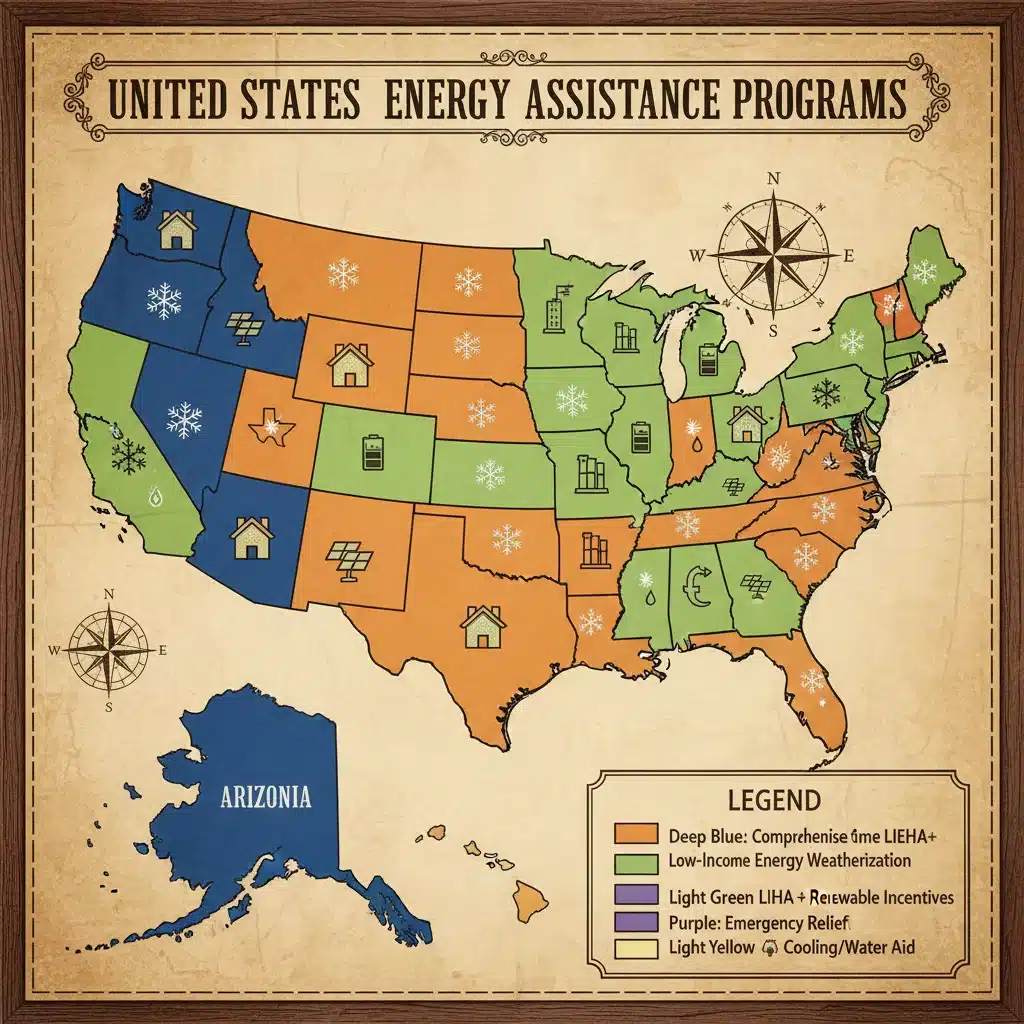
While LIHEAP provides a federal backbone for energy bill relief, many states and utility companies offer their own supplementary or alternative programs. These state-specific initiatives often fill gaps, provide additional support, or cater to unique regional needs. Exploring these programs can significantly enhance your access to financial aid for energy costs. The landscape of state-specific programs is incredibly diverse, reflecting varied state budgets, energy policies, and demographics.
These programs can range from direct financial aid funded by state taxes or utility surcharges to innovative partnerships with non-profit organizations. Understanding what’s available in your specific state is crucial for a comprehensive approach to securing energy bill relief.
Examples of State-Specific Initiatives for Energy Bill Relief
Here are some common types of state-specific programs you might encounter:
- State-Funded Energy Assistance Programs: Many states allocate their own funds to create energy assistance programs that mirror or complement LIHEAP. These programs might have different eligibility requirements or offer higher benefit amounts. For instance, some states might have specific programs for senior citizens, individuals with disabilities, or families with young children, recognizing their particular vulnerabilities to energy costs.
- Utility Company Programs: Most utility providers (electric, gas, and even some water companies) offer their own assistance programs. These can include:
- Arrearage Management Programs (AMPs): Designed to help customers with significant past-due balances. These programs often involve a payment plan where a portion of the arrearage is forgiven for every on-time payment made on current bills.
- Discount Rates/Budget Billing: Some utilities offer discounted rates for low-income customers or budget billing plans that average out energy costs over the year, making monthly payments more predictable and manageable.
- Hardship Funds: Many utilities partner with non-profits to create hardship funds, often supported by customer donations, to provide one-time assistance to those facing immediate energy crises.
- Energy Efficiency Programs: Utilities frequently offer free or low-cost energy audits, weatherization services, and appliance upgrade programs to help customers reduce their overall energy consumption, thereby lowering their long-term energy bill relief needs.
- Emergency Rental Assistance Programs (ERAP): While primarily focused on rent, some ERAP funds can be used to cover utility arrears or current utility bills, especially when they are part of a housing crisis. It’s worth investigating if your state’s ERAP program includes utility assistance components.
- Renewable Energy Incentives: While not direct bill relief, some states offer incentives for installing solar panels or other renewable energy sources, which can lead to significant long-term savings on energy bills.
To find specific programs in your state, start by checking your state’s Department of Social Services, Public Utilities Commission, or a dedicated energy assistance website. Your local utility company’s website is also an excellent resource for their specific offerings.
How to Apply for Energy Bill Relief in 2026: A Step-by-Step Guide
Navigating the application process for energy bill relief can seem daunting, but with a clear understanding of the steps involved, it becomes much more manageable. The key is preparation and timely action. While specific requirements may vary, the general process for applying for LIHEAP and many state-specific programs follows a similar pattern.
1. Determine Eligibility
Before you even begin the application, it’s crucial to determine if you meet the basic eligibility criteria. For LIHEAP, this primarily revolves around income thresholds, which are usually a percentage of the federal poverty level or your state’s median income. Check your state’s LIHEAP website or contact your local energy assistance office for precise income guidelines for 2026. For state-specific programs, eligibility might also include factors like household size, specific vulnerabilities (e.g., elderly, disabled, young children), or a demonstrated energy crisis.
2. Gather Necessary Documentation
This is perhaps the most critical step. Having all your documents ready can significantly expedite the application process. Common documents required include:
- Proof of Income: Pay stubs, Social Security benefit letters, unemployment benefit statements, or tax returns for all household members.
- Proof of Residency: A utility bill, lease agreement, or driver’s license.
- Household Information: Names, birthdates, and Social Security numbers for all household members.
- Utility Bills: Recent copies of your heating and/or cooling bills, including account numbers. If you receive heat included in your rent, you might need a statement from your landlord.
- Proof of Crisis (if applicable): If you are applying for emergency assistance, you may need a shut-off notice or a notice of depleted fuel.
3. Locate Your Local Administering Agency
LIHEAP is administered at the state and local levels. You can typically find your local LIHEAP office or community action agency by visiting the HHS LIHEAP website or your state’s energy assistance portal. These local agencies are your primary point of contact for applications, questions, and support regarding energy bill relief.
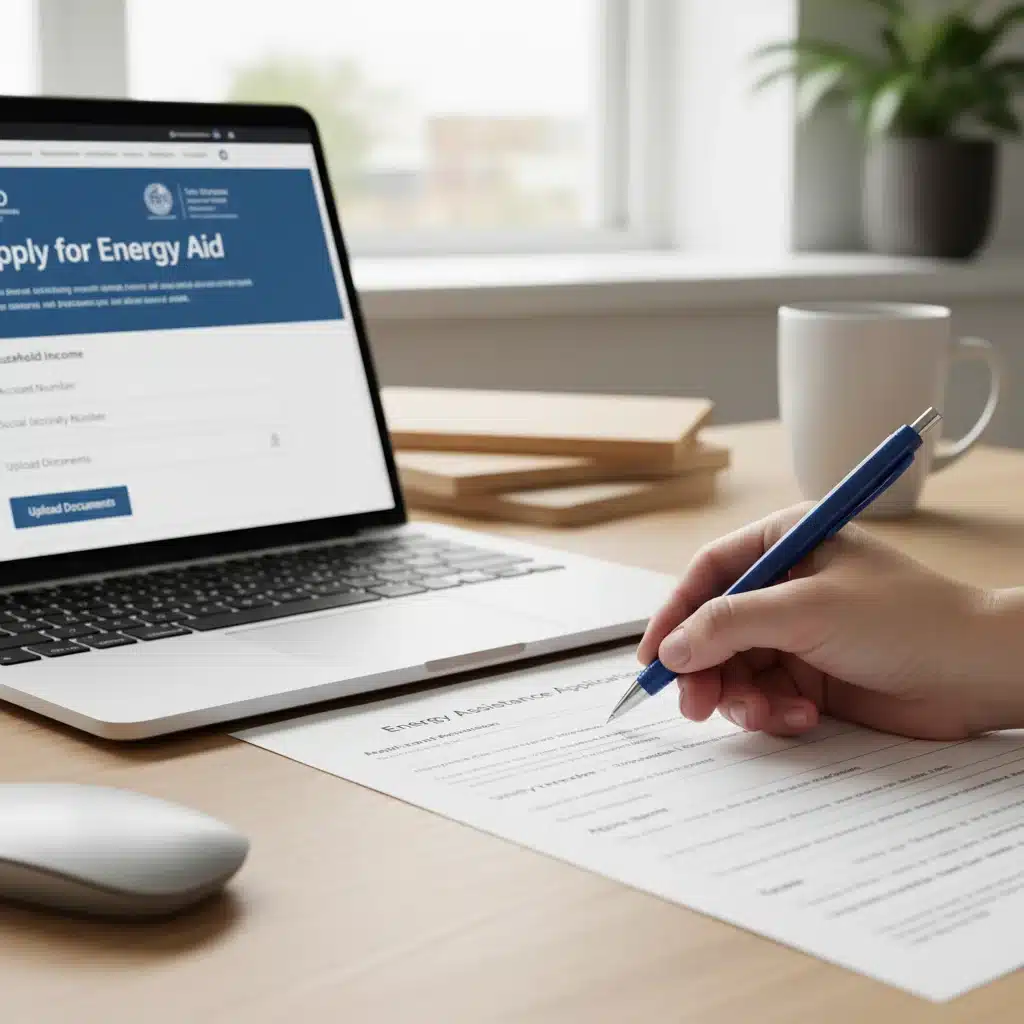
4. Submit Your Application
Applications can often be submitted online, by mail, or in person. Many agencies prefer online applications for efficiency. Be sure to fill out all sections completely and accurately to avoid delays. If you need assistance with the application itself, don’t hesitate to ask the local agency for help.
5. Follow Up
After submitting your application, keep a record of your submission date and any confirmation numbers. It’s a good practice to follow up with the agency within a few weeks to check on the status of your application. Patience is key, as processing times can vary, especially during peak seasons.
Maximizing Your Energy Bill Relief: Beyond Direct Aid
While direct financial assistance is invaluable, a holistic approach to energy bill relief also involves adopting strategies to reduce your overall energy consumption. Lowering your energy usage not only decreases your monthly bills but also extends the impact of any assistance you receive. Many state and local programs, alongside utility companies, offer resources to help households become more energy efficient.
Energy Efficiency Programs and Weatherization
Many LIHEAP programs allocate a portion of their funds to weatherization services. These services are designed to make your home more energy-efficient, thereby reducing your heating and cooling costs in the long run. Common weatherization measures include:
- Insulation: Improving insulation in walls, attics, and crawl spaces.
- Sealing Leaks: Caulking and weather-stripping around windows and doors to prevent drafts.
- Duct Sealing: Sealing leaks in heating and cooling ducts.
- Heating System Repair/Replacement: Repairing or replacing inefficient heating systems.
- Window and Door Repair/Replacement: Replacing old, inefficient windows and doors.
Beyond LIHEAP, many state energy offices and utility companies offer their own weatherization programs, often free or at a reduced cost for eligible low-income households. These programs represent a proactive approach to energy bill relief, addressing the root cause of high bills rather than just providing temporary fixes.
Energy Saving Tips for Every Household
Even without formal weatherization, there are numerous simple steps you can take to reduce your energy consumption:
- Adjust Thermostat Settings: Lower your thermostat in winter and raise it in summer when you’re away or asleep. A programmable thermostat can automate this.
- Seal Drafts: Use inexpensive weather-stripping or caulk to seal gaps around windows and doors.
- Unplug Electronics: “Vampire load” or standby power can account for a significant portion of your energy bill. Unplug electronics when not in use.
- Use Energy-Efficient Lighting: Switch to LED bulbs, which use significantly less energy and last longer.
- Maintain HVAC Systems: Regularly change air filters and schedule professional maintenance for your heating and cooling systems.
- Wash Clothes in Cold Water: Heating water accounts for a large portion of energy use.
- Utilize Natural Light and Ventilation: Open curtains during the day to let in sunlight for warmth, and open windows at night for natural cooling when appropriate.
\
\
\
\
\
Looking Ahead: The Future of Energy Bill Relief
The landscape of energy bill relief is constantly evolving. As energy markets shift, climate concerns grow, and economic conditions change, federal and state governments, along with utility providers, continually assess and adapt their assistance programs. For 2026 and beyond, several trends are likely to shape the future of energy assistance:
- Increased Focus on Energy Efficiency: There’s a growing recognition that true long-term energy bill relief comes from reducing consumption. Expect to see more emphasis on and funding for weatherization, appliance upgrades, and energy education programs.
- Integration of Renewable Energy: As renewable energy becomes more accessible, programs might emerge that help low-income households access solar power or other clean energy solutions, potentially offering significant long-term savings.
- Digitalization of Applications: The move towards online applications and digital portals will likely continue, making it easier for eligible households to apply for aid, though ensuring equitable access for those without internet will remain a challenge.
- Targeted Assistance for Vulnerable Populations: Programs may become even more tailored to specific vulnerable groups, such as the elderly, individuals with chronic health conditions, or families with young children, who are particularly susceptible to extreme temperatures.
- Broader Collaboration: Expect to see more collaboration between federal, state, and local agencies, as well as non-profits and utility companies, to create more seamless and comprehensive systems for delivering energy bill relief.
\
\
\
\
\
Staying informed about these developments will be key to effectively leveraging all available resources for energy bill relief. Regularly checking official government websites, subscribing to newsletters from local community action agencies, and maintaining contact with your utility provider can ensure you are always up-to-date.
Conclusion: Securing Your Energy Future in 2026
Navigating the complexities of energy costs is a persistent challenge for many households. However, the array of programs designed to provide energy bill relief, from the federal LIHEAP initiative to diverse state-specific and utility company offerings, represents a vital safety net. By understanding the updates for 2026, knowing where to find assistance, and proactively adopting energy-saving measures, you can significantly mitigate the burden of high energy bills.
Remember, help is available. Don’t hesitate to reach out to your local LIHEAP office, state energy assistance programs, or your utility provider to explore the options best suited for your household. Taking these steps not only provides immediate financial relief but also contributes to a more secure and sustainable energy future for you and your family. Stay proactive, stay informed, and secure the energy bill relief you deserve in 2026.
Author