Boosting Early Childhood Literacy in 2026: 5 Proven Techniques for Parents and Educators
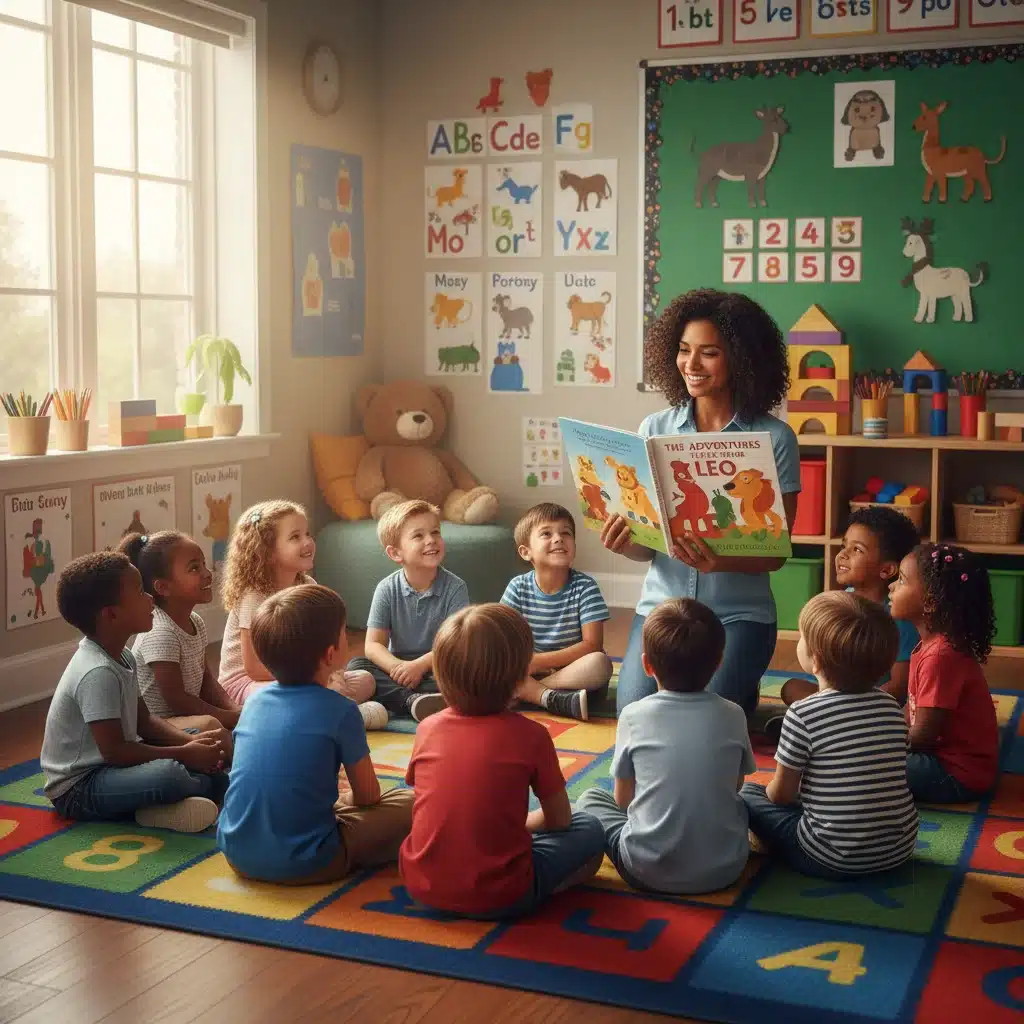
Boosting Early Childhood Literacy in 2026: 5 Proven Techniques for Parents and Educators
Published:
In an increasingly digital world, the foundational skill of reading remains paramount. For young minds, developing strong early childhood literacy skills is not just about learning to read words; it’s about unlocking a universe of knowledge, fostering critical thinking, and nurturing a lifelong love of learning. As we look towards 2026, the strategies for cultivating these essential skills continue to evolve, blending timeless principles with modern insights. This comprehensive guide will delve into five proven techniques that parents and educators can implement today to significantly boost early childhood literacy, ensuring our youngest learners are well-equipped for future success.
The Crucial Role of Early Childhood Literacy
Before diving into specific techniques, it’s vital to understand why early childhood literacy is such a critical area of focus. Research consistently shows that children who develop strong literacy skills early on are more likely to succeed academically, exhibit higher self-esteem, and engage more effectively in society. Literacy encompasses a broad range of skills, including phonological awareness, phonics, vocabulary, comprehension, and fluency. It’s the bedrock upon which all other learning is built. Without a solid foundation in literacy, children may struggle across various subjects, leading to academic frustration and potentially disengagement from schooling.
The period from birth to age eight is a critical window for language and literacy development. During these formative years, children’s brains are rapidly developing, making them highly receptive to language input and early learning experiences. Exposure to rich language environments, engaging stories, and print materials directly contributes to their cognitive development and prepares them for formal schooling. Therefore, investing time and effort into boosting early childhood literacy is perhaps one of the most impactful investments we can make in a child’s future.
Moreover, the benefits extend beyond academic achievement. Strong literacy skills are linked to improved problem-solving abilities, enhanced creativity, and better communication skills. In a world saturated with information, the ability to read, understand, and critically evaluate text is more important than ever. By focusing on early childhood literacy, we are not just teaching children to read; we are empowering them to become independent thinkers and lifelong learners.
Technique 1: Cultivating a Print-Rich Environment
One of the most effective ways to foster early childhood literacy is by immersing children in a print-rich environment. This means making books, magazines, labels, and other forms of print readily accessible and visible in their daily lives. For parents, this could involve creating a dedicated reading nook at home, placing books on low shelves where children can easily reach them, and labeling household items. For educators, a print-rich classroom includes word walls, labeled centers, classroom libraries, and charts that display rules, schedules, and learning objectives.
Making Print Visible and Engaging
The key is not just to have print present, but to make it engaging and meaningful. When children see words all around them, they begin to understand that print carries meaning and is used for various purposes. This incidental learning is incredibly powerful. For instance, labeling toy bins with both words and pictures helps children connect the written word to the object. Reading food labels at the grocery store or street signs during a walk turns everyday activities into literacy learning opportunities.
In an educational setting, a print-rich environment goes a step further. Teachers can create interactive word walls where new vocabulary is added regularly, or use environmental print (logos, signs from familiar places) to spark discussions about letters and words. The goal is to make print a natural and integrated part of a child’s world, demonstrating its utility and importance in a fun, non-pressured way. This consistent exposure builds familiarity and curiosity, which are foundational to developing strong early childhood literacy skills.
Practical Tips for a Print-Rich Environment:
- Home Library/Reading Nook: Dedicate a comfortable space with a variety of age-appropriate books.
- Labels Everywhere: Label objects around the house or classroom (e.g., ‘door’, ‘chair’, ‘toys’).
- Environmental Print: Point out words on cereal boxes, street signs, store names, etc.
- Magazines & Newspapers: Keep children’s magazines and even adult newspapers accessible for browsing.
- Writing Materials: Ensure crayons, markers, paper, and notebooks are readily available for drawing and early writing attempts.
Technique 2: Engaging in Dialogic Reading
Dialogic reading is a highly effective technique where the adult and child switch roles during story time. Instead of the adult just reading, the child becomes the storyteller, and the adult acts as an active listener, asking questions, prompting, and expanding on the child’s responses. This method is particularly potent for boosting early childhood literacy because it actively involves the child in the narrative, enhancing vocabulary, comprehension, and expressive language skills.
How Dialogic Reading Works (CROWD & PEER)
A popular framework for dialogic reading uses the acronyms CROWD and PEER.
- Completion: “Humpty Dumpty sat on a ______.”
- Recall: “What happened to the little bear?”
- Open-ended: “What do you think will happen next?”
- Wh- questions: “Where is the puppy hiding?”
- Distancing: “Does this remind you of anything you’ve seen?”
- PEER sequence:
- Prompt the child to say something about the book.
- Evaluate the child’s response.
- Expand on the child’s response.
- Repeat the prompt to ensure understanding.

By regularly engaging in dialogic reading, parents and educators transform passive listening into an active, interactive learning experience. This approach not only builds vocabulary and narrative skills but also teaches children how to think critically about stories, make predictions, and connect text to their own experiences. It’s a powerful tool for accelerating early childhood literacy development.
Benefits of Dialogic Reading:
- Enhanced Vocabulary: Children encounter and discuss new words in context.
- Improved Comprehension: Asking questions helps children understand the story’s plot, characters, and themes.
- Stronger Expressive Language: Children practice articulating their thoughts and ideas.
- Increased Engagement: Active participation keeps children more interested in reading.
- Critical Thinking: Open-ended questions encourage deeper thought and prediction.
Technique 3: Integrating Phonics and Phonological Awareness Activities
Phonics and phonological awareness are two cornerstone components of early childhood literacy. Phonological awareness is the ability to recognize and manipulate the sound structure of spoken language, independent of meaning. This includes skills like rhyming, alliteration, segmenting words into syllables, and blending sounds. Phonics, on the other hand, is the understanding of the relationship between letters and sounds (graphemes and phonemes).
Fun and Engaging Phonological Activities
Many fun activities can build phonological awareness even before a child knows their letters. Singing songs, reciting nursery rhymes, and playing rhyming games are excellent starting points. For example, asking a child, “What rhymes with cat?” or “What sound does ‘dog’ start with?” helps them tune into the sounds within words. Clapping out syllables in names or simple words also strengthens this skill. These activities are crucial for preparing children for more formal phonics instruction.
Making Phonics Accessible
Once children begin to recognize letters, phonics instruction becomes vital. This doesn’t mean rote memorization of rules. Instead, it involves playful and systematic approaches. Using magnetic letters to build words, sounding out simple words together, or using alphabet books that highlight letter sounds are effective methods. Educators often use multisensory approaches, where children might trace letters in sand while saying their sounds, or use hand gestures to represent different phonemes.
The goal is to make the connection between spoken sounds and written letters explicit and enjoyable. A strong foundation in phonics allows children to decode unfamiliar words, which is a key step towards fluent reading. Without it, children might rely heavily on memorization or guessing, hindering their overall early childhood literacy development.
Examples of Phonics and Phonological Activities:
- Rhyme Time: “I spy with my little eye something that rhymes with ‘car’.”
- Sound Hunt: “Can you find something in the room that starts with the /b/ sound?”
- Syllable Clap: Clap out the syllables in words (e.g., ‘el-e-phant’).
- Letter Sound Games: Use flashcards or apps to match letters to their sounds.
- Word Building: Use movable alphabet letters to create simple CVC (consonant-vowel-consonant) words like ‘cat’, ‘dog’, ‘sun’.
Technique 4: Encouraging Early Writing and Mark-Making
Literacy is a two-way street: reading and writing are intrinsically linked. Encouraging early writing and mark-making is a powerful technique for boosting early childhood literacy. Even before children can form legible letters, their scribbles, drawings, and emergent writing attempts are crucial steps in understanding the purpose and function of written language.
From Scribbles to Stories
Provide children with ample opportunities and materials for writing. This includes paper, crayons, markers, chalk, and even digital drawing tools. Encourage them to “write” stories, make lists, or create cards. When a child brings you a page of scribbles and says, “This says ‘I love you, Mommy’,” acknowledge and celebrate their effort. Ask them to tell you about their writing. This validates their attempts and reinforces the idea that writing is a form of communication.
For educators, setting up a writing center with various writing tools, different types of paper, and even envelopes or clipboards can inspire young writers. Encouraging children to dictate stories that an adult writes down (shared writing) is another excellent strategy. This helps them see the connection between spoken words and written text, and they learn about sentence structure, punctuation, and storytelling conventions.
Early writing experiences build fine motor skills, letter recognition, and an understanding of print concepts (e.g., writing goes from left to right, spaces between words). These experiences are not just about producing perfect letters; they are about fostering the confidence and understanding that writing is a powerful tool for expressing thoughts and ideas, thereby significantly contributing to their overall early childhood literacy development.
Tips for Encouraging Early Writing:
- Provide Materials: Make paper, crayons, pencils, and markers easily accessible.
- Model Writing: Let children see you writing (shopping lists, notes, cards).
- Encourage Dictation: Write down stories or ideas as your child tells them to you.
- Creative Writing Prompts: Suggest writing about their favorite toy, an adventure, or what they did today.
- Purposeful Writing: Encourage writing thank-you notes, labels for drawings, or a pretend menu.
Technique 5: Making Reading a Joyful and Regular Experience
Perhaps the most fundamental technique for fostering early childhood literacy is to make reading a joyful and regular experience. If children associate reading with pleasure and connection, they are far more likely to embrace it and become lifelong readers. This involves more than just reading aloud; it’s about creating a positive emotional connection to books and stories.
Creating a Reading Culture
For parents, this means setting aside dedicated time for reading each day, even if it’s just 10-15 minutes. Make it a special routine, perhaps before bedtime or during a quiet afternoon. Let children choose the books, even if it’s the same story for the tenth time. Their choice indicates engagement. Read with expression, use different voices for characters, and pause to discuss the pictures and the story. These shared moments build strong bonds and positive associations with books.
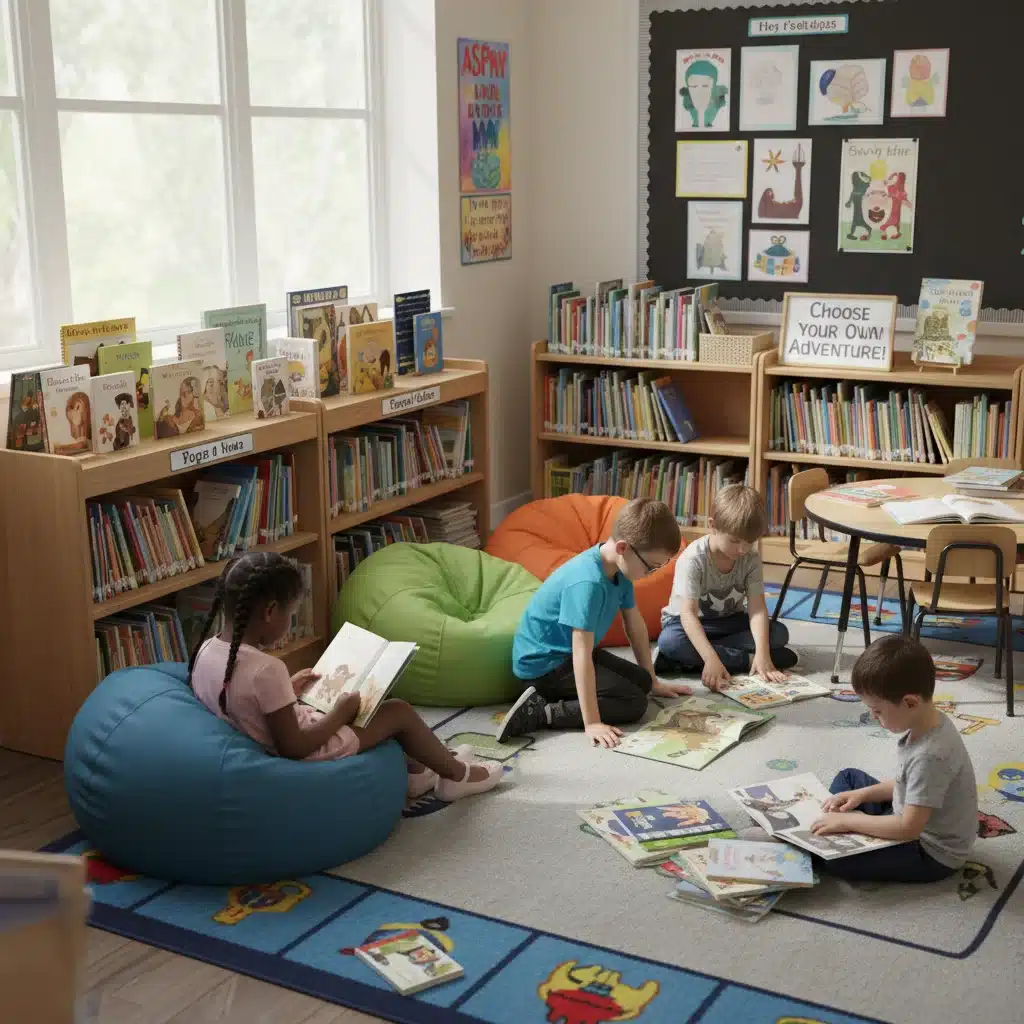
In classrooms, educators can create a vibrant reading culture through daily read-alouds, independent reading time, and visits to the school or public library. Integrating books into all areas of the curriculum, from science to art, shows children the pervasive presence and utility of reading. Celebrating authors, having book fairs, and organizing dramatic play based on stories further enhances this culture. When reading is seen as an exciting adventure rather than a chore, children naturally gravitate towards it, boosting their early childhood literacy skills exponentially.
Tips for Making Reading Joyful:
- Daily Read-Alouds: Make it a non-negotiable part of the daily routine.
- Child’s Choice: Let children pick the books they want to read.
- Interactive Reading: Ask questions, make predictions, and discuss the story.
- Visit Libraries: Make regular trips to the public library a fun outing.
- Model Reading: Let children see you enjoying books, magazines, and newspapers.
- Storytelling: Encourage children to tell their own stories, verbally or through drawing.
Connecting the Techniques: A Holistic Approach to Early Childhood Literacy
While each of these five techniques is powerful on its own, their true strength lies in their synergistic application. A print-rich environment provides the constant exposure. Dialogic reading builds comprehension and vocabulary. Phonics and phonological awareness activities equip children with decoding skills. Encouraging early writing reinforces their understanding of print’s purpose. And most importantly, making reading a joyful and regular experience provides the motivation and positive association necessary for sustained engagement.
Parents and educators should view early childhood literacy development not as a series of isolated lessons, but as an integrated, ongoing process woven into the fabric of daily life. It’s about creating an ecosystem where language and print thrive, where curiosity is sparked, and where every interaction is a potential learning opportunity. This holistic approach ensures that children develop not just the mechanics of reading, but also the deep understanding and enduring love for stories and information that define truly literate individuals.
The Role of Technology in 2026
As we navigate 2026, it’s also important to consider the role of technology. While screen time should be balanced, carefully selected educational apps and interactive e-books can complement these traditional techniques. Look for apps that promote active engagement, provide interactive phonics practice, or offer high-quality digital storybooks. The key is to use technology as a tool to enhance early childhood literacy, not replace the invaluable human interaction of shared reading and conversation.
Conclusion: Building a Foundation for Life
Boosting early childhood literacy is one of the most significant gifts we can give to the next generation. By implementing these five proven techniques – cultivating a print-rich environment, engaging in dialogic reading, integrating phonics and phonological awareness activities, encouraging early writing, and making reading a joyful and regular experience – parents and educators can lay an incredibly strong foundation. This foundation will not only lead to academic success but will also empower children with the tools they need to navigate a complex world, think critically, communicate effectively, and pursue a lifetime of learning and discovery. Let’s commit to nurturing these essential skills and watch our young learners flourish.
Author