FMLA 2026: Your Guide to Family and Medical Leave Rights

FMLA 2026: Understanding Your Rights for Up to 12 Weeks of Unpaid Leave
The Family and Medical Leave Act (FMLA) is a cornerstone of employee protection in the United States, providing eligible workers with the right to take job-protected, unpaid leave for specific family and medical reasons. As we approach 2026, it’s crucial for both employees and employers to have a clear understanding of their rights and responsibilities under this vital legislation. This comprehensive guide will delve into the intricacies of FMLA 2026 Rights, ensuring you are well-informed about who qualifies, what situations are covered, and how to navigate the process effectively.
What is the Family and Medical Leave Act (FMLA)?
At its core, the FMLA is a federal law that entitles eligible employees of covered employers to take unpaid, job-protected leave for specified family and medical reasons with continuation of group health insurance coverage under the same terms and conditions as if the employee had not taken leave. Upon return from FMLA leave, most employees must be restored to their original or an equivalent job with equivalent pay, benefits, and other terms and conditions of employment. The FMLA is not just a benefit; it’s a right designed to help employees balance their work and family responsibilities by allowing them to take necessary time off without fear of losing their job.
Key Provisions of FMLA 2026 Rights:
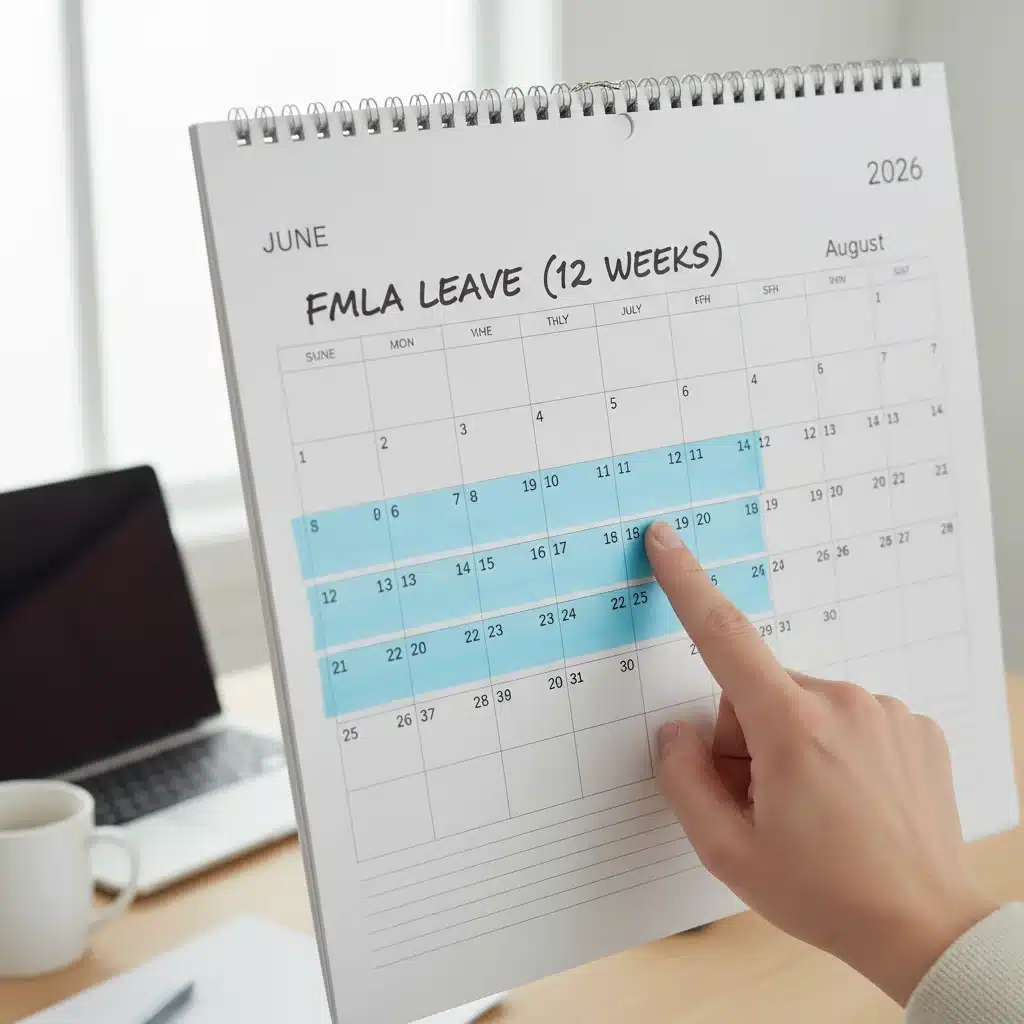
- 12 Workweeks of Leave: Eligible employees are entitled to 12 workweeks of leave in a 12-month period.
- Job Protection: Your job, or an equivalent one, is protected upon your return.
- Health Benefits: Your group health insurance benefits are maintained during your leave.
- Unpaid Leave: Generally, FMLA leave is unpaid, but employees may choose or be required by the employer to use accrued paid leave (such as sick or vacation leave) for some or all of the FMLA leave period.
Who is Eligible for FMLA Leave in 2026?
Understanding eligibility for FMLA 2026 Rights is the first critical step. Not every employee or employer is covered by the FMLA. Both the employer and the employee must meet specific criteria for the FMLA to apply. Let’s break down these requirements:
Employer Eligibility:
The FMLA applies to:
- Private-sector employers with 50 or more employees in 20 or more workweeks in the current or preceding calendar year. These 50 employees must work within a 75-mile radius.
- Public agencies (federal, state, and local government agencies), regardless of the number of employees.
- Public or private elementary and secondary schools, regardless of the number of employees.
It’s important for employers to regularly review their employee count to ensure compliance with FMLA regulations, especially as their workforce fluctuates.
Employee Eligibility for FMLA 2026 Rights:
To be eligible for FMLA leave, an employee must meet three criteria:
- Employment Duration: The employee must have worked for the employer for at least 12 months. These 12 months do not have to be consecutive. For example, if an employee worked for a company for six months, left for a year, and then returned and worked for another six months, they would meet the 12-month requirement.
- Hours Worked: The employee must have worked at least 1,250 hours during the 12 months immediately preceding the start of the leave. This averages out to about 24 hours per week. This calculation only includes hours actually worked, not paid time off.
- Worksite Location: The employee must work at a location where the employer has at least 50 employees within a 75-mile radius. This criterion is particularly relevant for companies with multiple, geographically dispersed locations.
Meeting all three of these conditions is essential for an employee to exercise their FMLA 2026 Rights. It is the employee’s responsibility to notify their employer of the need for FMLA leave, but the employer is responsible for determining eligibility.
Qualifying Reasons for FMLA Leave in 2026
The FMLA provides leave for specific family and medical reasons. Understanding these qualifying reasons is crucial for both employees seeking leave and employers administering it. The FMLA 2026 Rights cover the following situations:
1. Birth of a Child and Care for the Newborn
Both mothers and fathers can take FMLA leave for the birth of a child and to care for the newborn. This leave must conclude within 12 months of the child’s birth. If both parents work for the same employer, the employer can require them to share the 12 weeks of leave for the birth and care of a newborn, or for the placement of a child for adoption or foster care.
2. Placement of a Child for Adoption or Foster Care
Similar to the birth of a child, employees can take FMLA leave for the placement of a child with them for adoption or foster care. This leave also must conclude within 12 months of the placement. The purpose is to allow parents to bond with and care for their newly placed child.
3. Care for a Spouse, Child, or Parent with a Serious Health Condition
This provision allows employees to care for an immediate family member (spouse, son, daughter, or parent) who has a serious health condition. A ‘serious health condition’ is defined broadly and includes an illness, injury, impairment, or physical or mental condition that involves inpatient care or continuing treatment by a health care provider. This is a critical aspect of FMLA 2026 Rights, offering support during challenging times.
4. Employee’s Own Serious Health Condition
Employees are entitled to FMLA leave if they have a serious health condition that makes them unable to perform the essential functions of their job. This can include conditions requiring hospitalization, incapacity for more than three consecutive calendar days with continuing treatment, or chronic serious health conditions. This ensures that employees can prioritize their health without jeopardizing their employment.
5. Military Family Leave Entitlements
The FMLA also includes special provisions for military families, offering two distinct types of leave:
- Qualifying Exigency Leave: Eligible employees can take up to 12 workweeks of leave for any qualifying exigency arising out of the fact that the employee’s spouse, son, daughter, or parent is a covered military member on active duty or has been notified of an impending call to active duty in the Armed Forces. This can include short-notice deployment, military events and related activities, childcare and school activities, financial and legal arrangements, counseling, rest and recuperation, post-deployment activities, and parental care.
- Military Caregiver Leave (Service member Medical Leave): This allows an eligible employee who is the spouse, son, daughter, parent, or next of kin of a covered service member with a serious injury or illness to take up to 26 workweeks of leave in a single 12-month period to care for the service member. This is a significant extension beyond the standard 12 weeks and highlights the FMLA’s commitment to supporting military families.
Understanding Intermittent and Reduced Schedule Leave
One of the flexible aspects of FMLA 2026 Rights is the ability to take leave intermittently or on a reduced work schedule. This means taking leave in separate blocks of time or reducing the employee’s usual weekly or daily work schedule.
Intermittent Leave:
Intermittent leave can be taken when medically necessary for an employee’s own serious health condition or to care for a family member with a serious health condition. It can also be taken for qualifying exigencies related to military service. For example, an employee might take FMLA leave for chemotherapy appointments or physical therapy sessions.
Reduced Schedule Leave:
A reduced work schedule decreases the number of hours an employee works per week or per day. This is also permissible when medically necessary for a serious health condition or for military exigencies. For instance, an employee recovering from surgery might work part-time for a few weeks before returning to a full schedule.
For the birth or placement of a child for adoption or foster care, intermittent or reduced schedule leave is only available with the employer’s agreement. This flexibility helps employees manage ongoing medical needs or family care responsibilities without having to take a continuous block of time off.
Job Protection and Benefits during FMLA Leave
A core component of FMLA 2026 Rights is the protection it offers to an employee’s job and benefits. This ensures that taking necessary leave does not result in adverse employment consequences.
Job Restoration:
Upon return from FMLA leave, an employee must be restored to their original job or an equivalent job. An ‘equivalent job’ means a position that is virtually identical to the employee’s former position in terms of pay, benefits, and other terms and conditions of employment, including privileges, perquisites, and status. It must involve the same or substantially similar duties and responsibilities, which must entail substantially equivalent skill, effort, responsibility, and authority.
Maintenance of Health Benefits:
During FMLA leave, an employer must maintain the employee’s group health insurance coverage under the same conditions as if the employee had not taken leave. This means the employer must continue to pay their share of the premium, and the employee must continue to pay their share, if any. If an employee fails to return from FMLA leave for reasons other than the onset of a serious health condition or circumstances beyond their control, the employer may recover the premiums it paid for maintaining health coverage during the unpaid FMLA leave.
Prohibition Against Retaliation:
The FMLA strictly prohibits employers from interfering with, restraining, or denying the exercise of FMLA rights. It also prohibits retaliation against any individual for exercising their FMLA rights or for opposing any practice made unlawful by the FMLA. This includes actions such as demotion, termination, or reduction in pay or benefits because an employee took FMLA leave. Employees who believe their FMLA 2026 Rights have been violated can file a complaint with the U.S. Department of Labor or pursue a private lawsuit.
Requesting FMLA Leave: The Employee’s Role
To exercise your FMLA 2026 Rights, you must follow certain procedures. Proper notification is key to ensuring your leave is protected.
Notification Requirements:
- Foreseeable Leave: If the need for FMLA leave is foreseeable (e.g., for the birth of a child, scheduled surgery, or planned treatment), an employee must provide the employer with at least 30 days’ advance notice. If 30 days’ notice is not practicable, notice must be given as soon as practicable.
- Unforeseeable Leave: When the need for leave is not foreseeable (e.g., an emergency illness or accident), the employee must provide notice as soon as practicable. This generally means within one or two business days of learning of the need for leave.
The notice does not have to specifically mention FMLA, but it must provide enough information for the employer to determine that the leave is FMLA-qualifying. Employers often require employees to complete specific FMLA request forms.
Medical Certification:
Employers may require medical certification to support a request for FMLA leave due to an employee’s own serious health condition or to care for a family member with a serious health condition. The certification must be provided in a timely manner, usually within 15 calendar days of the employer’s request. It typically includes information about the condition, its probable duration, and the need for leave. Employers cannot ask for more information than what is permitted under FMLA regulations.
Employer Responsibilities:
Once an employee provides notice, the employer has specific responsibilities:
- Eligibility Notice: The employer must notify the employee of their FMLA eligibility within five business days of the request for leave (or learning of the need for leave).
- Rights and Responsibilities Notice: The employer must provide a written notice detailing the employee’s rights and responsibilities under the FMLA, including requirements for medical certification, premium payments for health benefits, and job restoration.
- Designation Notice: The employer must designate leave as FMLA-qualifying within five business days after receiving enough information to determine if the leave qualifies.
Failure by the employer to follow these steps can have legal consequences, reinforcing the importance of understanding FMLA 2026 Rights for both parties.
Common Misconceptions about FMLA 2026 Rights
Despite its long-standing presence, several misconceptions about the FMLA persist. Clearing these up is vital for proper application and understanding of FMLA 2026 Rights.
Misconception 1: FMLA Leave is Always Paid.
Reality: FMLA leave is generally unpaid. However, employees may choose, or employers may require, the use of accrued paid leave (sick, vacation, or personal leave) to cover some or all of the FMLA leave period. This allows employees to receive some income during their time off, but it’s not a federal requirement under FMLA itself.
Misconception 2: You Automatically Get FMLA if You Have a Medical Condition.
Reality: While having a serious health condition is a qualifying reason, you must also meet the employer and employee eligibility criteria (50 employees within 75 miles, 12 months of employment, 1,250 hours worked). Many employees with legitimate medical needs may not qualify due to these thresholds.
Misconception 3: You Have to Take All 12 Weeks at Once.
Reality: As discussed, FMLA leave can be taken intermittently or on a reduced schedule when medically necessary for a serious health condition or for qualifying exigencies. For the birth or placement of a child, intermittent leave requires employer approval.
Misconception 4: Your Employer Can’t Ask for Any Information.
Reality: Employers have the right to request medical certification to verify the serious health condition. They can also require periodic reports on an employee’s status and intent to return to work. However, there are limits to what information can be requested.
Misconception 5: FMLA Protects You from All Termination.
Reality: FMLA protects your job while you’re on FMLA leave. However, it does not protect you from termination if you would have been laid off or terminated even if you hadn’t taken leave. For example, if your position is eliminated due to a legitimate business restructuring, FMLA does not guarantee you a job. It also doesn’t protect you from performance-related termination if the issues occurred before or after your FMLA leave, provided the termination is unrelated to your leave.
Staying Informed about FMLA Changes and Updates
While the core tenets of the FMLA remain consistent, there can be minor clarifications or interpretations from the Department of Labor (DOL). Staying updated on any potential changes, even subtle ones, is beneficial for both employees and employers to ensure full compliance with FMLA 2026 Rights.
Resources for FMLA Information:
- U.S. Department of Labor (DOL) Website: The official source for FMLA information, including fact sheets, guides, and compliance assistance.
- Human Resources Departments: For employees, your HR department is your primary point of contact for FMLA inquiries specific to your employer.
- Legal Counsel: For complex situations or disputes, consulting with an attorney specializing in employment law is advisable.
- Employee Handbooks: Many employers include FMLA policies in their employee handbooks.
Conclusion: Empowering Employees with FMLA 2026 Rights
The Family and Medical Leave Act is a critical piece of legislation that provides invaluable support to American workers. Understanding your FMLA 2026 Rights is not just about knowing a law; it’s about empowering yourself to navigate life’s significant personal and family challenges without fear of losing your livelihood. From welcoming a new child to caring for a seriously ill family member or recovering from your own health issues, the FMLA provides a safety net that allows you to focus on what matters most.
For employers, robust knowledge and diligent adherence to FMLA regulations are essential for fostering a supportive work environment, maintaining legal compliance, and avoiding costly disputes. By ensuring that employees can confidently exercise their FMLA 2026 Rights, companies can build trust, improve morale, and ultimately contribute to a more resilient and compassionate workforce.
Take the time to familiarize yourself with these provisions, ask questions when uncertain, and utilize the resources available to ensure that your FMLA experience is as smooth and stress-free as possible. Your rights are there to protect you; make sure you know how to use them effectively.
Author