Navigating Market Volatility: Your Investment Portfolio Outlook for 2026
In the dynamic world of finance, market volatility is a constant companion, capable of eliciting both apprehension and opportunity. As we advance into 2026, recent market fluctuations have left many investors questioning the stability and future trajectory of their portfolios. This comprehensive guide aims to provide a detailed 3-month outlook, shedding light on how current market conditions might impact your investment strategy and offering actionable insights to navigate these turbulent waters. Understanding the nuances of market volatility investment is crucial for safeguarding and growing your wealth.
The 3-Month Outlook: How Recent Market Volatility Affects Your Investment Portfolio in 2026
The first quarter of 2026 has presented a complex economic landscape, characterized by fluctuating interest rates, geopolitical tensions, and evolving technological advancements. These factors collectively contribute to the heightened market volatility environment we are currently experiencing. For investors, this translates into a period requiring careful analysis, strategic adjustments, and a robust understanding of underlying market drivers. The next three months, from Q2 to early Q3 2026, are particularly critical as various economic indicators are expected to mature, potentially setting the tone for the remainder of the year.
Understanding Recent Market Volatility: A Deep Dive
To effectively plan for the future, we must first understand the forces that have shaped the recent past. The market has been a rollercoaster, driven by a confluence of macroeconomic factors. Inflationary pressures, while showing signs of easing in some regions, remain a concern globally, influencing central bank policies and consumer spending. Interest rate hikes, a primary tool used by central banks to combat inflation, have directly impacted borrowing costs for businesses and individuals, thereby affecting corporate earnings and consumer demand. This environment has made market volatility investment a key discussion point among financial advisors.
Geopolitical events, from regional conflicts to international trade disputes, have added another layer of uncertainty. These events can disrupt supply chains, impact commodity prices, and erode investor confidence, leading to sudden market swings. Furthermore, the rapid pace of technological innovation, particularly in areas like artificial intelligence and sustainable energy, has created both immense opportunities and significant disruption. While these sectors offer high growth potential, they also carry inherent risks, contributing to the overall market dynamism.
A crucial aspect of recent market behavior has been the divergence in performance across different asset classes. While some sectors have demonstrated resilience and even growth, others have faced significant headwinds. This divergence underscores the importance of a diversified approach and the need to constantly re-evaluate asset allocation in light of prevailing market conditions. The concept of market volatility investment isn’t just about reacting to downturns, but also about identifying and capitalizing on emerging trends.
Key Factors Influencing Your Portfolio in the Next 3 Months
Looking ahead, several key factors will likely dictate the performance of your investment portfolio over the next three months. Being aware of these influences is paramount for making informed decisions regarding your market volatility investment strategy.
Inflation and Interest Rate Trajectories
The ongoing battle against inflation will remain a dominant theme. Central banks worldwide are walking a tightrope, aiming to bring inflation down without tipping economies into recession. Any indication of persistent inflation could lead to further interest rate hikes, which generally dampen economic activity and can negatively impact equity markets, particularly growth stocks. Conversely, clear signs of inflation cooling could pave the way for a pause or even cuts in interest rates, potentially boosting market sentiment and bond prices. Monitoring economic data releases, such as consumer price index (CPI) reports and employment figures, will be vital.
Corporate Earnings and Economic Growth
Corporate earnings reports will provide a critical barometer of economic health. Strong earnings indicate robust business activity and consumer demand, which can support stock prices. However, a slowdown in earnings growth or an increase in corporate bankruptcies could signal an impending economic downturn. Investors should pay close attention to forward-looking statements from companies, as these often provide insights into future growth prospects and potential challenges. The overall trajectory of global economic growth, influenced by factors like consumer spending, government policies, and international trade, will also play a significant role.
Geopolitical Developments
The geopolitical landscape remains a source of considerable uncertainty. Escalations in existing conflicts, new trade barriers, or shifts in international alliances can have immediate and far-reaching effects on global markets. Energy prices, supply chains, and investor confidence are particularly vulnerable to geopolitical shocks. While these events are often unpredictable, staying informed about major international developments can help investors anticipate potential market reactions and adjust their market volatility investment positions accordingly.
Technological Advancements and Sectoral Shifts
Technological innovation continues to reshape industries at an unprecedented pace. The rise of AI, advancements in biotechnology, and the transition to renewable energy sources are creating new investment opportunities while simultaneously disrupting traditional sectors. Investors should assess which companies and sectors are best positioned to capitalize on these trends and which might face obsolescence. This involves not only identifying growth areas but also understanding the regulatory environment and competitive landscape within these evolving sectors. Embracing these shifts is vital for a forward-looking market volatility investment approach.
Strategies for Navigating Market Volatility in 2026
Navigating a volatile market requires a well-thought-out strategy that balances risk and reward. Here are several approaches investors can consider for their market volatility investment portfolio in the coming months:
1. Diversification: The Cornerstone of Risk Management
Diversification remains the most fundamental principle of sound investing, especially during periods of high volatility. This involves spreading your investments across various asset classes (stocks, bonds, real estate, commodities), different industries, geographic regions, and company sizes. The goal is to reduce the impact of poor performance in any single investment on your overall portfolio. A well-diversified portfolio can help smooth out returns during market swings and provide a buffer against unexpected downturns. Rebalancing your portfolio periodically to maintain your desired asset allocation is also crucial.
2. Rebalancing Your Portfolio Strategically
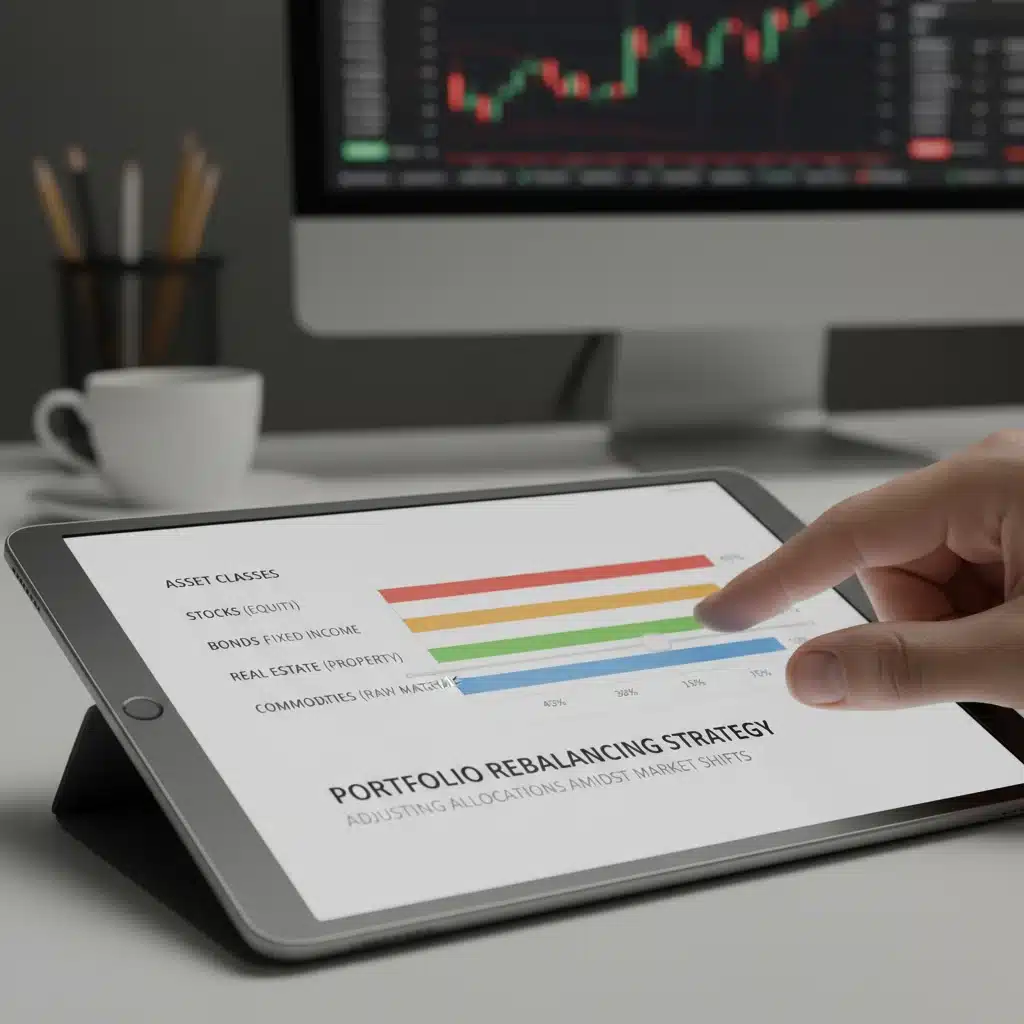
Market volatility often leads to certain asset classes outperforming or underperforming others, thereby shifting your portfolio’s original asset allocation. Strategic rebalancing involves selling off assets that have become overweighted and investing in those that have become underweighted, bringing your portfolio back to its target allocation. This discipline helps in taking profits from winning investments and buying low in underperforming areas. It’s a proactive approach to managing risk and maintaining alignment with your long-term financial goals, especially when dealing with market volatility investment.
3. Emphasizing Quality and Resilient Assets
During uncertain times, focusing on high-quality assets can provide greater stability. This includes companies with strong balance sheets, consistent earnings, competitive advantages, and reliable cash flows. Such businesses are often better equipped to weather economic downturns and emerge stronger. Similarly, investing in government bonds or high-grade corporate bonds can offer a degree of safety, acting as a hedge against equity market declines. These assets are often less susceptible to the wild swings associated with market volatility investment.
4. Considering Defensive Sectors and Dividend Stocks
Certain sectors are considered more defensive, meaning their performance is less tied to the overall economic cycle. These include utilities, consumer staples, and healthcare, as demand for their products and services tends to remain relatively stable regardless of economic conditions. Dividend-paying stocks, particularly those with a history of consistent dividend growth, can also provide a steady stream of income, which can be particularly attractive when capital appreciation is uncertain. These options can provide a degree of stability in a market volatility investment environment.
5. Dollar-Cost Averaging
Dollar-cost averaging involves investing a fixed amount of money at regular intervals, regardless of market conditions. This strategy helps mitigate the risk of investing a large sum at an unfortunate market peak. When prices are low, your fixed investment buys more shares; when prices are high, it buys fewer. Over time, this can lead to a lower average cost per share and reduce the emotional impact of market fluctuations, making it an excellent strategy for managing market volatility investment.
6. Long-Term Perspective and Emotional Discipline
Perhaps the most critical strategy during periods of market volatility is maintaining a long-term perspective and exercising emotional discipline. Reacting impulsively to short-term market movements often leads to poor investment decisions. History has shown that markets tend to recover from downturns over time. Sticking to your long-term financial plan, understanding that volatility is a normal part of investing, and avoiding panic selling can be crucial for achieving your financial goals. A well-defined investment plan provides a roadmap to navigate the ups and downs of market volatility investment.
Sector-Specific Outlook for the Next 3 Months
While a diversified approach is key, understanding the potential performance of specific sectors can further refine your market volatility investment strategy. Here’s a brief outlook on some key sectors:
Technology Sector
The technology sector, particularly areas like AI, cloud computing, and cybersecurity, continues to show robust growth potential. However, valuations remain a concern, and higher interest rates can disproportionately impact growth stocks. Investors should focus on companies with strong fundamentals, clear profitability paths, and sustainable competitive advantages. Expect continued innovation but also potential for significant price swings.
Healthcare Sector
Healthcare is generally considered a defensive sector, driven by non-discretionary demand. Demographic trends, such as an aging global population, support long-term growth. Innovations in biotechnology, pharmaceuticals, and medical devices offer attractive opportunities. However, regulatory changes and drug pricing pressures could introduce volatility. This sector is often a safe harbor for market volatility investment.
Energy Sector
The energy sector remains highly susceptible to geopolitical events and global demand fluctuations. While the transition to renewable energy continues, traditional fossil fuels will likely play a significant role in the short to medium term. Investors should monitor oil and gas prices, global supply dynamics, and policy shifts towards green energy. Opportunities may exist in both traditional energy companies adapting to new technologies and pure-play renewable energy firms.
Financial Sector
The financial sector, including banks, insurance companies, and investment firms, is sensitive to interest rate changes and overall economic health. Higher interest rates can boost net interest margins for banks, but a slowdown in economic activity could lead to increased loan defaults. Regulatory environment and technological disruption (FinTech) are also key considerations. This sector’s performance is closely tied to the broader market volatility investment landscape.
Consumer Staples and Discretionary
Consumer staples (e.g., food, beverages, household goods) tend to be stable performers due to consistent demand, making them attractive during volatile periods. Consumer discretionary (e.g., luxury goods, travel, entertainment), on the other hand, is more sensitive to economic cycles and consumer confidence. A strong economy supports discretionary spending, while an economic slowdown can significantly impact these companies. These sectors offer contrasting approaches to market volatility investment.
The Role of Professional Guidance
In times of heightened market volatility, the value of professional financial advice becomes even more pronounced. A qualified financial advisor can help you:
- Assess Your Risk Tolerance: Accurately determine your capacity and willingness to take on investment risk, which is crucial for building a suitable portfolio.
- Develop a Personalized Plan: Create a tailored investment strategy aligned with your specific financial goals, time horizon, and personal circumstances.
- Stay Informed: Provide expert analysis on market trends, economic indicators, and geopolitical developments, helping you understand their potential impact.
- Maintain Emotional Discipline: Act as a rational sounding board, helping you avoid impulsive decisions driven by fear or greed during market swings.
- Rebalance and Adjust: Periodically review and rebalance your portfolio to ensure it remains aligned with your objectives and current market conditions.
Engaging with a professional can provide peace of mind and help you navigate the complexities of market volatility investment with greater confidence.

Conclusion: Embracing Resilience in a Changing Market
The next three months of 2026 are poised to be a period of continued evolution in the financial markets. While recent market volatility presents challenges, it also uncovers opportunities for astute investors. By understanding the underlying economic forces, adopting strategic investment approaches, and maintaining a long-term perspective, you can position your portfolio for resilience and growth. Focus on diversification, strategic rebalancing, and investing in quality assets. Remember that market fluctuations are a normal part of the investment cycle, and a well-informed, disciplined approach is your best defense.
The key to successfully navigating this environment lies not in predicting every market turn, but in building a robust portfolio that can withstand various scenarios. Regularly review your investments, stay informed about global economic developments, and don’t hesitate to seek professional advice. By doing so, you can transform the challenges of market volatility investment into opportunities for strengthening your financial future. Your proactive approach today will lay the foundation for a more secure and prosperous tomorrow.
Author