Heatwave safety and emergency prep tips you need

Heatwave safety and emergency prep involves staying hydrated, creating a personal response plan, and recognizing symptoms of heat-related illnesses to ensure your safety during extreme temperature conditions.
Heatwave safety and emergency prep are crucial as extreme temperatures can pose significant risks. Are you aware of the steps to protect yourself? Let’s dive into tips that can make a difference during those sweltering days.
Understanding heatwaves and their impacts
Understanding heatwaves and their impacts is key to staying safe during extreme weather events. A heatwave is defined as a period of excessively hot weather that lasts several days, often with high humidity. These conditions can lead to serious health risks for individuals, especially the elderly and those with pre-existing health conditions.
Health Risks Associated with Heatwaves
Heatwaves can cause a variety of health issues, including:
- Heat exhaustion, which can lead to symptoms like dizziness and nausea.
- Heatstroke, a severe condition that can be life-threatening.
- Worsening of existing medical conditions, especially respiratory or cardiovascular diseases.
It is vital to recognize the signs of heat-related illnesses early. Staying informed about local weather conditions and alerts is essential. Many places issue heat advisories when temperatures rise significantly.
Environmental Impacts
Besides health risks, heatwaves can also affect the environment. They may:
- Cause droughts and reduce water supply.
- Lead to wildfires, which can threaten homes and ecosystems.
- Harm agriculture, affecting crop yields and food supply.
Understanding these impacts allows communities to prepare proactively. In addition, urban areas can experience a phenomenon known as the “urban heat island effect,” where cities become hotter than surrounding areas due to human activities.
This heightened temperature can exacerbate the effects of a heatwave, putting residents at greater risk. By being proactive and informed, individuals can better protect themselves and their communities during a heatwave.
Essential safety tips during a heatwave
During a heatwave, it’s crucial to prioritize your safety. Knowing how to protect yourself can make a big difference. Staying cool and hydrated is essential to avoid heat-related illnesses.
Stay Hydrated
One of the most important tips is to drink plenty of water. Try to:
- Consume at least 8-10 glasses of water daily.
- Avoid alcohol and caffeine as they can cause dehydration.
- Consider electrolyte-rich drinks if you’re sweating a lot.
Dehydration can happen quickly, especially in extreme heat, so always keep a water bottle nearby.
Dress Appropriately
The clothes you wear can help you stay cool. Choose:
- Lightweight, loose-fitting clothing.
- Light colors that reflect sunlight instead of absorbing it.
- Hats or visors to shield your face from direct sunlight.
When you can, stay indoors during the hottest parts of the day, usually from 10 a.m. to 4 p.m. This can reduce your exposure to extreme temperatures.
Look for air-conditioned buildings or shaded areas. If you’re at home, use fans or cool showers to reduce your body temperature. It’s also wise to check on vulnerable family members or friends who may need assistance during a heatwave.
Knowing when to seek help is essential. If you or someone else shows signs of heat exhaustion or heatstroke, including confusion or fainting, seek medical attention immediately.
Emergency preparedness checklist for heatwaves
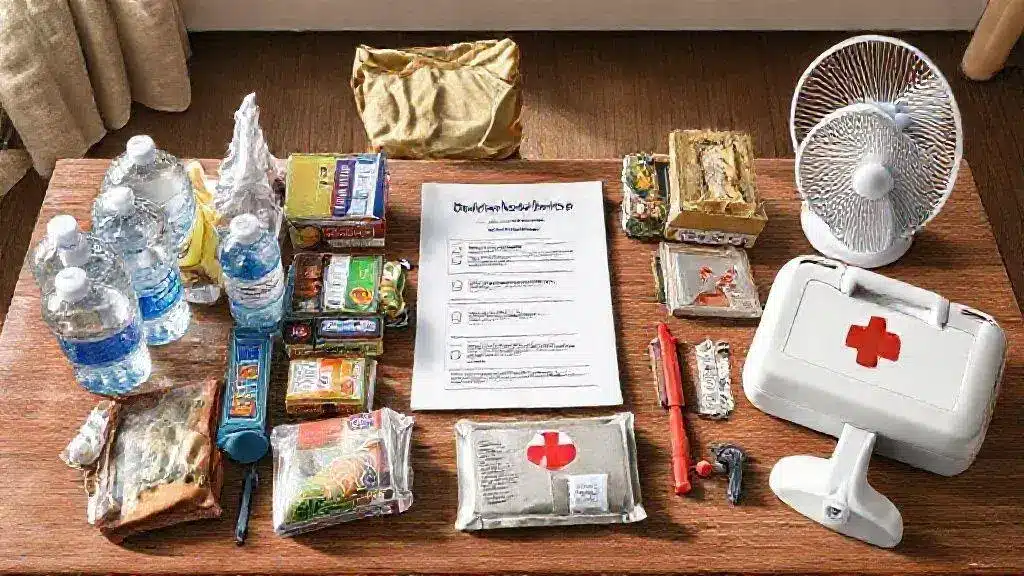
Being well-prepared can make a huge difference during a heatwave. An emergency preparedness checklist helps ensure you have everything you need to stay safe and comfortable. This checklist can assist you in organizing essential items and plans before the hot weather arrives.
Essential Supplies
Gathering the right supplies is crucial. Make sure to have:
- Plenty of drinking water stored for at least three days.
- Non-perishable food items that require minimal preparation.
- A battery-powered or hand-crank fan to stay cool.
In addition, include first aid supplies and any necessary medications. Don’t forget items like cooling towels, sunscreen, and personal hygiene products.
Plan for Communication
It’s essential to plan how you’ll communicate with family and friends. Ensure that:
- You have a list of emergency contacts handy.
- Your phone is charged and has backup power sources available.
- Emergency numbers are easily accessible, including local health services.
Consider having a predetermined meeting place in case family members get separated. This will help reduce stress during a crisis.
Finally, check your local weather alerts regularly to stay informed about heatwaves in your area. This information can guide your actions and planning effectively. By preparing ahead of time, you can enhance your safety and response during a heatwave.
The importance of hydration and nutrition
During a heatwave, maintaining proper hydration and nutrition is vital for your health. The body loses a lot of fluids through sweat, and you need to replenish those fluids to avoid dehydration. Staying hydrated helps regulate your body temperature and keeps your organs functioning properly.
The Role of Water
Water is your best friend in the heat. It is recommended to drink:
- At least 8-10 glasses of water daily.
- More if you are active or sweating heavily.
- Water-rich foods like fruits and vegetables, which also contribute to hydration.
Pay attention to your body. If you start feeling thirsty, it’s a sign that you should drink more water.
Nutrition Choices
Proper nutrition during a heatwave is just as crucial. Focus on foods that are:
- High in water content, such as cucumbers, tomatoes, and watermelon.
- Rich in electrolytes, like bananas and spinach, to replace lost minerals.
- Light and easy to digest to avoid feeling sluggish.
Eating smaller, more frequent meals can help you maintain energy levels without overheating. Avoid heavy meals that may make you feel bloated in the heat. Remember, what you eat influences how you feel during extreme temperatures.
In a heatwave, listen to your body. If you experience symptoms like dizziness or fatigue, it may be a sign to hydrate more and eat nourishing foods. These steps will help you stay cool and energized, allowing you to navigate the heat effectively.
Creating a personal heatwave response plan
Creating a personal heatwave response plan is essential for staying safe during extreme temperatures. By proactively preparing, you can protect yourself and your loved ones from the dangers of heat. Understanding how to react before and during a heatwave will help you stay cool and collected.
Identify Cool Areas
First, determine where you can stay cool when temperatures rise. Look for:
- Public spaces like malls or libraries that have air conditioning.
- Community centers that may offer cooling stations.
- Your home, equipped with fans and cooling methods.
Ensure that you know how to get to these locations quickly if a heatwave is forecasted.
Communication Plan
Establish a communication plan with family and friends. Make sure to:
- Share your heatwave response plan with trusted individuals.
- Set check-in times to ensure everyone is safe during a heatwave.
- Have emergency contacts readily available in case of health issues.
By keeping in touch, you can support each other and address any concerns that may arise.
Additionally, prepare for emergencies by having essential items on hand, like bottled water, first aid supplies, and any needed medications. Review your plan regularly and make adjustments as needed. It’s important to remain flexible and adapt to changing situations.
Finally, be aware of the signs of heat-related illnesses for yourself and others. Knowing when to seek help can save lives. By creating an effective response plan, you enhance your safety and your ability to respond to the challenges of a heatwave.
FAQ – Frequently Asked Questions about Heatwave Safety and Emergency Prep
What are the most effective ways to stay hydrated during a heatwave?
The best way to stay hydrated is to drink at least 8-10 glasses of water daily and consume water-rich foods like fruits and vegetables.
How can I create a personal heatwave response plan?
Identify cool areas, establish a communication plan with family, gather emergency supplies, and regularly review your plan.
What are the signs of heat-related illnesses I should look out for?
Be aware of symptoms such as dizziness, confusion, headaches, and excessive sweating, which can indicate heat exhaustion or heatstroke.
How can I prepare my home for a heatwave?
Ensure you have fans and air conditioning, keep curtains closed during the day, and stock up on water and hydrating foods.
Author