Infrastructure Bill Progress: $500 Billion for Roads & Bridges – Timelines to 2026
The United States stands at a pivotal moment in its history, embarking on a transformative journey to revitalize its foundational infrastructure. The Infrastructure Investment and Jobs Act (IIJA), signed into law in November 2021, represents an unprecedented commitment to modernizing the nation’s physical backbone. At its core, this landmark legislation earmarks a staggering $500 billion for roads and bridges, a colossal investment designed to address decades of underfunding, neglect, and the mounting challenges of an aging system. This comprehensive article delves deep into the Infrastructure Bill Progress, exploring the intricate details of this monumental allocation, the anticipated project timelines extending through 2026, and the far-reaching implications for the American economy and its citizens.
For too long, the state of American infrastructure has been a significant concern, impacting everything from daily commutes and supply chain efficiency to public safety and economic competitiveness. Reports consistently highlight the deteriorating condition of roads, bridges, and other vital public works, often receiving dismal grades from civil engineering associations. The IIJA seeks to reverse this trend, providing a robust framework and the necessary financial muscle to undertake repairs, upgrades, and new construction projects on a scale not seen in generations. Understanding the nuances of this bill, particularly the specific allocations for transportation, is crucial for grasping its potential impact.
This legislation is not merely about pouring concrete and laying asphalt; it’s about building a more resilient, efficient, and equitable future. It’s about creating millions of jobs, stimulating local economies, enhancing national security, and improving the quality of life for all Americans. As we navigate the complexities of implementation, tracking the Infrastructure Bill Progress becomes paramount. From the initial planning stages to groundbreaking ceremonies and project completions, every step contributes to a grand vision of a re-energized nation. This detailed analysis will provide insights into how these funds are being disbursed, the types of projects being prioritized, and what the coming years hold for communities across the country.
Understanding the Infrastructure Investment and Jobs Act (IIJA)
The Infrastructure Investment and Jobs Act, often referred to as the Bipartisan Infrastructure Law, is a sprawling piece of legislation that dedicates approximately $1.2 trillion over ten years to address America’s infrastructure needs. Within this monumental sum, a significant portion – specifically $500 billion for roads and bridges – is allocated to the Department of Transportation’s various programs. This focus underscores the critical role that surface transportation plays in the nation’s economic vitality and social fabric.
Key Pillars of the IIJA for Roads and Bridges
- Federal-Aid Highway Program: This program receives the largest share of the funding, enabling states to undertake a wide range of projects, from routine maintenance and major rehabilitation to new construction and safety improvements. The IIJA significantly increases the funding levels for this program, providing a stable and predictable source of revenue for state departments of transportation.
- Bridge Formula Program: Recognizing the urgent need to repair and replace structurally deficient and functionally obsolete bridges, the bill establishes a dedicated Bridge Formula Program. This program specifically targets the nation’s 45,000 bridges in poor condition, ensuring that states have the resources to address these critical structural concerns.
- Major Projects Program (Mega Projects): For large, complex, and economically significant projects that often span multiple states or involve innovative financing, the IIJA creates a new program to fund these ‘mega projects.’ This allows for ambitious undertakings that might otherwise be too costly or complex for individual states to manage.
- Safety Programs: Enhanced funding for various safety programs aims to reduce fatalities and serious injuries on roads. This includes investments in pedestrian and cyclist safety, railway-highway grade crossings, and initiatives to improve roadway design.
- Climate Resilience: Acknowledging the growing threat of climate change, the bill integrates resilience measures into infrastructure planning and construction. Funds are allocated to make roads and bridges more resistant to extreme weather events, flooding, and other climate-related impacts.
The structure of the IIJA emphasizes a partnership between the federal government and state and local entities. While the federal government provides the bulk of the funding, states retain significant autonomy in prioritizing and executing projects based on their specific needs and challenges. This decentralized approach is designed to ensure that investments are tailored to local contexts, maximizing the impact of the Infrastructure Bill Progress.
The $500 Billion Breakdown: Where the Money Goes
To truly appreciate the scope of this investment, it’s essential to examine how the $500 billion for roads and bridges is being distributed and utilized. The funding is not a single, lump-sum payment but rather a multi-year allocation channeled through various existing and new programs. This strategic distribution ensures that different facets of the transportation network receive the attention they require.
Key Funding Categories:
- Highway Programs (Approx. $350 Billion): This constitutes the largest share, primarily flowing through the Federal-Aid Highway Program. These funds support everything from interstate maintenance and expansion to local road repairs, congestion relief projects, and the development of intelligent transportation systems. States receive formula-based allocations, providing them with predictable funding to plan and execute long-term projects.
- Bridge Repair and Replacement (Approx. $40 Billion): The dedicated Bridge Formula Program is a game-changer for states grappling with aging bridge infrastructure. This funding specifically targets the repair, rehabilitation, and replacement of bridges in poor condition, as well as those that are functionally obsolete. States are required to prioritize projects based on need and safety.
- Major Project Grants (Approx. $15 Billion): These competitive grants are designed for large, complex, and nationally significant projects that often have a transformative impact. Examples include major highway expansions, new bridge constructions over significant waterways, or projects that connect critical economic hubs.
- Safety Enhancements (Approx. $10 Billion): This allocation supports programs aimed at improving road safety for all users. Investments include initiatives to separate pedestrian and bicycle traffic from vehicles, implement advanced traffic management systems, and enhance data collection for accident prevention.
- Climate Resilience and Adaptation (Approx. $5 Billion): Funds dedicated to making infrastructure more resilient to climate change impacts, such as extreme weather, wildfires, and sea-level rise. This includes projects like elevating roads in flood-prone areas, improving drainage systems, and using more durable materials.
- Research and Development (Approx. $5 Billion): Investing in innovative solutions, new materials, and advanced construction techniques to build more efficient, sustainable, and safer infrastructure. This includes smart infrastructure technologies and sustainable building practices.
The multi-faceted approach to allocating these funds ensures a holistic improvement of the transportation network. It’s not just about patching potholes; it’s about building for the future, integrating technology, and addressing environmental concerns. The Infrastructure Bill Progress is being meticulously tracked by federal agencies, with regular reports detailing the allocation and utilization of these funds across states and programs.
Project Timelines: Navigating the Road Ahead Through 2026
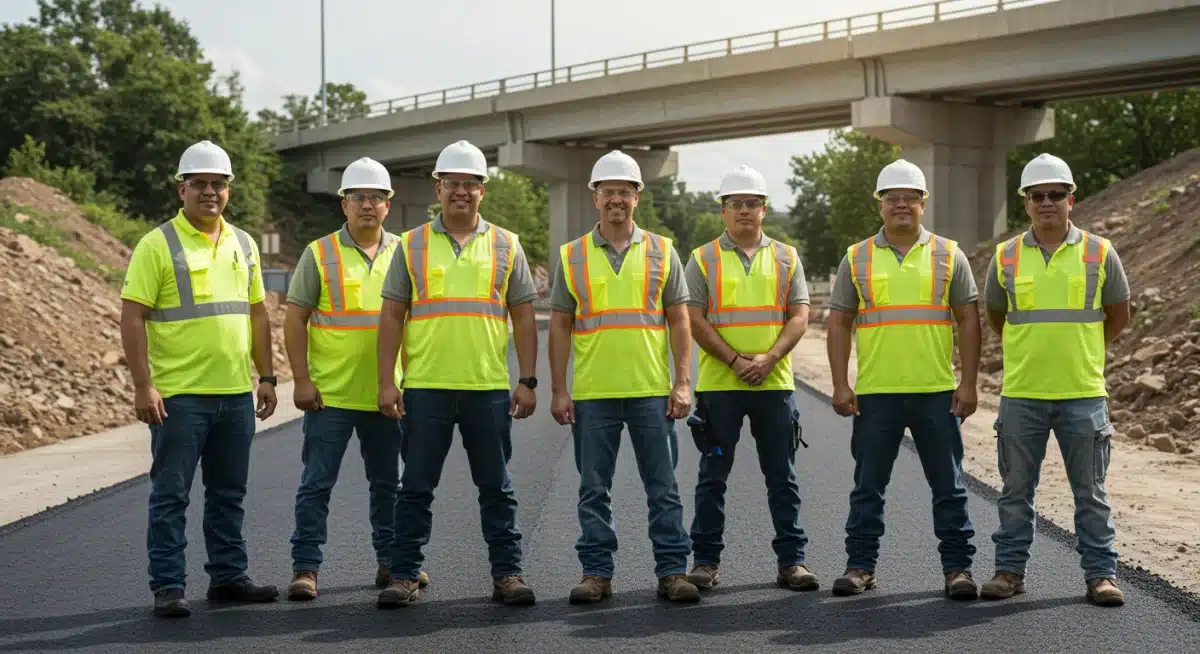
While the immediate impact of the IIJA has been felt through initial funding disbursements, the true measure of the Infrastructure Bill Progress will unfold over several years. The project timelines extend well beyond the initial legislative period, with significant milestones anticipated through 2026 and beyond. This long-term horizon is necessary given the scale and complexity of the projects involved.
Phase 1: Initial Planning and Disbursement (2022-2023)
- Formula Funding Activation: Immediately following the bill’s passage, states began receiving increased formula funding for highway and bridge programs. This allowed state departments of transportation to accelerate existing projects and initiate new planning efforts.
- Grant Program Rollout: Federal agencies, primarily the Department of Transportation, established the guidelines and application processes for new competitive grant programs, such as the Bridge Formula Program and the Major Projects Program. This phase involved significant outreach to states and local entities.
- Project Identification and Prioritization: States and localities engaged in extensive planning, identifying critical needs, conducting feasibility studies, and prioritizing projects based on safety, economic impact, and readiness. This often involved public consultations and environmental reviews.
Phase 2: Project Acceleration and Construction Begins (2023-2024)
- Increased Groundbreaking: As planning phases conclude and funding becomes readily available, a significant increase in groundbreaking ceremonies and the commencement of construction projects is observed. This includes both major new constructions and extensive rehabilitation efforts.
- Workforce Development: The demand for skilled labor in construction and engineering sectors intensifies. States and educational institutions focus on training programs to meet this demand, ensuring a robust workforce for ongoing and future projects.
- Supply Chain Management: Efforts to manage supply chains for construction materials (steel, concrete, asphalt) become crucial to avoid delays and cost overruns. Federal and state agencies work to mitigate potential bottlenecks.
Phase 3: Peak Construction and Early Completions (2025-2026)
- Widespread Project Activity: This period is expected to see the peak of construction activity across the nation. Thousands of projects, ranging from small local road repairs to massive bridge replacements, will be underway simultaneously.
- First Major Project Completions: Some of the earlier initiated projects, particularly those with shorter timelines or simpler scopes, will reach completion. These early successes will demonstrate the tangible benefits of the Infrastructure Bill Progress.
- Economic Impact Becomes Evident: The economic benefits, including job creation, increased demand for materials, and improved transportation efficiency, become more apparent and measurable.
It’s important to note that many complex projects, especially large-scale bridge replacements or new highway corridors, will likely extend beyond 2026, with some potentially taking five to ten years from conception to completion. However, the initial five-year window through 2026 will lay the groundwork, demonstrate substantial progress, and significantly improve a vast segment of the nation’s infrastructure.
Economic Impact and Job Creation
Beyond the physical improvements, one of the most significant aspects of the Infrastructure Bill Progress is its profound economic impact. The $500 billion for roads and bridges is not just an expenditure; it’s an investment that is expected to generate substantial returns in terms of economic growth and job creation.
Direct and Indirect Job Creation
- Direct Jobs: The most immediate impact is the creation of millions of direct jobs in the construction sector. This includes civil engineers, construction workers, equipment operators, project managers, and various skilled trades. These jobs often pay well and provide long-term career opportunities.
- Indirect Jobs: The ripple effect extends to industries that support construction. This includes manufacturing of construction materials (steel, cement, asphalt), transportation and logistics, engineering consulting firms, and equipment suppliers.
- Induced Jobs: As direct and indirect workers earn and spend their wages, they stimulate local economies, creating demand for goods and services in retail, hospitality, healthcare, and other sectors.
Boosting Economic Competitiveness
Modernized roads and bridges translate directly into improved economic efficiency. Reduced congestion, faster transit times, and lower vehicle wear and tear lead to significant savings for businesses and consumers. This enhances supply chain reliability, reduces transportation costs for goods, and makes American businesses more competitive globally. Furthermore, improved infrastructure can attract new businesses and investments to regions, fostering long-term economic development.
Long-Term Benefits
The economic benefits are not just short-term; they are sustained over decades. A well-maintained infrastructure system reduces the need for costly emergency repairs, extends the lifespan of assets, and supports continued economic activity. It also facilitates tourism, improves access to education and healthcare, and enhances overall quality of life, all of which have positive economic externalities.
Challenges and Oversight in Implementation
While the promise of the IIJA is immense, its implementation is not without challenges. Ensuring that the $500 billion for roads and bridges is spent efficiently, transparently, and effectively requires robust oversight and proactive problem-solving.
Potential Hurdles:
- Supply Chain Disruptions: Global supply chain issues can lead to delays and increased costs for construction materials. Managing these disruptions is critical to keeping projects on schedule and within budget.
- Workforce Shortages: The construction industry, like many others, faces a shortage of skilled labor. Attracting and training a new generation of workers will be essential to meeting the demands of the IIJA.
- Inflationary Pressures: Rising inflation can erode the purchasing power of the allocated funds, potentially leading to fewer projects being completed or requiring additional funding in the future.
- Bureaucratic Red Tape: Navigating federal, state, and local regulations, environmental reviews, and permitting processes can be time-consuming and complex, potentially delaying project starts.
- Cybersecurity Threats: As infrastructure becomes more digitized, protecting critical systems from cyber threats becomes an increasingly important consideration.
Ensuring Accountability and Transparency
To mitigate these challenges and ensure the integrity of the Infrastructure Bill Progress, several layers of oversight are in place:
- Federal Agencies: Agencies like the Department of Transportation (DOT) and the Environmental Protection Agency (EPA) are responsible for setting guidelines, distributing funds, and monitoring compliance.
- Government Accountability Office (GAO): The GAO regularly audits federal programs, providing independent oversight and reporting on the effectiveness and efficiency of spending.
- Inspector Generals: Each federal agency has an Inspector General (IG) who investigates waste, fraud, and abuse within their respective departments.
- State and Local Oversight: States and local governments also have their own auditing and oversight mechanisms to ensure responsible use of funds.
- Public Scrutiny: Transparency initiatives, such as public dashboards and reporting requirements, allow citizens and watchdog groups to track project progress and spending, fostering accountability.
The Biden administration has emphasized a commitment to ensuring that these investments are made wisely, with a focus on equity, climate resilience, and American-made materials. This robust framework of oversight is intended to build public trust and maximize the positive impact of the Infrastructure Bill Progress.
Regional Impacts and Case Studies
The $500 billion for roads and bridges is not a monolithic investment; its impact will be felt uniquely across different regions and communities. While national statistics provide an overview, understanding the regional implications offers a more granular perspective on the Infrastructure Bill Progress.
Urban Areas: Congestion Relief and Modernization
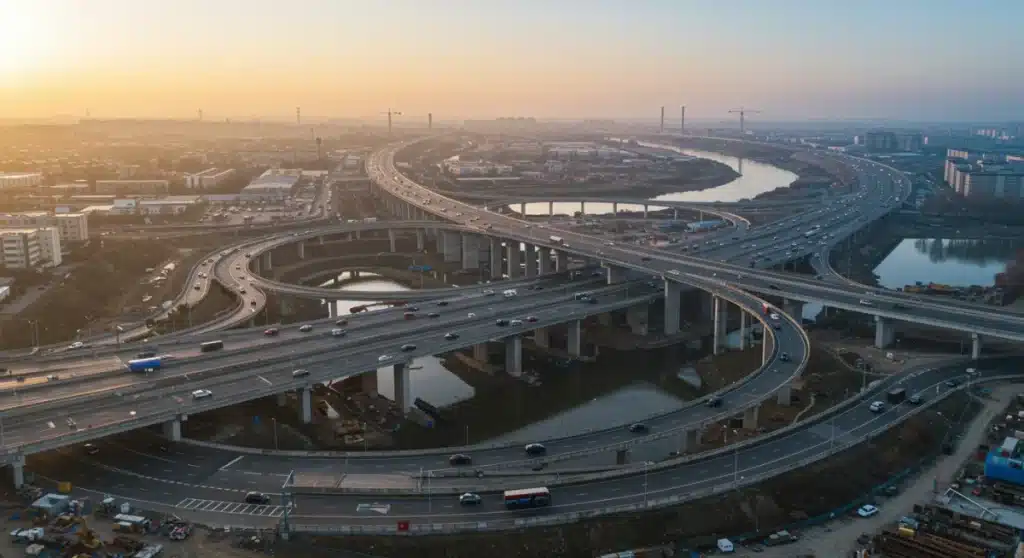
In densely populated urban centers, the focus often shifts to reducing traffic congestion, improving public transit connectivity, and modernizing aging urban infrastructure. Projects might include expanding light rail systems, dedicated bus lanes, intelligent traffic management systems, and the repair of heavily trafficked urban bridges. For example, a major city might receive funding to reconstruct a critical interchange that has been a bottleneck for decades, significantly improving commute times and reducing emissions.
Rural Areas: Connectivity and Economic Development
For rural communities, the IIJA is a lifeline for improving connectivity and fostering economic growth. Investments in rural roads and bridges can provide better access to markets for agricultural products, enhance tourism, and improve access to essential services like healthcare and education. A small town might use federal funds to replace an old, weight-restricted bridge that has hampered local commerce, enabling larger vehicles to pass through and supporting local businesses.
Coastal Regions: Climate Resilience and Flood Protection
Coastal regions, particularly those vulnerable to rising sea levels and extreme weather, will see investments in climate-resilient infrastructure. This includes elevating roadways, building stronger seawalls, and improving drainage systems to protect critical transportation links from flooding and storm surges. A coastal state could receive funding to rebuild a hurricane-damaged highway with higher elevation and more robust materials, ensuring its resilience against future storms.
Industrial Corridors: Supply Chain Optimization
Regions with significant industrial activity and freight movement will benefit from investments aimed at optimizing supply chains. This could involve upgrading highways near ports and rail yards, improving intermodal connections, and enhancing freight rail capacity. A state with a major port might use funds to expand highway access to the port, reducing truck dwell times and speeding up the movement of goods.
These examples illustrate how the diverse needs of different regions are being addressed through the flexible funding mechanisms of the IIJA. The ability of states and localities to identify their most pressing infrastructure challenges and apply for targeted funding is a key strength of the Infrastructure Bill Progress.
The Future Beyond 2026: Sustaining Infrastructure Investment
While this article primarily focuses on the Infrastructure Bill Progress and project timelines through 2026, it’s crucial to consider the long-term implications and the need for sustained infrastructure investment beyond this period. The IIJA provides a significant boost, but infrastructure development is an ongoing process that requires continuous attention and funding.
Maintaining Momentum
The challenge post-2026 will be to maintain the momentum generated by the IIJA. Infrastructure needs don’t disappear, and the newly built or repaired assets will require ongoing maintenance and occasional upgrades. Policymakers will need to consider sustainable funding mechanisms to ensure that the progress achieved is not eroded over time.
Adapting to New Technologies
The pace of technological change is accelerating, and future infrastructure will need to adapt. This includes preparing for autonomous vehicles, integrating smart city technologies, developing charging infrastructure for electric vehicles, and exploring new construction materials and methods that are more sustainable and resilient. Continuous investment in research and development, as supported by the IIJA, will be vital.
Addressing Emerging Challenges
Future infrastructure planning will also need to address emerging challenges, such as the increasing frequency and intensity of climate-related events, demographic shifts, and evolving transportation demands. Building adaptive and resilient infrastructure will be paramount to ensuring the nation’s long-term prosperity and security.
The Role of Public-Private Partnerships
Beyond federal funding, public-private partnerships (PPPs) are likely to play an increasingly important role in financing and delivering infrastructure projects. These partnerships can bring private capital, expertise, and efficiency to complex projects, complementing government efforts. The IIJA encourages the exploration of such partnerships where appropriate.
The Infrastructure Bill Progress through 2026 is laying a robust foundation for the future. However, it is just one chapter in the ongoing story of American infrastructure. The lessons learned, the innovations deployed, and the partnerships forged during this period will inform and shape future infrastructure policies, ensuring that the nation’s physical assets remain world-class and capable of supporting a thriving society for generations to come.
Conclusion: A New Era for American Infrastructure
The Infrastructure Investment and Jobs Act marks a historic turning point for the United States, ushering in an era of renewed commitment to its foundational assets. The allocation of $500 billion for roads and bridges stands as a testament to the nation’s resolve to address long-standing deficiencies and build for a more prosperous future. As we track the Infrastructure Bill Progress through 2026, we anticipate seeing tangible improvements in transportation networks across the country, from bustling urban highways to vital rural arteries.
The project timelines, while ambitious, reflect a methodical approach to planning, execution, and oversight. The economic benefits are already beginning to materialize, with significant job creation and stimulation of various industries. While challenges such as supply chain issues and workforce shortages persist, robust oversight mechanisms are in place to ensure accountability and maximize the impact of every dollar spent.
Ultimately, the IIJA is more than just a funding bill; it’s a strategic investment in America’s competitiveness, safety, and quality of life. By modernizing our roads and bridges, we are not only facilitating smoother commutes and more efficient commerce but also laying the groundwork for a resilient and sustainable future. The journey ahead will require continued dedication, collaboration, and innovation, but the initial Infrastructure Bill Progress through 2026 demonstrates a powerful commitment to rebuilding America stronger and better than ever before.
Author