Child Care Assistance 2026: Federal Subsidies Reducing Costs 30%

Child Care Assistance 2026: How Federal Subsidies Can Reduce Your Monthly Costs by Up to 30%
The rising cost of child care has become an overwhelming burden for countless families across the nation. For many, it’s a significant financial strain, often rivaling or even exceeding housing costs. The good news is that 2026 is poised to bring substantial relief through enhanced federal child care subsidies. These programs are designed to make quality child care more accessible and affordable, potentially cutting your monthly expenses by up to 30%. This comprehensive guide will delve into the specifics of these upcoming changes, helping you understand how to navigate the system and secure the financial support your family needs.
The Escalating Crisis of Child Care Costs
Before we explore the solutions, it’s crucial to understand the magnitude of the problem. Child care costs have been on a relentless upward trajectory for decades, far outstripping inflation and wage growth. In some states, the annual cost of infant care can exceed college tuition. This financial pressure forces difficult choices for parents, often leading one parent to reduce work hours or leave the workforce entirely, impacting family income and career progression. The economic ripple effect is profound, affecting not just individual families but also the broader economy.
The average annual cost for center-based child care for an infant ranges from approximately $9,000 to over $20,000, depending on the state and specific program. For families with multiple children, these figures multiply, creating an unsustainable financial burden. This situation highlights the urgent need for robust government intervention and the critical role that child care subsidies play in stabilizing family finances and promoting economic participation.
Understanding Federal Child Care Subsidies in 2026
Federal child care subsidies are financial aid programs designed to help low- and middle-income families afford child care. These subsidies typically cover a portion of the child care costs, making it more manageable for parents to work or attend educational programs. While the specifics can vary, the core objective remains the same: to alleviate the financial stress associated with child care.
In 2026, significant enhancements are anticipated for existing federal programs, particularly the Child Care and Development Block Grant (CCDBG) and potentially new initiatives aimed at expanding access and increasing the subsidy amounts. These changes are expected to broaden eligibility criteria, increase the maximum subsidy amounts, and streamline the application process, making it easier for more families to benefit from child care subsidies.
The Child Care and Development Block Grant (CCDBG)
The CCDBG is the primary federal funding source for child care assistance for low-income families. It provides funds to states, which then administer their own child care subsidy programs. These state programs operate under federal guidelines but have considerable flexibility in setting eligibility requirements, provider payment rates, and co-payment structures. The anticipated changes in 2026 are expected to inject more federal funding into the CCDBG, allowing states to:
- Expand Eligibility: Reach a greater number of families by raising income thresholds.
- Increase Subsidy Amounts: Cover a larger percentage of child care costs, leading to more substantial savings for families.
- Improve Quality: Invest in training for child care providers and enhance safety standards.
- Reduce Waiting Lists: Address the persistent problem of long waiting lists for subsidized care.
Families benefiting from these enhanced child care subsidies could see their monthly costs reduced by as much as 30% or even more, depending on their income, family size, and the cost of care in their specific location. This reduction is a game-changer for many households, freeing up funds for other essential needs or allowing parents to pursue better employment opportunities.
Who is Eligible for Child Care Subsidies in 2026?
Eligibility for federal child care subsidies is primarily determined by income, family size, and the need for child care (e.g., parents working or attending school). While the exact criteria will vary by state and could be updated in 2026, here’s a general overview of what to expect:
Income Thresholds
Most programs set income limits based on a percentage of the State Median Income (SMI) or the Federal Poverty Level (FPL). In 2026, it is projected that these income thresholds will be raised, allowing more moderate-income families to qualify. For instance, families earning up to 85% of the SMI (or even higher in some states) might become eligible. It’s crucial to check your state’s specific guidelines once they are released, as these can differ significantly.
Work or Education Requirements
Typically, parents or guardians must be working, looking for work, attending school, or participating in job training programs to qualify for child care subsidies. This requirement ensures that the assistance supports families striving for self-sufficiency and economic stability. Some states also provide subsidies for children with special needs, regardless of parental work status, or for families experiencing homelessness or domestic violence.
Child’s Age and Residency
Subsidies are generally available for children from birth through age 12, and sometimes up to age 18 for children with special needs. The child must reside with the applicant, and both the child and applicant must be legal residents of the state where the assistance is sought.
Provider Eligibility
The child care provider must also meet certain criteria. They typically need to be licensed or regulated by the state, participate in the state’s child care assistance program, and adhere to health and safety standards. This ensures that children receive care in safe and quality environments.
The Application Process: A Step-by-Step Guide
Applying for child care subsidies can seem daunting, but breaking it down into manageable steps can simplify the process. While specific procedures might vary slightly by state, the general framework remains consistent.

Step 1: Gather Necessary Documents
Before you begin, compile all required documentation. This typically includes:
- Proof of income for all adults in the household (pay stubs, tax returns, W-2s, unemployment benefits, etc.).
- Proof of residency (utility bills, lease agreements).
- Identification for all household members (birth certificates, driver’s licenses, social security cards).
- Proof of work, school, or training program enrollment (enrollment letters, work schedules, pay stubs).
- Information about your chosen child care provider (license number, contact information).
Step 2: Locate Your State’s Child Care Agency
Each state has a designated agency responsible for administering child care assistance programs, usually part of the Department of Social Services or Human Services. A quick online search for "child care assistance [Your State]" should lead you to the correct department and their official website. These websites often provide detailed information about eligibility, application forms, and local contact points.
Step 3: Complete the Application Form
Applications can often be completed online, in person, or by mail. Online applications are usually the most convenient. Fill out the form accurately and completely. Any missing information could delay the processing of your application. Be prepared to provide detailed information about your income, household composition, and child care needs.
Step 4: Submit Supporting Documents
Once your application is filled out, you’ll need to submit the supporting documents you gathered in Step 1. Many online portals allow you to upload scanned copies of these documents. If applying in person or by mail, ensure you send copies, not originals, unless specifically requested.
Step 5: Attend an Interview (If Required)
Some states or local agencies may require an interview to verify information or discuss your family’s specific needs. This is an opportunity to clarify any questions the agency might have and to ensure your application is processed smoothly.
Step 6: Await Notification and Approval
After submission, your application will be reviewed. The processing time can vary, but you should receive notification of your eligibility status within a few weeks. If approved, you will receive information about the amount of your subsidy, your family’s co-payment, and how payments will be made to your child care provider.
Maximizing Your Savings: Strategies for Families
While federal child care subsidies offer significant relief, there are additional strategies families can employ to further maximize their savings and ensure they are getting the most out of available resources.
Understand Your Co-payment
Most subsidy programs require families to pay a co-payment, which is a portion of the child care cost. This co-payment is typically calculated on a sliding scale based on your income and family size. Understanding how your co-payment is determined and what it covers is crucial for budgeting. If your income changes, report it promptly, as this could adjust your co-payment.
Explore State and Local Programs
In addition to federal subsidies, many states and local municipalities offer their own child care assistance programs, often targeting specific populations or needs. These might include programs for single parents, students, or families with children with disabilities. Researching these local options can provide additional layers of support.
Utilize Employer-Sponsored Benefits
Check if your employer offers any child care benefits. These can include Dependent Care Flexible Spending Accounts (FSAs), where you can set aside pre-tax dollars for child care expenses, or direct child care subsidies. Combining employer benefits with federal subsidies can lead to substantial overall savings.
Consider Different Child Care Options
While center-based care is popular, explore other options like family child care homes, in-home care, or after-school programs. The cost and subsidy coverage can vary across these different types of care. Some programs might be more affordable or offer more flexible hours that better suit your needs.
Advocate for Child Care Policies
Stay informed about ongoing legislative efforts regarding child care funding and advocate for policies that support affordable and accessible care. Your voice can contribute to long-term systemic changes that benefit all families. The more widespread support for these policies, the more likely they are to be sustained and expanded.
The Impact of 30% Cost Reduction: A Family’s Perspective
Imagine a family currently paying $1,500 per month for child care. A 30% reduction would mean saving $450 each month. Over a year, that’s an extra $5,400 back in their pockets. What could this mean for a family?
- Reduced Financial Stress: Less worry about making ends meet, providing a greater sense of security.
- Increased Disposable Income: Funds can be allocated to other essential needs like groceries, housing, or healthcare.
- Opportunity for Savings: Families can start or contribute more to emergency funds, college savings, or retirement.
- Career Advancement: Parents, particularly mothers, can more easily maintain full-time employment or pursue career development opportunities without the prohibitive cost of care.
- Improved Quality of Life: Overall well-being improves when financial burdens are eased, leading to a healthier and happier family environment.
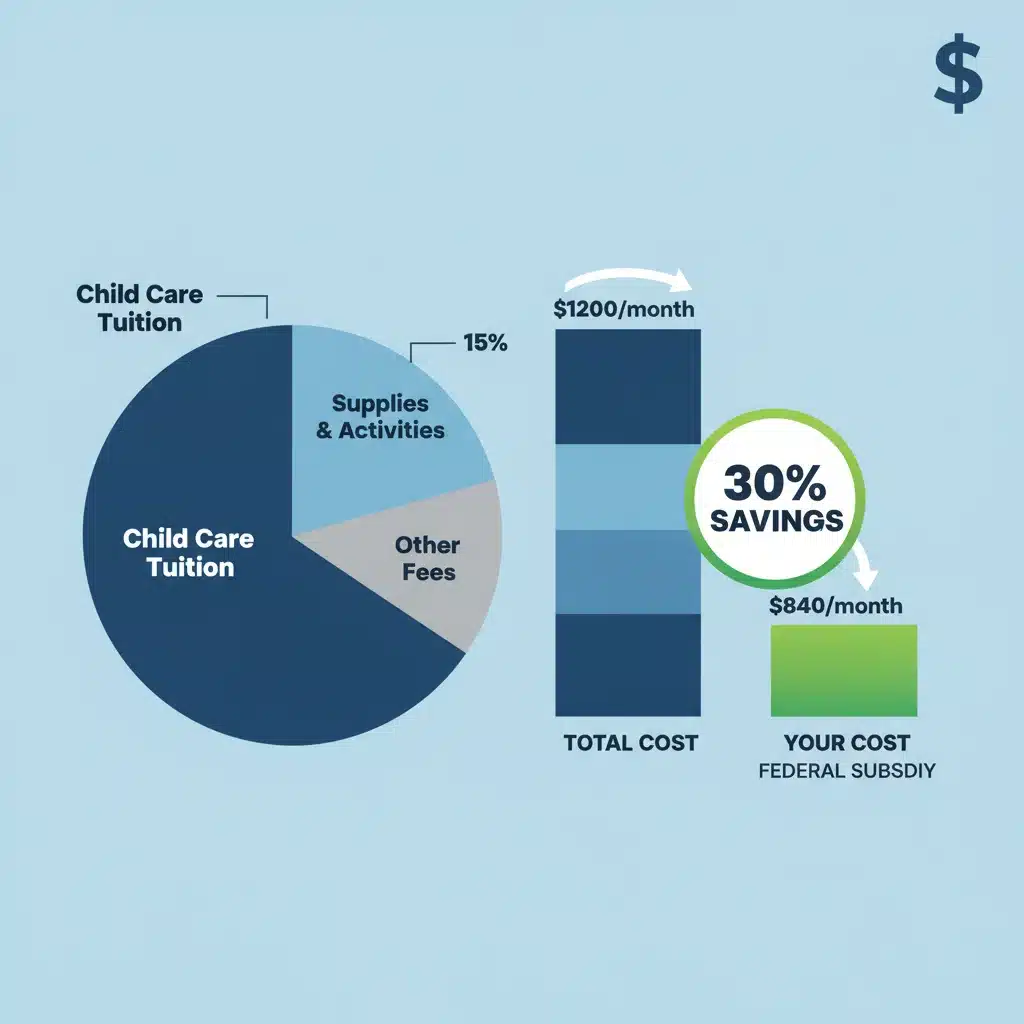
These anticipated child care subsidies in 2026 are not just about financial numbers; they are about empowering families, fostering economic growth, and ensuring that every child has access to quality early learning environments.
Future Outlook and Continued Support
The commitment to enhancing federal child care subsidies in 2026 reflects a growing recognition of child care as a critical piece of economic infrastructure. Policymakers are increasingly understanding that investing in early childhood education and care yields significant long-term benefits for children, families, and the economy as a whole.
While the 2026 changes are a positive step, advocacy groups and lawmakers continue to push for even more comprehensive and sustainable solutions. Families should stay informed about legislative developments and engage with their representatives to ensure that child care remains a top priority on the national agenda. The goal is to move towards a system where high-quality child care is truly affordable and accessible for all, not just a select few.
Resources for Staying Informed
To keep up-to-date with the latest information regarding child care subsidies and other assistance programs, consider regularly checking the following resources:
- Your State’s Department of Human Services or Social Services website: This is your primary source for state-specific eligibility and application details.
- Child Care Aware of America: A national non-profit that works with state and local child care resource and referral agencies, offering valuable information and support.
- National Women’s Law Center: Provides analysis and advocacy on child care policy.
- The U.S. Department of Health and Human Services, Administration for Children and Families (ACF): Offers federal-level information on child care programs.
By actively seeking out information and understanding the resources available, families can effectively plan and take advantage of the significant financial relief offered by these programs.
Conclusion: A Brighter Future for Families
The prospect of federal child care subsidies in 2026 reducing monthly costs by up to 30% offers a beacon of hope for millions of families struggling with the high price of child care. These enhancements promise to expand access, ease financial burdens, and empower parents to make choices that best suit their family’s needs and aspirations.
Understanding the eligibility criteria, navigating the application process, and leveraging additional savings strategies are key to unlocking these benefits. As we approach 2026, staying informed and proactive will be essential for families looking to take full advantage of this crucial support. The future of child care in America is evolving, and with these federal subsidies, a more affordable and accessible system is within reach, paving the way for stronger families and a more robust economy.
Author