Social Security Disability Benefits 2026: Expedite Your Application

Navigating the complex landscape of Social Security Disability Benefits can be an overwhelming experience, especially when you’re already dealing with a debilitating health condition. As we approach 2026, understanding the nuances of the application process and knowing how to expedite your claim is more crucial than ever. The Social Security Administration (SSA) receives millions of applications annually, and the wait times can be significant. This comprehensive guide will walk you through four practical steps to help you streamline your application for Disability Benefits 2026, increasing your chances of a quicker approval and securing the financial support you need.
The journey to obtaining Social Security Disability Benefits is often described as arduous, fraught with paperwork, medical evaluations, and bureaucratic hurdles. Many applicants face denials on their initial attempts, leading to appeals that can prolong the process for months, or even years. However, with the right strategy and meticulous preparation, you can significantly improve your application’s efficiency and outcome. Our focus here is on proactive measures and insights that will be particularly relevant for those seeking Disability Benefits 2026.
This article aims to demystify the process, providing actionable advice that goes beyond the basic instructions. We’ll delve into the specifics of what the SSA looks for, how to gather compelling evidence, the importance of professional assistance, and common pitfalls to avoid. By equipping yourself with this knowledge, you’ll be better prepared to present a strong and clear case to the SSA, potentially cutting down on the time it takes to receive a decision on your Disability Benefits 2026 application.
Understanding the Foundation: SSDI vs. SSI for Disability Benefits 2026
Before diving into the steps to expedite your application, it’s essential to understand the two main programs offered by the Social Security Administration: Social Security Disability Insurance (SSDI) and Supplemental Security Income (SSI). While both provide financial assistance to individuals with disabilities, their eligibility requirements differ significantly.
Social Security Disability Insurance (SSDI)
SSDI is designed for individuals who have worked and paid Social Security taxes for a sufficient number of years. It’s essentially an insurance program. Your eligibility for SSDI depends on your work history and the number of ‘work credits’ you’ve accumulated over time. Generally, you need 40 work credits, with 20 of those earned in the last 10 years ending with the year your disability began. The amount of your monthly benefit is based on your lifetime average earnings covered by Social Security. If you’re applying for Disability Benefits 2026 under SSDI, the SSA will review your earnings record thoroughly.
Supplemental Security Income (SSI)
SSI is a needs-based program for individuals who have limited income and resources, regardless of their work history. It’s funded by general tax revenues, not by Social Security taxes. To qualify for SSI, you must meet strict income and asset limits. While the medical definition of disability is the same for both programs, SSI has additional financial criteria. Many individuals may qualify for both SSI and SSDI, especially if their SSDI benefit is very low. When preparing your application for Disability Benefits 2026, it’s crucial to determine which program, or both, you might be eligible for, as this can influence the type of financial documentation you need to provide.
Understanding these distinctions is your first step towards a successful application. Misunderstanding which program you qualify for can lead to delays or even an initial denial. The SSA website offers tools to help you estimate your work credits and potential benefits, which can be a valuable resource as you begin your application for Disability Benefits 2026.
Step 1: Meticulous Preparation and Comprehensive Documentation
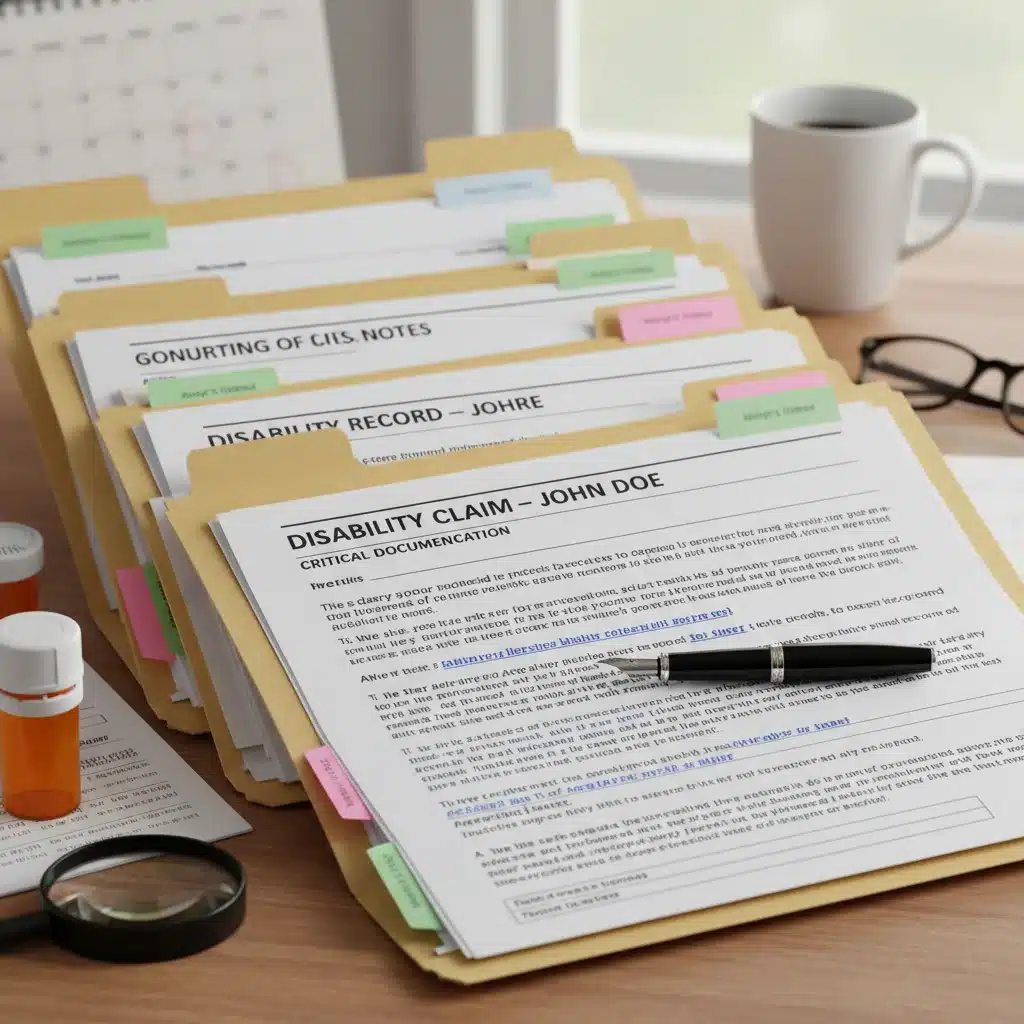
The single most critical factor in expediting your Social Security Disability application is the thoroughness and completeness of your initial submission. The SSA relies heavily on objective medical evidence to determine if your condition meets their definition of disability. Any missing information or inconsistencies can lead to requests for additional documentation, significantly delaying your claim.
Gathering All Relevant Medical Records
Start by compiling a complete history of your medical treatment related to your disabling condition. This includes:
- Doctor’s Notes and Reports: All office visit notes, progress reports, and consultations from every physician, specialist, therapist, and clinic you have seen. Ensure these records clearly describe your symptoms, diagnoses, prognoses, and how your condition limits your ability to perform daily activities and work-related tasks.
- Hospital Records: Discharge summaries, emergency room visits, and any inpatient treatment records.
- Test Results: X-rays, MRIs, CT scans, blood tests, nerve conduction studies, psychological evaluations, and any other diagnostic test results. These objective findings are paramount.
- Medication Lists: A comprehensive list of all medications, dosages, and the prescribing physicians, along with any reported side effects.
- Treatment History: Details of surgeries, therapies (physical, occupational, psychological), and other interventions, including their effectiveness.
It’s not just about collecting these documents; it’s about ensuring they paint a clear and consistent picture of your disability. The more detail your doctors provide about your functional limitations – what you can and cannot do – the stronger your case will be for Disability Benefits 2026.
Personal Statements and Witness Accounts
While medical evidence is primary, your personal statement and statements from those who know you well can provide valuable context. Your statement should describe your daily life with your disability, outlining how your condition impacts your ability to perform routine tasks, personal care, and social interactions. Family members, friends, or former employers can also provide written statements detailing their observations of your limitations. These narratives can humanize your application and complement the medical evidence for your Disability Benefits 2026 claim.
Work History Information
If applying for SSDI, you’ll need to provide a detailed work history for the past 15 years. This includes job titles, dates of employment, duties performed, and how your disability prevents you from performing these or similar jobs. Be precise and thorough, as this information helps the SSA assess your ability to engage in substantial gainful activity (SGA).
Step 2: Effective Communication with Medical Providers and the SSA
Clear and consistent communication is vital throughout the application process. Your medical providers play an indispensable role, and your interactions with the SSA can significantly impact the speed of your claim for Disability Benefits 2026.
Engaging Your Doctors
Your doctors are your most important allies. Discuss your intention to apply for disability benefits with them early on. Explain that the SSA needs detailed information about your functional limitations, not just a diagnosis. Ask them to document your symptoms, prognosis, and specifically how your condition affects your ability to work and perform daily activities. A doctor’s opinion stating that you are unable to work due to your condition, backed by objective medical findings, carries significant weight. Encourage them to use specific language regarding your limitations, such as ‘cannot stand for more than 15 minutes’ or ‘requires frequent rest breaks.’ This kind of detail is invaluable for your Disability Benefits 2026 application.
Responding Promptly to SSA Requests
The SSA may send requests for additional information, medical records, or to schedule consultative examinations (CEs). Respond to these requests immediately. Delays in providing requested information are a primary cause of application holdups. If you receive a notice to attend a CE, it is crucial to go, even if you believe your own doctors’ records are sufficient. Failing to attend a scheduled CE can lead to an automatic denial of your Disability Benefits 2026 application.
Keeping a Detailed Log
Maintain a meticulous log of all communications with the SSA and your medical providers. This includes dates, names of individuals you spoke with, what was discussed, and any actions taken or promised. Keep copies of all correspondence sent and received. This log can be invaluable if there are any discrepancies or if you need to follow up on specific requests regarding your Disability Benefits 2026.
Step 3: Consider Professional Assistance – Attorneys or Advocates
While you can apply for Social Security Disability Benefits on your own, retaining the services of a qualified disability attorney or advocate can dramatically improve your chances of approval and expedite the process. Statistics consistently show that applicants represented by legal professionals have a significantly higher success rate.
Expertise in Disability Law
Disability attorneys and advocates specialize in Social Security law. They understand the SSA’s complex rules, regulations, and what constitutes a strong claim. They can help you:
- Evaluate Your Case: Determine the strength of your claim and identify any potential weaknesses.
- Gather Medical Evidence: Assist in obtaining comprehensive medical records and communicate effectively with your doctors to ensure the necessary information is documented.
- Complete Paperwork Accurately: Ensure all forms are filled out correctly and completely, avoiding common errors that lead to delays or denials.
- Represent You at Hearings: If your claim is denied at the initial or reconsideration level, an attorney can represent you at a hearing before an Administrative Law Judge (ALJ), presenting your case, cross-examining vocational and medical experts, and making legal arguments on your behalf.
- Navigate Appeals: Guide you through the appeals process, including filing appeals councils reviews and federal court appeals if necessary.
Their experience can be particularly valuable in framing your medical evidence in a way that directly addresses the SSA’s criteria for disability, a crucial aspect for a successful Disability Benefits 2026 application.
No Upfront Fees
Most disability attorneys and advocates work on a contingency basis, meaning they only get paid if you win your case. Their fees are capped by law at 25% of your past-due benefits (back pay) or $7,200, whichever is less (as of 2023, subject to change). This arrangement makes legal representation accessible to everyone, regardless of their current financial situation. Investing in professional help can save you significant time and stress in the long run, making it a worthwhile consideration for your Disability Benefits 2026 claim.

Step 4: Understanding and Utilizing SSA’s Expedited Processes
While the general application process can be lengthy, the SSA does have mechanisms in place to expedite certain claims. Knowing if you qualify for one of these can significantly shorten your wait time for Disability Benefits 2026.
Compassionate Allowances (CAL)
The Compassionate Allowances program identifies certain diseases and medical conditions that, by definition, meet the SSA’s standards for disability. These conditions are typically severe, rapidly progressive, and almost always result in death or a permanent inability to work. If your condition is on the CAL list, your application can be fast-tracked, often resulting in approval within weeks rather than months. Examples include certain aggressive cancers, early-onset Alzheimer’s disease, and specific rare genetic disorders. The SSA regularly updates its CAL list, so it’s important to check if your condition qualifies when applying for Disability Benefits 2026.
Terminal Illness (TERI)
The Terminal Illness (TERI) program is another fast-track process for applicants whose medical condition is untreatable and expected to result in death. If your doctor indicates that your condition is terminal, or if you are receiving hospice care, your application can be flagged for expedited processing. This ensures that individuals facing the most severe health challenges receive their benefits as quickly as possible. When submitting your Disability Benefits 2026 application, make sure any terminal diagnosis is clearly stated in your medical records.
Quick Disability Determinations (QDD)
The Quick Disability Determinations (QDD) process uses a computer-based predictive model to identify claims with a high probability of allowance. These claims are then forwarded for expedited medical review. QDD is not based on a specific list of conditions like CAL, but rather on patterns found in the submitted medical evidence. While you cannot directly apply for QDD, ensuring your medical records are comprehensive and clearly demonstrate severe limitations can increase the likelihood of your application being selected for this expedited review process for Disability Benefits 2026.
Wounded Warriors and Veterans
The SSA also expedites claims for military service members who have sustained injuries or illnesses on active duty since October 1, 2001, regardless of where or how the disability occurred. If you are a veteran with a 100% permanent and total disability rating from the Department of Veterans Affairs (VA), your Social Security Disability application will also be expedited. Be sure to inform the SSA of your veteran status and provide any relevant VA documentation when applying for Disability Benefits 2026.
Common Pitfalls to Avoid in Your Disability Benefits 2026 Application
Beyond the steps to expedite your application, it’s equally important to be aware of common mistakes that can cause significant delays or even lead to denial. Avoiding these pitfalls will strengthen your claim for Disability Benefits 2026.
Incomplete or Inaccurate Applications
This is arguably the most common reason for delays. Every question on the application forms is there for a reason. Do not leave blanks. If a question doesn’t apply, write ‘N/A.’ Ensure all personal information, contact details, and dates are accurate. Double-check everything before submission. An incomplete application will almost certainly result in the SSA sending it back for more information, adding weeks or months to your waiting period for Disability Benefits 2026.
Lack of Consistent Medical Treatment
The SSA needs to see that you are actively seeking and receiving medical treatment for your disabling condition. Gaps in treatment can suggest that your condition is not as severe as claimed or that you are not compliant with your doctor’s recommendations. Even if treatment isn’t curing your condition, consistent medical care helps document your symptoms, limitations, and the ongoing nature of your disability. If you cannot afford treatment, explain this clearly to the SSA, as they may be able to direct you to low-cost or free clinics. Maintaining consistent treatment records is paramount for your Disability Benefits 2026 application.
Failure to Follow Through with Consultative Exams (CEs)
As mentioned earlier, failing to attend a scheduled consultative examination (CE) can lead to an immediate denial. These exams are conducted by doctors hired by the SSA to provide an independent assessment of your condition. While frustrating, they are a required part of the process for many applicants. If you have a valid reason for missing an appointment, contact the SSA immediately to reschedule and provide documentation for your absence. Prioritizing these appointments is crucial for your Disability Benefits 2026.
Understating or Overstating Symptoms
Be truthful and consistent when describing your symptoms and limitations. Understating your pain or limitations might lead the SSA to believe your condition is not severe enough. Conversely, exaggerating can undermine your credibility. Provide a realistic and detailed account of how your disability affects your daily life and ability to work. Your statements should align with your medical records for a strong Disability Benefits 2026 claim.
Ignoring Deadlines
The SSA provides strict deadlines for responding to requests for information or filing appeals. Missing these deadlines can result in the closure of your application or the loss of your right to appeal. Always note deadlines and respond well in advance. If you anticipate difficulty meeting a deadline, contact the SSA immediately to request an extension. Timeliness is key to preventing unnecessary delays in your pursuit of Disability Benefits 2026.
Not Keeping Copies of Everything
Always keep a copy of every document you submit to the SSA and every letter or notice you receive from them. This includes your application, medical records, and any other forms. This practice is vital for your own records and can be invaluable if something gets lost or if you need to reference specific information during the process for Disability Benefits 2026.
The Appeals Process: What to Expect if Denied
Despite your best efforts, many initial applications for Social Security Disability Benefits are denied. It’s crucial to understand that a denial is not the end of your journey. The SSA has a multi-tiered appeals process, and many applicants are approved at later stages.
Reconsideration
This is the first level of appeal. Your case will be reviewed by a different examiner who was not involved in the initial decision. You can submit new medical evidence at this stage. It’s important to act quickly, as you typically have 60 days from the date of the denial letter to file for reconsideration. Many applicants find that having a disability attorney at this stage can be beneficial for their Disability Benefits 2026 application.
Hearing by an Administrative Law Judge (ALJ)
If your reconsideration is denied, the next step is a hearing before an Administrative Law Judge (ALJ). This is often where applicants have the highest chance of success. An ALJ hearing is a more formal proceeding where you, your attorney, and any witnesses can present testimony. Medical and vocational experts may also testify. This is why having an attorney who can skillfully present your case and cross-examine experts is so valuable for your Disability Benefits 2026 claim.
Appeals Council Review
If the ALJ denies your claim, you can request a review by the Appeals Council. The Appeals Council will determine if the ALJ’s decision was legally sound and supported by the evidence. They may send the case back to the ALJ for a new hearing or overturn the decision themselves.
Federal Court Review
The final step in the appeals process is to file a lawsuit in federal district court. This is a complex legal proceeding and almost always requires the assistance of an attorney. While the appeals process can be lengthy, persistence, especially with strong evidence and legal representation, often pays off for those seeking Disability Benefits 2026.
Conclusion: Proactive Steps for Your Disability Benefits 2026 Application
Applying for Social Security Disability Benefits in 2026 requires diligence, patience, and a strategic approach. By meticulously preparing your documentation, maintaining open and effective communication with your medical providers and the SSA, considering professional legal assistance, and understanding the SSA’s expedited processes, you can significantly increase your chances of a timely and favorable outcome.
Remember, the goal is to present a clear, consistent, and medically supported narrative of your disability and its impact on your ability to work. Do not get discouraged by initial denials, as the appeals process is a common path to approval. By taking these four practical steps, you are not just applying for benefits; you are advocating for your future and ensuring you receive the support you rightfully deserve for your Disability Benefits 2026.
Start early, stay organized, and don’t hesitate to seek expert advice. Your well-being depends on it.
Author