Federal Funding for STEM Education in 2026: New Initiatives
Federal Funding for STEM Education in 2026: How New Initiatives Benefit Students and Schools
The landscape of education is constantly evolving, and at the forefront of this transformation is the critical area of Science, Technology, Engineering, and Mathematics (STEM). As we look ahead to 2026, federal funding for STEM education is poised to undergo significant enhancements, driven by a national imperative to foster innovation, economic growth, and global competitiveness. These new initiatives are not just about allocating more resources; they represent a strategic reimagining of how we prepare future generations for the challenges and opportunities of a technologically advanced world. Understanding the scope and impact of these changes is crucial for educators, policymakers, students, and parents alike.
The United States has long recognized the importance of a strong STEM workforce. From the space race to the digital revolution, advancements in these fields have driven progress and prosperity. However, maintaining leadership requires continuous investment and adaptation. The federal government’s commitment to STEM education funding in 2026 reflects a proactive approach to address existing gaps, promote equitable access, and cultivate a pipeline of talent that can meet the demands of emerging industries. This article will delve into the specifics of these new initiatives, exploring how they are designed to benefit students across all educational levels and empower schools to deliver cutting-edge STEM instruction.
The Strategic Imperative for Enhanced STEM Education Funding
Why is there such a strong focus on increasing and refining federal funding for STEM education in 2026? The reasons are multifaceted and deeply rooted in national priorities. Firstly, global competition in scientific and technological innovation is intensifying. Nations worldwide are investing heavily in STEM, and the U.S. must ensure its students are not only competitive but also leading the charge in discovery and invention. Secondly, the job market is undergoing a profound shift. Industries like artificial intelligence, biotechnology, renewable energy, and advanced manufacturing are experiencing rapid growth, creating a high demand for skilled STEM professionals. A robust STEM education system is essential to fill these roles and drive economic prosperity.
Moreover, STEM education is not just about producing scientists and engineers; it’s about fostering critical thinking, problem-solving skills, and innovation—qualities that are valuable in every sector of life. These skills are fundamental for informed citizenry and active participation in a complex, data-driven society. The federal government’s strategic investment acknowledges that a well-educated populace in STEM fields is a cornerstone of national security, economic resilience, and societal well-being. The initiatives planned for 2026 are designed to address these broad objectives, ensuring that federal funding is deployed effectively to maximize impact.
Key Pillars of the 2026 STEM Funding Initiatives
The forthcoming federal funding for STEM education in 2026 is structured around several key pillars, each designed to tackle specific challenges and leverage unique opportunities within the educational landscape. These pillars are interconnected, aiming to create a comprehensive and supportive ecosystem for STEM learning from early childhood through higher education and beyond.
- Early Childhood STEM Exposure: Recognizing that foundational learning begins at a young age, new programs will focus on introducing STEM concepts in preschool and elementary settings. This includes funding for age-appropriate curricula, teacher training in early STEM pedagogy, and resources for hands-on exploratory learning.
- K-12 Curriculum Modernization: Significant investment will be directed towards updating K-12 STEM curricula to reflect current scientific discoveries and technological advancements. This includes integrating computational thinking, data science, and engineering design principles into standard coursework.
- Teacher Professional Development and Recruitment: A critical component of any educational improvement is the quality of its educators. New funding will support robust professional development programs for existing STEM teachers and incentivize highly qualified individuals to enter the teaching profession, particularly in underserved areas.
- Expanding Access and Equity: Addressing disparities in STEM education is a paramount goal. Initiatives will target underrepresented groups (women, minorities, rural students, students with disabilities) by funding programs that provide mentorship, scholarships, and accessible learning environments. This includes support for community-based STEM organizations and after-school programs.
- Strengthening Higher Education Pathways: Funding will bolster university-level STEM programs, supporting research, graduate studies, and interdisciplinary collaborations. Emphasis will be placed on workforce development, ensuring that higher education institutions are producing graduates with skills aligned with industry needs.
- Public-Private Partnerships: Encouraging collaboration between educational institutions, government agencies, and private industry will be a significant focus. This will facilitate internships, apprenticeships, and direct industry input into curriculum development, ensuring that education remains relevant to real-world applications.
Each of these pillars is supported by specific funding mechanisms and accountability measures, ensuring that the federal investment yields tangible improvements in STEM education outcomes. The holistic approach aims to create a continuous and reinforcing cycle of learning and innovation.
Benefits for Students: A Future-Ready Generation
The direct beneficiaries of increased federal funding for STEM education in 2026 will undoubtedly be the students themselves. These initiatives promise to open doors to unparalleled learning experiences, equipping them with the knowledge and skills necessary to thrive in an increasingly complex world. From enhanced classroom resources to expanded extracurricular opportunities, the impact will be felt across various dimensions of their educational journey.
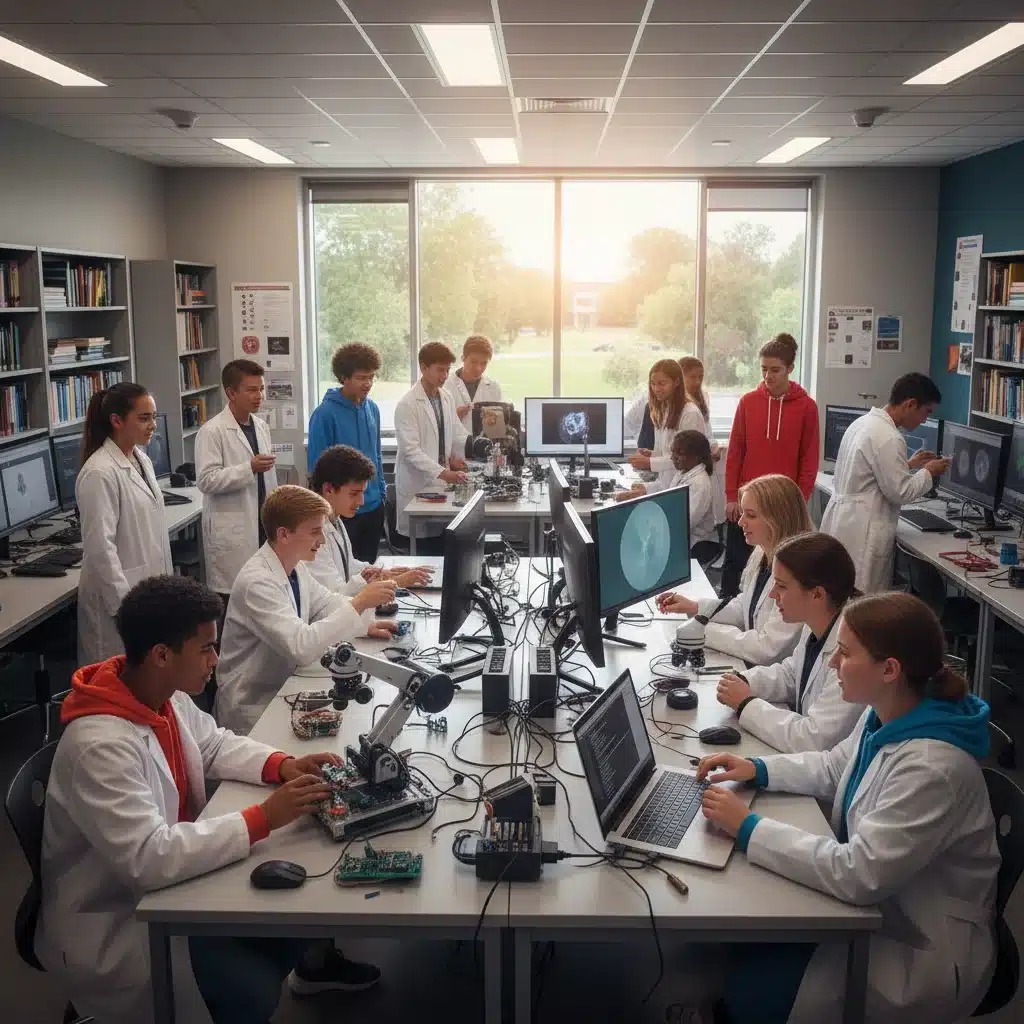
Students can expect access to more advanced technology in their classrooms, including robotics kits, 3D printers, virtual reality tools, and sophisticated scientific equipment. This hands-on exposure to cutting-edge tools will not only make learning more engaging but also provide practical experience that is invaluable for future careers. Furthermore, the focus on modernized curricula means that students will be learning about the most current scientific theories and technological applications, ensuring their education remains relevant and forward-thinking.
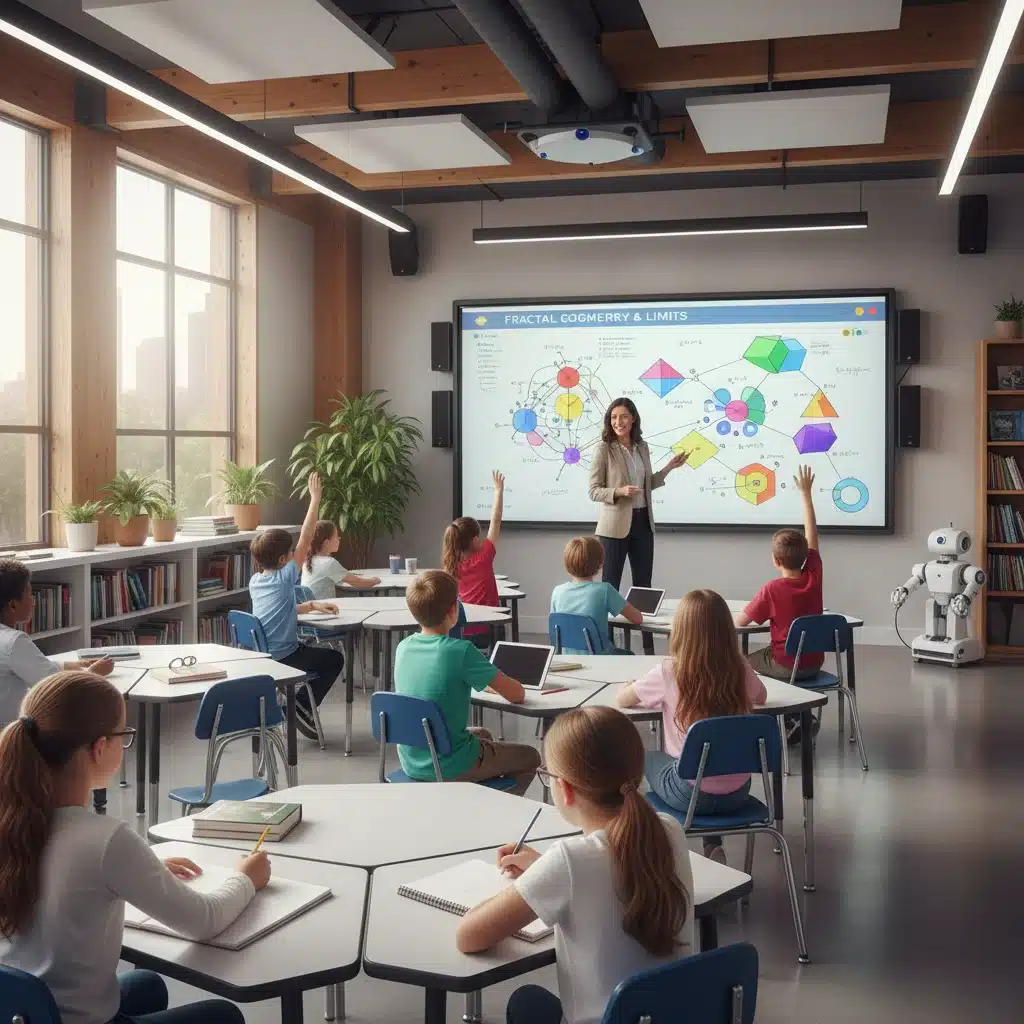
Perhaps one of the most significant benefits will be the increased availability of highly qualified and passionate STEM educators. With enhanced professional development and recruitment efforts, students will be taught by teachers who are not only experts in their fields but also skilled in innovative pedagogical approaches. This will lead to more effective instruction, deeper understanding, and greater inspiration for students to pursue STEM pathways. Mentorship programs, particularly those targeting underrepresented groups, will provide crucial guidance and support, helping students navigate academic and career choices.
Moreover, the emphasis on expanding access and equity means that students from all socioeconomic backgrounds and geographic locations will have a better chance to engage with high-quality STEM education. This includes dedicated resources for rural schools, urban centers, and communities that have historically lacked adequate STEM opportunities. By fostering an inclusive environment, these initiatives aim to unlock the full potential of every student, regardless of their starting point.
Empowering Schools: Resources for Innovation and Growth
Schools, as the primary delivery mechanism for education, stand to gain immensely from the federal funding influx in 2026. These initiatives are designed to provide schools with the resources, flexibility, and support needed to transform their STEM programs and create environments conducive to 21st-century learning. The impact will extend from infrastructure improvements to pedagogical enhancements and community engagement.
Infrastructure and Technology Upgrades
Many schools, particularly those in underserved areas, grapple with outdated infrastructure and a lack of modern technology. The new funding will enable significant upgrades, allowing schools to invest in state-of-the-art science labs, computer facilities, and engineering workshops. This includes the procurement of advanced equipment, software licenses, and robust internet connectivity, all of which are essential for delivering contemporary STEM education. These upgrades will not only enhance the learning experience but also attract and retain talented teachers.
Curriculum Development and Implementation Support
Developing and implementing new STEM curricula can be a daunting task for schools. Federal funding will provide support for curriculum development, offering schools access to expert resources, model programs, and professional learning communities. This ensures that new content is aligned with national standards, incorporates best practices, and is adaptable to diverse student needs. Furthermore, funding will assist with the integration of interdisciplinary approaches, helping schools break down traditional subject silos and foster a more holistic understanding of STEM concepts.
Teacher Training and Retention Programs
The quality of teaching is paramount. Schools will benefit from dedicated funding for comprehensive teacher professional development programs. These programs will cover topics such as inquiry-based learning, project-based learning, computational thinking, and the effective use of educational technology. Additionally, initiatives to recruit and retain STEM teachers, including scholarships for aspiring educators and incentives for experienced teachers to work in high-need schools, will help address the persistent shortage of qualified STEM instructors. This sustained investment in the teaching workforce is critical for long-term success.
Community Engagement and Partnerships
The 2026 initiatives also emphasize the importance of forging strong ties between schools and their communities. Funding will support the establishment of public-private partnerships, allowing schools to collaborate with local businesses, universities, and non-profit organizations. These partnerships can lead to valuable internship opportunities for students, mentorship programs, guest speakers, and access to specialized facilities. By connecting learning to real-world applications and career pathways, schools can make STEM education more relevant and inspiring for their students.
Addressing Challenges and Ensuring Equitable Implementation
While the prospect of increased federal funding for STEM education in 2026 is exciting, it is also important to acknowledge potential challenges and ensure that the implementation is equitable and effective. One primary concern is ensuring that funding reaches the schools and students who need it most, avoiding a widening of the gap between well-resourced and under-resourced institutions. The new initiatives are designed with equity at their core, specifically targeting underserved communities and underrepresented groups.
Another challenge lies in the effective utilization of funds. Schools will need clear guidance, technical assistance, and strong leadership to implement new programs successfully. The federal government will likely provide resources for program evaluation and best practice sharing to help schools maximize the impact of their investments. Accountability measures will also be crucial to ensure that funds are used for their intended purpose and are producing measurable results.

Teacher buy-in and ongoing support are also vital. Introducing new curricula and pedagogical approaches requires professional learning opportunities that are relevant, sustained, and empower teachers to adapt and innovate. The initiatives will need to provide continuous support systems for educators, including access to mentors, peer learning networks, and resources for ongoing professional growth. Without this, even the best-funded programs may struggle to achieve their full potential.
The Role of Data and Evaluation
A key aspect of the 2026 federal funding strategy will be a strong emphasis on data collection and program evaluation. By systematically tracking outcomes, such as student achievement in STEM subjects, participation rates of underrepresented groups, and post-secondary STEM enrollment, policymakers can assess the effectiveness of different initiatives and make data-driven adjustments. This continuous feedback loop is essential for optimizing the impact of federal investment and ensuring long-term success. Schools will be encouraged to implement robust data tracking systems to contribute to this national effort.
Preparing for the Future: A Call to Action
The anticipated federal funding for STEM education in 2026 represents a pivotal moment for the future of learning in the United States. It’s an opportunity to reinvigorate our educational system, inspire a new generation of innovators, and secure the nation’s position as a global leader in science and technology. For this vision to become a reality, concerted effort from all stakeholders is required.
For educators, this is an invitation to embrace new pedagogies, seek out professional development opportunities, and actively engage in curriculum modernization. For school administrators, it’s a call to strategically plan for infrastructure upgrades, foster community partnerships, and support their teaching staff. For parents and students, it’s an encouragement to explore the vast and exciting world of STEM, to ask questions, experiment, and pursue curiosity.
Policymakers at all levels, from local school boards to federal agencies, must continue to champion these initiatives, ensuring that funding is sustained, equitable, and responsive to the evolving needs of the educational landscape. The long-term success of these programs will depend on a collective commitment to fostering a culture of innovation and scientific literacy across the nation.
Conclusion: A Brighter Future Through STEM
The federal funding for STEM education in 2026 is more than just a financial investment; it’s an investment in the intellectual capital and future prosperity of the United States. By focusing on early exposure, curriculum modernization, teacher development, equity, and strategic partnerships, these new initiatives promise to transform STEM learning experiences for millions of students. As we move closer to 2026, the collaboration between government, educational institutions, industry, and communities will be paramount in realizing the full potential of these ambitious plans. The goal is clear: to equip every student with the STEM skills and critical thinking abilities needed to innovate, solve complex problems, and contribute meaningfully to a rapidly changing world. A strong foundation in STEM education is not merely an option; it is a necessity for a brighter, more prosperous future for all.
Author