Gas price fluctuations this summer: what to expect
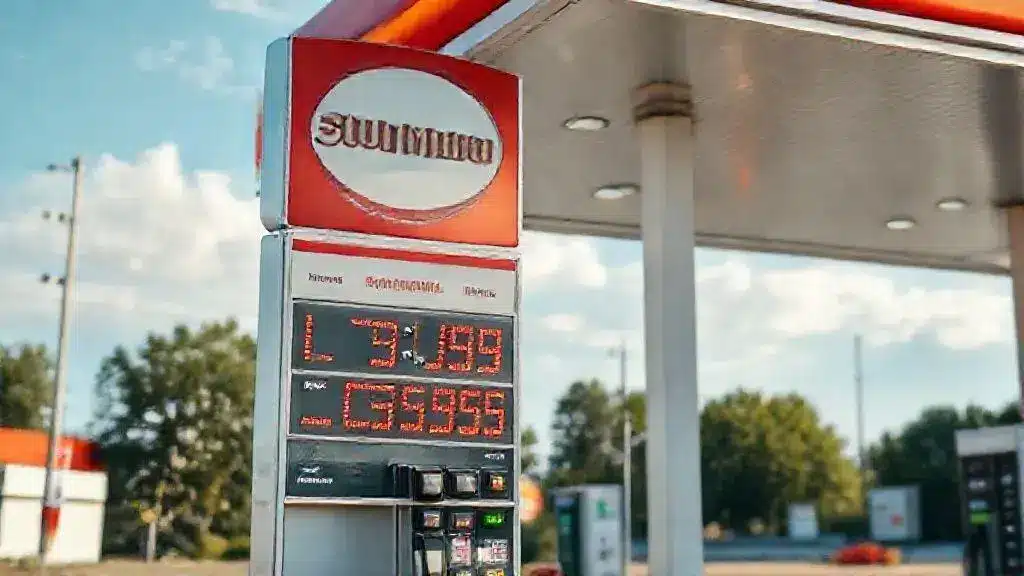
Gas price fluctuations during summer result from increased travel demand and seasonal fuel changes, significantly impacting consumer budgets and requiring careful financial planning.
This summer, gas price fluctuations are on everyone’s radar. Whether you’re planning a road trip or just commuting, knowing what to expect can save you money. Let’s dive into why prices are shifting and how you can prepare.
Understanding the factors behind gas prices
Understanding the factors behind gas prices is essential for anyone who drives. Various elements influence how much we pay at the pump. In this section, we will explore some of the key factors that lead to fluctuations in prices.
Supply and Demand
The basic economic principle of supply and demand plays a significant role in gas prices. When demand increases, especially in summer months, prices tend to rise. Conversely, when demand drops, prices often decrease.
Global Oil Markets
Gasoline prices are heavily influenced by global oil markets. The price of crude oil, which is the main ingredient in gasoline, can change rapidly due to geopolitical tensions, natural disasters, or changes in production levels by major oil-producing countries. For instance, OPEC’s decisions can lead to higher prices if they choose to cut supply.
Refining Costs and Profit Margins
The process of turning crude oil into gasoline involves various costs, including refining, distribution, and taxes. If refining capacity is limited due to maintenance or unforeseen events, this can increase prices. Additionally, refiners’ profit margins can shift, impacting what consumers pay.
- Increased demand during holidays and summer vacations can raise prices.
- Natural disasters affecting oil rigs or refineries can cause temporary spikes.
- Seasonal blends of gasoline are often more expensive to produce.
Local factors also play a significant role. Regional taxes, transportation costs, and competition among gas stations can lead to significant price variations from one area to another. Understanding these influences helps consumers better navigate their expenses.
As we look ahead, keeping an eye on these factors can give drivers insight into potential changes in gas prices. Being aware of global and local influences allows for smarter budgeting for fuel needs.
How summer travel affects gas price trends
How does summer travel affect gas price trends? As temperatures rise, more people hit the road for vacations and family visits. This increased demand can lead to significant changes in fuel prices.
Increased Demand
During the summer months, travel spikes, especially around holidays like the Fourth of July. More cars on the road means more fuel consumption. When demand is high, it often causes prices to soar.
Seasonal Price Variations
Gas prices usually start to climb in late spring as summer approaches. Refineries switch to producing more expensive summer-blend gasoline, which is formulated to reduce emissions. This transition can also lead to higher prices at the pump.
- Gas stations may raise prices to capitalize on increased travel.
- High demand can strain supply, pushing prices even higher.
- Expect regional variations; popular travel destinations often see higher prices.
Moreover, factors such as road conditions and construction can add to congestion, making it vital for drivers to plan trips accordingly. Knowing when and where prices will increase can save money.
Regions that see numerous tourists may experience more volatile pricing due to competition among stations. If you’re traveling in popular areas, always check for local gas prices before filling up.
As you plan your summer trips, keep an eye on gas price trends. Understanding the seasonal shifts can help you budget better and avoid paying more than necessary.
Comparative analysis of this summer’s prices

A comparative analysis of this summer’s prices reveals significant trends in the gas market. It’s essential to understand how prices this year stack up against previous seasons. Analyzing these trends provides insight into what consumers might expect moving forward.
This Summer vs. Last Summer
When comparing this summer’s prices to last summer’s, we see a general upward trend. Year-over-year increases can often be attributed to various factors, including changes in demand and global oil supply dynamics.
Regional Price Differences
Prices can vary significantly from one region to another. For example, coastal areas may experience higher prices due to transportation costs and tourist demand. Understanding these differences is crucial for consumers looking to save on fuel costs.
- Regions heavily impacted by wildfires may also see fluctuations in price due to supply chain disruptions.
- States with higher taxes on gasoline generally have higher prices.
- Urban areas often have more competitive pricing compared to rural locations.
Tracking weekly price changes can reveal patterns, helping consumers decide when to fill up their tanks. Some consumers may find it beneficial to monitor local trends to maximize savings.
In addition, this summer has seen higher pricing due to refined gasoline blends that promote better air quality. These blends are often more expensive to produce, leading to an increase in gas prices.
Tips for budgeting for higher gas costs
Budgeting for higher gas costs is essential for maintaining financial stability, especially during the summer months when prices tend to spike. Knowing how to plan ahead can save you money and reduce stress.
Track Your Expenses
Start by monitoring your gas spending over a few weeks. Keeping a log of how much you spend on fuel can give you a clearer picture of your needs. This helps in understanding your average monthly costs, making it easier to create a realistic budget.
Set a Monthly Gas Budget
Once you know your average spending, set a monthly budget specifically for gas. This allows you to allocate funds ahead of time, making it easier to stick to your overall financial plan.
- Consider raising your budget during peak summer travel months.
- Account for potential price increases based on historical trends.
- Review and adjust your budget monthly based on changes in gas prices.
Additionally, think about reducing trips that may not be necessary. Carpooling or combining errands into one trip can save both time and fuel. This approach not only helps with budgeting but also reduces overall gas consumption.
Using applications and websites to compare local gas prices can help you make informed decisions about where to fill up. Signing up for loyalty programs at your preferred gas stations can also provide savings through discounts and rewards.
Predictions for the coming months
Predictions for the coming months regarding gas prices are crucial for consumers and businesses alike. Understanding what might happen can help people plan their finances better and make informed decisions.
Market Trends
Experts predict that gas prices may continue to fluctuate due to various factors. Global oil production levels are a significant influence. If OPEC decides to cut production, prices are likely to rise. Monitoring international news can give hints about potential price changes.
Seasonal Influences
As we move into fall, demand typically decreases after the summer travel season ends. This may lead to lower prices. However, if hurricanes or natural disasters occur, they could disrupt supply chains and affect prices negatively.
- Watch for seasonal shifts when the demand normally drops.
- Consider local and regional impacts that could affect supply.
- Stay informed about geopolitical issues that could escalate and disrupt oil supply.
In addition, the development of alternative energy sources is slowly changing the landscape of the fuel market. As electric vehicles and renewable energy become more popular, traditional gas demand may decline, affecting prices. Consumers are encouraged to keep an eye on trends in these areas.
Overall, while predictions can be uncertain, staying aware of the market and external factors can help you anticipate changes and adjust your budget accordingly.
FAQ – Frequently Asked Questions about Gas Price Fluctuations
Why do gas prices fluctuate so much during the summer?
Gas prices often rise in summer due to increased demand from travelers and the transition to summer-grade gasoline, which is more expensive to produce.
How can I budget for rising gas prices?
To budget effectively, track your gas expenses, set a monthly budget, and consider strategies like carpooling to reduce costs.
What factors influence gas prices year-round?
Factors include global oil supply and demand, seasonal travel trends, local taxes, and geopolitical events that can disrupt supply chains.
How can I find the best local gas prices?
Use mobile apps and websites that track gas prices in your area, allowing you to compare and find the lowest prices.
Author