NOAA’s 2026 Hurricane Season Forecast: Preparing for an Active Future
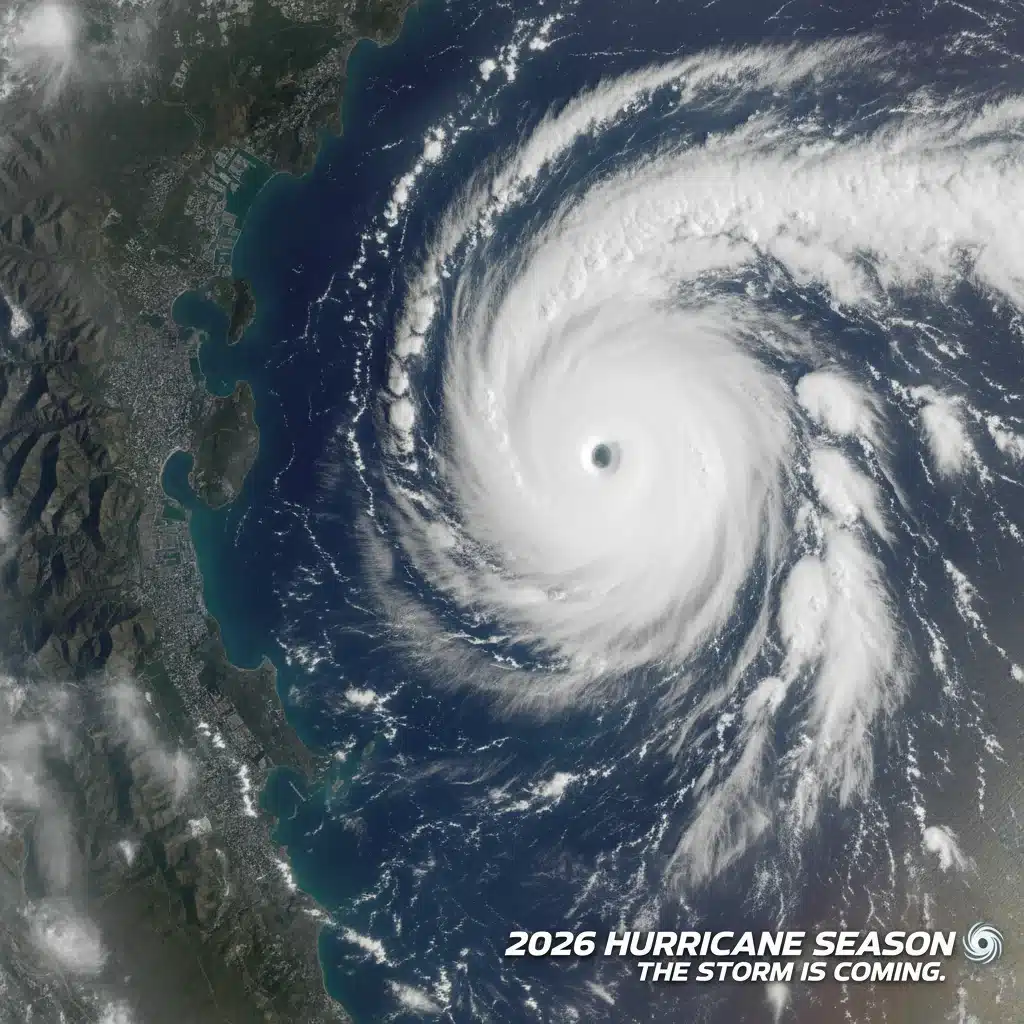
The National Oceanic and Atmospheric Administration (NOAA) has issued a sobering forecast for the 2026 hurricane season, projecting it to be approximately 20% more active than the historical average. This prediction sends a clear signal to coastal communities, emergency management agencies, and individuals across the Atlantic and Gulf coasts: proactive and robust preparedness is not just advisable, but essential. Understanding the intricacies of this forecast, the underlying scientific drivers, and the potential impacts is the first step toward building resilience against the formidable power of tropical cyclones. The 2026 hurricane season stands to be a significant test of our collective ability to adapt and respond to an evolving climate.
Understanding the NOAA Forecast: What Drives an Active 2026 Hurricane Season?
NOAA’s forecasts are the culmination of sophisticated climate modeling, historical data analysis, and an understanding of current oceanic and atmospheric conditions. The projection for a more active 2026 hurricane season is not a random guess but is rooted in several key environmental factors that are increasingly favoring tropical cyclone development and intensification. These factors create a fertile ground for hurricanes, leading to a higher probability of more named storms, hurricanes, and major hurricanes (Category 3 or higher).
Warmer Sea Surface Temperatures (SSTs)
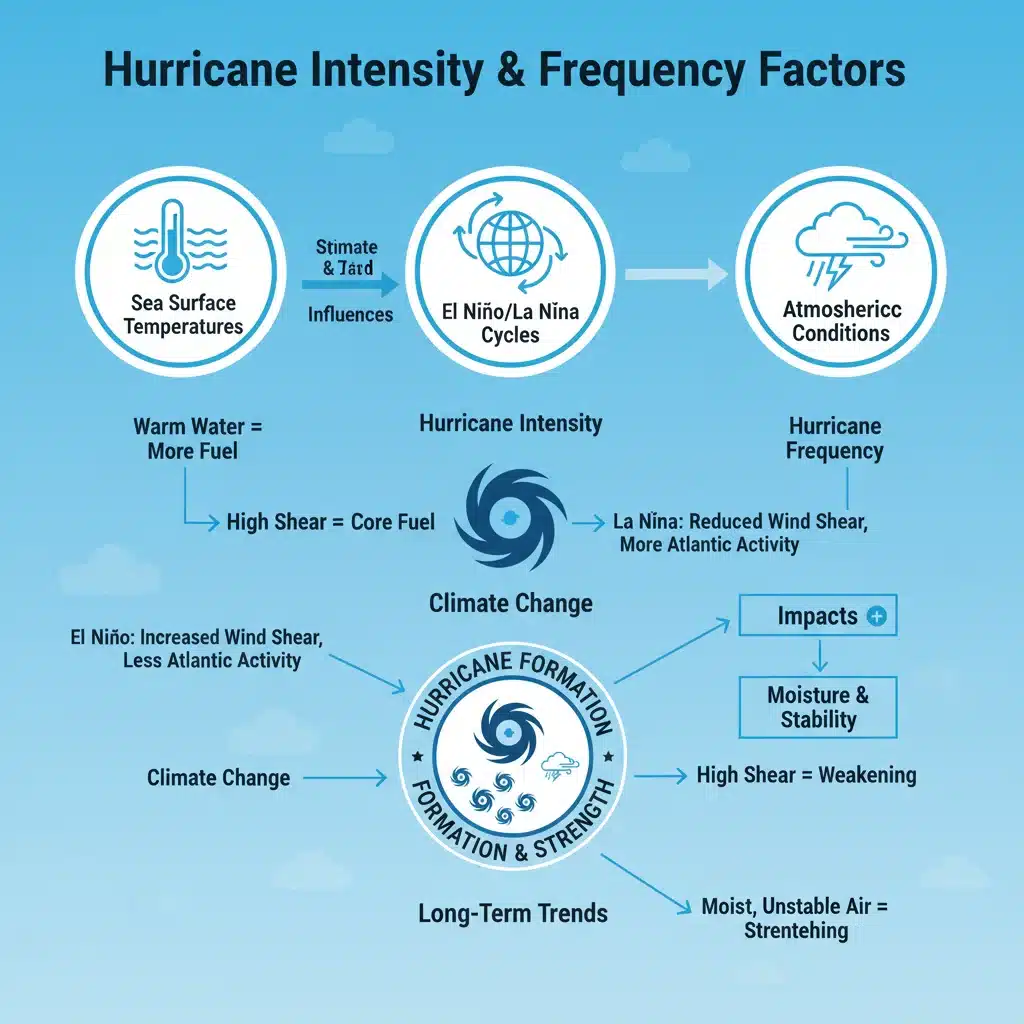
One of the most critical ingredients for hurricane formation and intensification is warm ocean water. Hurricanes act like giant heat engines, drawing energy from warm surface waters. The Atlantic Basin, particularly the main development region (MDR) stretching from the west coast of Africa to the Caribbean Sea, has been experiencing anomalously warm sea surface temperatures. This trend is consistent with long-term climate change patterns, where global oceans absorb a significant portion of excess heat. Warmer SSTs provide more fuel for storms, allowing them to form more readily, grow stronger, and sustain their intensity for longer periods. For the 2026 hurricane season, models indicate these elevated temperatures are likely to persist, providing ample energy for cyclone development.
La Niña Conditions and Atmospheric Shear
The El Niño-Southern Oscillation (ENSO) cycle, characterized by fluctuations in sea surface temperatures in the equatorial Pacific, profoundly influences global weather patterns, including Atlantic hurricane activity. La Niña, the cool phase of ENSO, typically correlates with an increase in Atlantic hurricane activity. During La Niña, vertical wind shear – the change in wind speed and direction with altitude – tends to decrease over the main hurricane development region. High wind shear can tear apart developing storms, inhibiting their organization and strengthening. Conversely, low wind shear allows nascent storms to organize and intensify unimpeded. NOAA’s forecast for the 2026 hurricane season likely anticipates a continuation or return to La Niña conditions, or at least a neutral ENSO phase with conditions favoring reduced wind shear.
African Easterly Waves (AEWs)
Many of the most powerful and long-lived Atlantic hurricanes originate from African Easterly Waves (AEWs) that emerge off the coast of West Africa. The strength and frequency of these waves are influenced by atmospheric conditions over Africa. A robust West African monsoon season can generate stronger and more numerous AEWs, providing more seed disturbances for tropical cyclone formation. While longer-term predictions for AEW activity are complex, their historical role in active seasons is undeniable, and their potential contribution to the 2026 hurricane season is a critical consideration in the overall forecast.
Other Contributing Factors
Beyond these primary drivers, other atmospheric patterns can also play a role. These include the state of the Atlantic Multidecadal Oscillation (AMO), a natural climate variability pattern that can influence Atlantic SSTs, and the presence of Saharan dust layers. While dust can suppress storm development by cooling the atmosphere and increasing wind shear, its overall influence is often outweighed by the primary factors of warm SSTs and low wind shear in very active seasons. The confluence of several favorable factors is what makes the NOAA forecast for the 2026 hurricane season particularly concerning.
Potential Impacts of an Active 2026 Hurricane Season
An increase in the number and intensity of hurricanes has far-reaching implications, extending beyond immediate coastal damage to broader economic, social, and environmental spheres. The potential impacts of the 2026 hurricane season demand comprehensive planning and mitigation efforts.
Increased Risk to Coastal Communities
The most direct impact is the heightened risk to populations residing in coastal areas. More active seasons mean a greater chance of landfalling hurricanes, bringing with them a trifecta of dangers: destructive winds, torrential rainfall leading to inland flooding, and life-threatening storm surge. Communities unprepared for these hazards can face widespread property damage, displacement of residents, and significant loss of life. Infrastructure, including power grids, transportation networks, and communication systems, is particularly vulnerable, leading to prolonged disruptions and challenging recovery efforts.
Economic Disruptions and Recovery Costs
The economic toll of hurricanes can be staggering. Direct costs include damage to homes, businesses, and public infrastructure, as well as agricultural losses. Indirect costs can encompass business interruptions, lost tourism revenue, increased insurance premiums, and the long-term strain on local economies. For an active 2026 hurricane season, the cumulative economic impact across multiple affected regions could run into tens or even hundreds of billions of dollars, placing immense pressure on federal, state, and local budgets for relief and recovery operations.
Environmental Consequences
Hurricanes also leave a significant environmental footprint. Storm surge can lead to saltwater intrusion into freshwater ecosystems, harming vegetation and aquatic life. High winds can defoliate forests and damage sensitive coastal habitats like mangroves and coral reefs, which serve as natural buffers against storms. Oil spills from damaged infrastructure or vessels can further exacerbate ecological damage. The long-term environmental recovery from a severe hurricane season can take years, affecting biodiversity and ecosystem services.
Public Health Challenges
Beyond immediate injuries and fatalities, hurricanes pose numerous public health challenges. Disrupted access to clean water and sanitation can lead to outbreaks of waterborne diseases. Power outages affect refrigeration, impacting food safety and access to life-sustaining medications. Mental health impacts, including anxiety, depression, and PTSD, are also common among survivors, especially those who experience significant loss or displacement. Emergency services can become overwhelmed, making timely medical attention difficult. Planning for the 2026 hurricane season must include robust public health strategies.
Preparing for the 2026 Hurricane Season: A Multi-faceted Approach
Given NOAA’s forecast, preparedness for the 2026 hurricane season must be comprehensive, involving individuals, families, businesses, and government agencies at all levels. Early and sustained action is key to mitigating potential damage and saving lives.
Individual and Family Preparedness
- Develop an Emergency Plan: Create a detailed family emergency plan that includes evacuation routes, designated meeting points, and communication strategies in case of separation. Practice this plan regularly.
- Build an Emergency Kit: Assemble a kit with at least 3-5 days’ supply of non-perishable food, water (one gallon per person per day), medications, first-aid supplies, flashlights, batteries, a hand-crank radio, and important documents (copies in a waterproof bag).
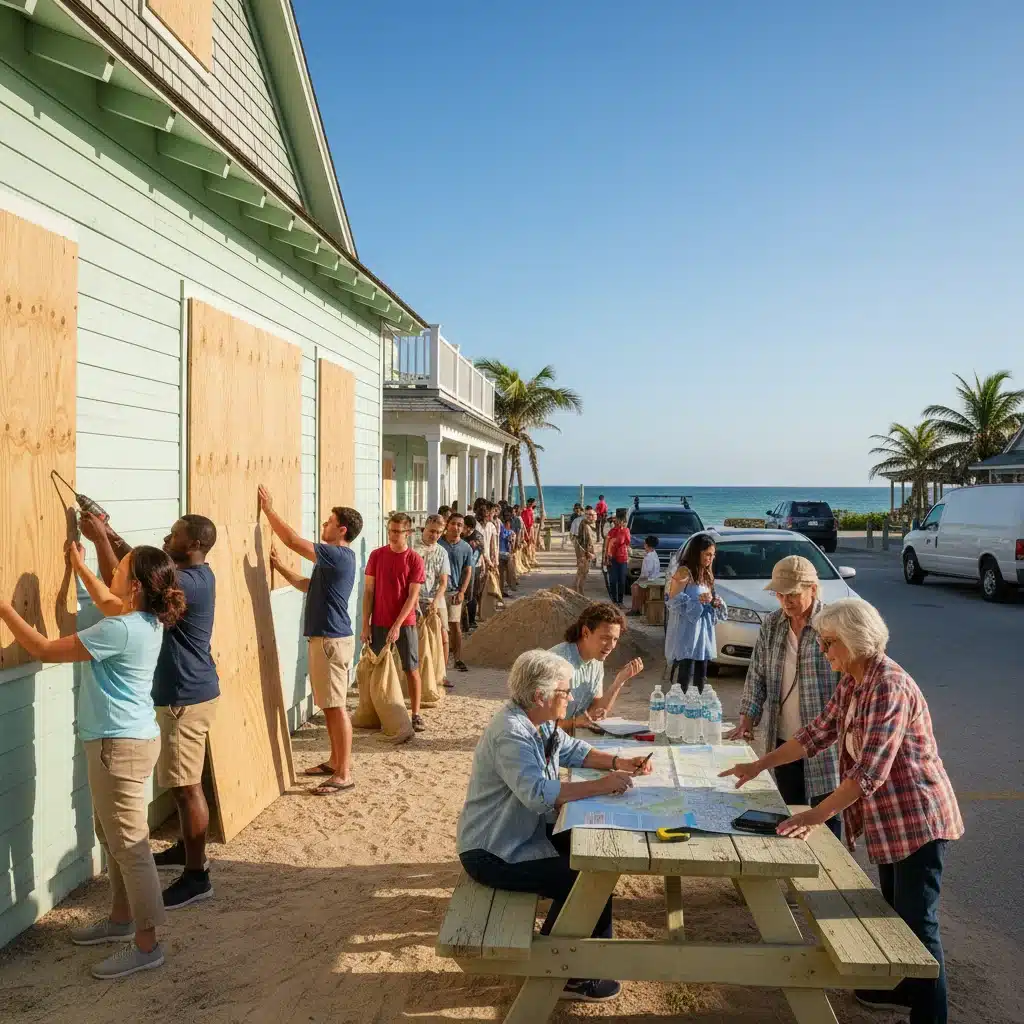
- Secure Your Home: Trim trees and shrubs, clear gutters, secure loose outdoor items, and consider hurricane shutters or plywood for windows and doors.
- Stay Informed: Monitor official weather forecasts from NOAA, the National Hurricane Center (NHC), and local emergency management agencies. Understand hurricane watches and warnings.
- Know Your Evacuation Zone: Be aware of your evacuation zone and follow local official evacuation orders promptly.
- Insurance Review: Review your home insurance policy to ensure adequate coverage for wind and flood damage. Note that flood insurance is typically separate from homeowner’s insurance.
Community and Governmental Preparedness
- Infrastructure Hardening: Invest in resilient infrastructure, including undergrounding power lines, reinforcing essential buildings, and improving drainage systems to reduce flood risk.
- Evacuation Planning and Logistics: Refine and communicate clear evacuation plans, ensuring adequate transportation resources, shelters, and medical support for vulnerable populations.
- Emergency Services Coordination: Enhance coordination among emergency responders, law enforcement, healthcare providers, and volunteer organizations to ensure a swift and effective response.
- Public Awareness Campaigns: Launch sustained public awareness campaigns to educate residents about the risks of the 2026 hurricane season and promote individual preparedness actions.
- Economic Resilience Planning: Develop strategies to support local businesses before, during, and after a storm, including access to emergency loans and recovery assistance.
- Environmental Protection: Implement measures to protect natural coastal buffers like wetlands and barrier islands, which provide critical protection against storm surge and erosion.
- Climate Adaptation Strategies: Integrate long-term climate adaptation strategies into urban planning and development, considering rising sea levels and more intense rainfall events.
The Role of Climate Change in Future Hurricane Seasons
While natural climate cycles like ENSO play a significant role in year-to-year variability, the long-term trend of increasing ocean temperatures and sea levels is inextricably linked to anthropogenic climate change. Scientists are increasingly confident that a warmer world will lead to:
- More Intense Storms: While the total number of storms might not drastically increase, the proportion of Category 4 and 5 hurricanes is projected to rise. Warmer oceans provide more energy for these powerful storms.
- Increased Rainfall: A warmer atmosphere holds more moisture. This means that even if storms don’t become more frequent, they are likely to produce more extreme rainfall, leading to greater inland flooding.
- Higher Storm Surge: As sea levels rise, storm surge pushes further inland, increasing the vulnerability of coastal areas even to weaker storms.
- Slower Moving Storms: Some research suggests that storms may be slowing down, meaning they linger over an area for longer, exacerbating rainfall and wind damage.
These climate-driven trends underscore the importance of not just preparing for the 2026 hurricane season, but also for a future where active hurricane seasons become the new normal. Adaptation and mitigation efforts must consider these long-term changes.
Technological Advancements in Hurricane Forecasting and Monitoring
The accuracy of hurricane forecasts has significantly improved over the decades, thanks to advancements in technology and scientific understanding. These improvements are vital for effective preparedness for the 2026 hurricane season and beyond.
Satellite Technology
Geostationary and polar-orbiting satellites provide continuous, high-resolution imagery of tropical disturbances, allowing forecasters to track storm formation, movement, and intensity in real-time. Advanced sensors measure sea surface temperatures, atmospheric moisture, and wind fields, feeding crucial data into forecast models. The next generation of satellites promises even greater detail and more frequent updates, enhancing early warning capabilities.
Numerical Weather Prediction (NWP) Models
Sophisticated computer models simulate the atmosphere and ocean, predicting the future behavior of hurricanes. These models, such as the Global Forecast System (GFS) and the European Centre for Medium-Range Weather Forecasts (ECMWF) model, are constantly being refined with better physics, higher resolution, and more accurate initial conditions. Ensemble forecasting, which runs multiple model simulations with slightly varied initial conditions, provides a probabilistic range of outcomes, helping forecasters assess uncertainty and communicate risk more effectively for the 2026 hurricane season.
Aircraft Reconnaissance
Hurricane Hunter aircraft, like those operated by NOAA and the U.S. Air Force Reserve, fly directly into storms to collect vital data on wind speed, pressure, temperature, and humidity. These invaluable in-situ measurements are crucial for improving the accuracy of track and intensity forecasts, especially for rapidly intensifying storms. Data collected from these flights directly informs the advisories issued by the National Hurricane Center.
Oceanic Monitoring Systems
Buoys, gliders, and uncrewed surface vehicles deployed in the ocean collect data on sea surface temperatures, ocean heat content, and salinity. This information is critical for understanding the oceanic fuel available to hurricanes and for improving ocean models that are coupled with atmospheric models. These systems provide a deeper understanding of the marine environment that will shape the 2026 hurricane season.
Artificial Intelligence and Machine Learning
Emerging technologies like Artificial Intelligence (AI) and Machine Learning (ML) are being increasingly applied to hurricane forecasting. AI can analyze vast datasets from satellites, models, and observations to identify patterns, predict rapid intensification, and even generate probabilistic forecasts more efficiently. These tools hold immense promise for further enhancing the accuracy and lead time of hurricane predictions.
Lessons Learned from Past Active Seasons
Reflecting on past active hurricane seasons provides invaluable lessons for preparing for the 2026 hurricane season. Seasons like 2005 (Katrina, Rita, Wilma) and 2020 (record-breaking 30 named storms) highlighted several critical areas:
- Importance of Early Evacuation: Delayed evacuations lead to gridlock, increased risk, and overwhelmed shelters. Clear, timely evacuation orders are paramount.
- Vulnerability of Infrastructure: Power grids, communication networks, and transportation systems are often the first to fail, isolating communities. Investment in hardening these systems is crucial.
- Interconnectedness of Impacts: A hurricane’s impact extends far beyond the immediate coast, affecting supply chains, healthcare systems, and national economies.
- Role of Community Resilience: Neighbors helping neighbors, strong local leadership, and volunteer efforts are vital for effective response and recovery.
- Need for Adaptive Policies: As climate changes, static building codes and flood plain maps become outdated. Policies must evolve to reflect new realities.
- Mental Health Support: The psychological toll of surviving a major disaster is significant and requires dedicated resources for long-term recovery.
These lessons serve as a roadmap for strengthening preparedness efforts ahead of the anticipated active 2026 hurricane season.
Conclusion: Proactive Resilience for the 2026 Hurricane Season
NOAA’s forecast for a 20% more active 2026 hurricane season is a call to action. It underscores the urgent need for a proactive, multi-layered approach to preparedness that encompasses individual responsibility, community-wide planning, and governmental investment in resilient infrastructure and adaptive policies. While we cannot control the weather, we can significantly influence our vulnerability and capacity to recover. By understanding the scientific drivers behind the forecast, acknowledging the potential impacts, and implementing robust preparedness strategies, we can collectively work towards minimizing the human and economic toll of what promises to be a challenging hurricane season. The time to prepare is now, not when the first storm is on the horizon. Our collective safety and future resilience depend on it.