
Rising Food Insecurity: Federal Report Q1 2026 Reveals 7% Increase
The first quarter of 2026 has brought forth a stark and concerning revelation: a new federal report has highlighted a significant 7% rise in rising food insecurity rates across the nation. This alarming statistic underscores a growing crisis, impacting millions of households and casting a long shadow over the economic stability and social well-being of communities. The report, meticulously compiled from various socio-economic indicators and direct surveys, paints a grim picture of increasing challenges faced by families attempting to secure adequate nutrition. Understanding the multifaceted causes and profound implications of this surge in rising food insecurity is paramount for policymakers, community leaders, and every citizen invested in the health and prosperity of the nation.
Food insecurity, defined as the disruption of food intake or eating patterns because of lack of money and other resources, is not merely about hunger. It encompasses a broader spectrum of issues, including inconsistent access to nutritious foods, reliance on cheaper, less healthy options, and the constant stress associated with not knowing where the next meal will come from. The 7% increase reported for Q1 2026 is not just a number; it represents a substantial increase in human struggle, affecting children’s development, adults’ productivity, and the overall fabric of society. This article delves deep into the findings of the federal report, exploring the underlying factors contributing to this disturbing trend, the societal impacts, and potential strategies to combat the escalating challenge of rising food insecurity.
Understanding the Federal Report’s Key Findings
The recently released federal report for Q1 2026 provides a comprehensive overview of the current state of food security nationwide. Its findings are derived from a combination of household surveys, economic data, and analyses of food assistance program participation. The 7% increase in rising food insecurity rates is not uniform across all demographics or regions. Certain populations, such as low-income families, single-parent households, and minority communities, continue to bear a disproportionately heavy burden. Geographically, urban centers grappling with high living costs and rural areas facing economic decline are particularly hard hit.
One of the report’s crucial insights is the distinction between ‘low food security’ and ‘very low food security.’ While both categories saw increases, the latter, characterized by multiple indications of disrupted eating patterns and reduced food intake, showed a particularly worrying jump. This suggests that a growing segment of the population is not just struggling to afford preferred foods but is facing severe challenges in meeting basic nutritional needs. The report also highlights the increasing reliance on food banks and other charitable food assistance programs, indicating that governmental support systems, while vital, are being stretched thin by the sheer volume of need. The data unequivocally points to a systemic issue, one that demands a holistic and urgent response to mitigate the effects of rising food insecurity.
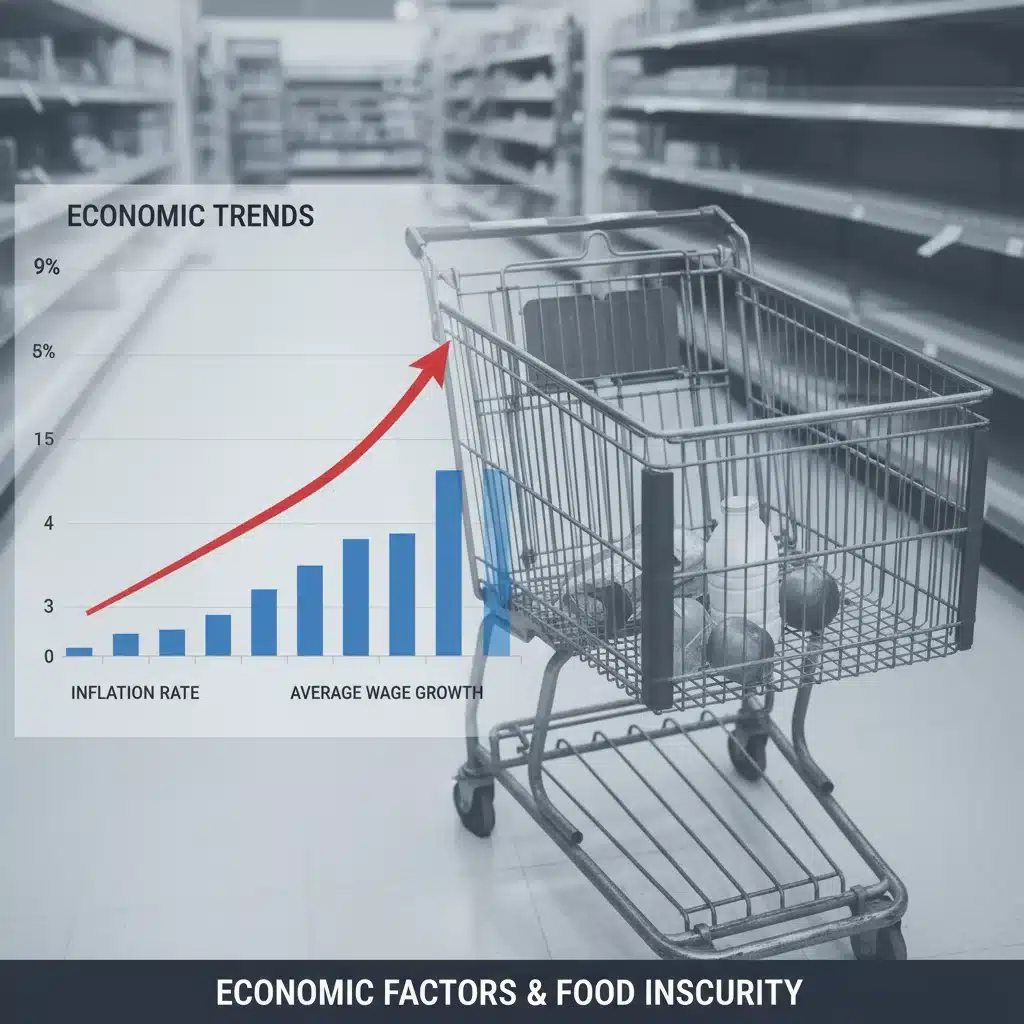
Furthermore, the report details specific economic pressures contributing to this trend. It analyzes the impact of inflation on food prices, stagnant wage growth, and the lingering effects of global economic uncertainties. For many households, the cost of living has outpaced income growth, making it increasingly difficult to afford essential goods, food being a primary concern. The report concludes with a call to action, emphasizing the need for robust policy interventions and community-based initiatives to reverse the trajectory of rising food insecurity.
Economic Drivers Behind the 7% Increase
The 7% surge in rising food insecurity for Q1 2026 cannot be isolated from the broader economic landscape. Several interconnected economic factors are identified as primary drivers in the federal report:
Inflation and Food Prices
Perhaps the most immediate and impactful factor is the persistent inflation, particularly concerning food prices. The cost of staple goods, fresh produce, and essential proteins has seen a steady upward trend, significantly eroding the purchasing power of households, especially those with limited incomes. For families already living paycheck to paycheck, even a modest increase in grocery bills can mean the difference between having enough food and experiencing food insecurity. The report provides detailed statistics on the percentage increase of various food categories, illustrating how everyday items have become luxuries for many.
Stagnant Wages and Income Inequality
While the cost of living, propelled by inflation, continues to climb, wages for many workers have not kept pace. The federal report underscores the issue of stagnant real wages, meaning that despite potential nominal increases, the actual buying power of an hour’s work has diminished. This disparity is exacerbated by widening income inequality, where the economic gains are not evenly distributed across all segments of the population. Those at the lower end of the income spectrum are disproportionately affected, finding it harder to absorb rising costs, thus contributing directly to rising food insecurity.
Job Market Volatility and Underemployment
The job market, while showing signs of resilience in some sectors, remains volatile for many. The federal report points to an increase in precarious employment, such as part-time work, contract positions, and jobs with inconsistent hours, which often lack benefits and stable income. Underemployment, where individuals are working fewer hours than they desire or in roles below their skill level, also plays a critical role. This instability makes financial planning difficult and can quickly push households into a state of rising food insecurity when unexpected expenses arise or work hours are cut.
Reduced Government Assistance and Safety Nets
Another contributing factor highlighted in the report is the potential reduction or stagnation of certain government assistance programs. While these programs are designed to act as safety nets, their funding levels and eligibility criteria may not always adapt quickly enough to meet escalating needs, especially during periods of high inflation. The report suggests that for some families, the available assistance is no longer sufficient to bridge the gap between their income and the rising cost of living, leaving them vulnerable to rising food insecurity.
The Far-Reaching Social Impacts of Rising Food Insecurity
The repercussions of rising food insecurity extend far beyond the immediate experience of hunger. The federal report meticulously details a cascade of social impacts that affect individuals, families, and communities, creating a complex web of challenges:
Health Consequences
One of the most immediate and severe impacts is on public health. Individuals experiencing food insecurity are more likely to suffer from chronic health conditions such as diabetes, heart disease, and hypertension. The lack of consistent access to nutritious food often leads to reliance on cheaper, energy-dense but nutrient-poor options, contributing to obesity and related health problems. For children, inadequate nutrition can impair physical growth and cognitive development, leading to long-term health issues and educational disadvantages. The stress associated with food insecurity also takes a toll on mental health, increasing rates of anxiety, depression, and other psychological disorders.
Educational Attainment and Child Development
Children in food-insecure households often struggle academically. Hunger and malnutrition can lead to difficulty concentrating in school, lower test scores, and increased absenteeism. The federal report emphasizes that these educational setbacks can have lifelong consequences, perpetuating a cycle of poverty and limiting future opportunities. Furthermore, the emotional toll of rising food insecurity can manifest as behavioral problems, impacting social interactions and overall well-being in children.
Community Cohesion and Economic Productivity
At a broader societal level, rising food insecurity can weaken community cohesion. When a significant portion of the population is struggling with basic needs, social trust can erode, and the overall quality of life diminishes. Moreover, a workforce suffering from poor nutrition and health issues due to food insecurity is less productive. This can lead to decreased economic output, increased healthcare costs, and a reduced capacity for innovation and growth within communities. The report argues that addressing food insecurity is not just a humanitarian issue but an economic imperative for national prosperity.
Increased Demand on Social Services
The surge in rising food insecurity places immense strain on existing social services, including food banks, charitable organizations, and government assistance programs. These entities, while vital, often operate with limited resources and can become overwhelmed by increased demand. The report highlights instances where food banks are reporting record numbers of visitors and struggling to keep shelves stocked, underscoring the severity of the crisis and the need for more sustainable, systemic solutions.
Strategies and Solutions to Combat Rising Food Insecurity
Addressing the 7% increase in rising food insecurity rates requires a multi-pronged approach involving policy changes, community initiatives, and individual actions. The federal report outlines several key areas for intervention:
Strengthening Social Safety Nets
A fundamental strategy involves fortifying government assistance programs such as SNAP (Supplemental Nutrition Assistance Program), WIC (Special Supplemental Nutrition Program for Women, Infants, and Children), and school meal programs. The report suggests that increasing benefit levels to reflect the true cost of food, expanding eligibility criteria, and streamlining application processes could significantly alleviate the burden of food insecurity. These programs serve as crucial lifelines for millions and must be adequately funded and accessible.
Promoting Living Wages and Economic Opportunity
To tackle the root causes of rising food insecurity, policies aimed at promoting living wages and creating stable, well-paying jobs are essential. This includes advocating for minimum wage increases that keep pace with inflation, investing in job training and education programs, and supporting small businesses that provide fair employment. Addressing income inequality through progressive taxation and other economic policies can also help ensure that more households have the financial resources to afford nutritious food.
Community-Based Solutions and Local Food Systems
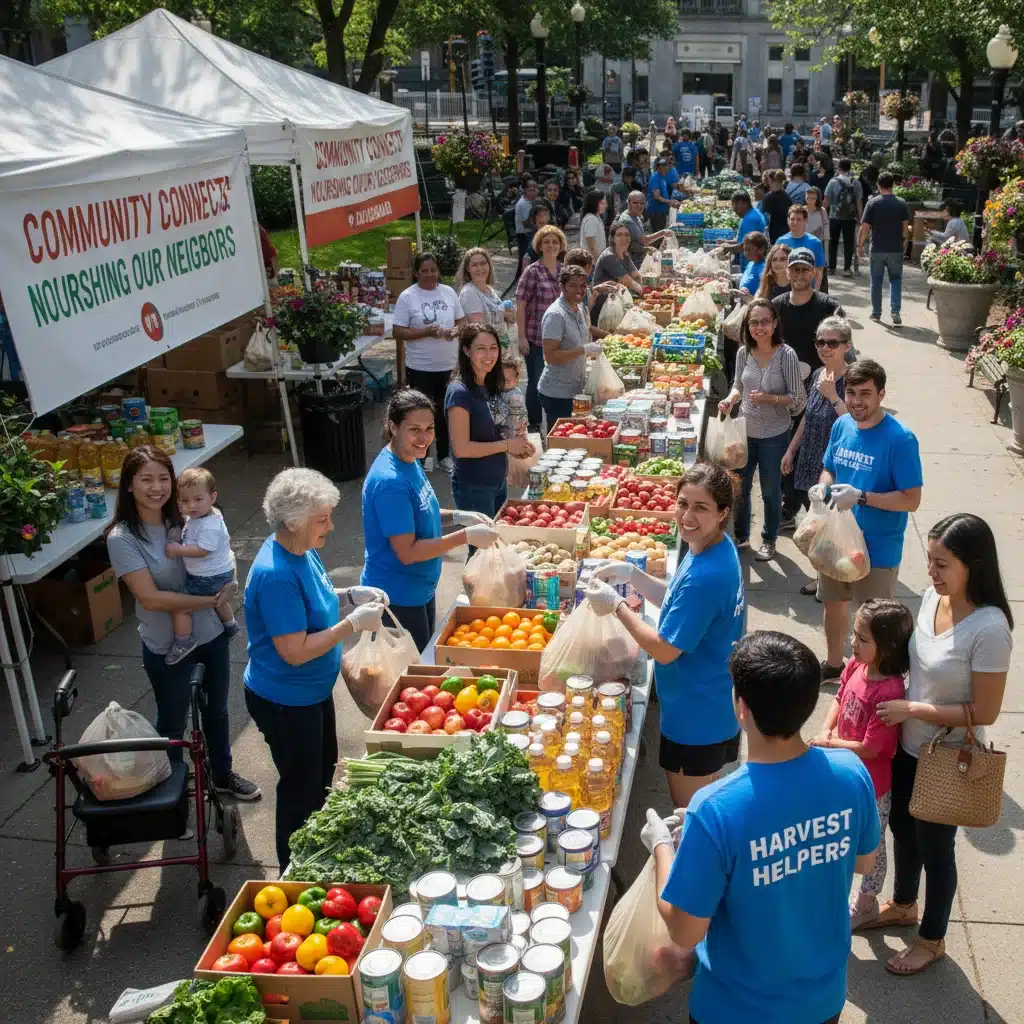
Local initiatives play a critical role in combating food insecurity. Supporting and expanding community food banks, soup kitchens, and food pantries is vital. Beyond emergency aid, fostering resilient local food systems, such as farmers’ markets that accept SNAP benefits, community gardens, and urban agriculture projects, can increase access to fresh, affordable produce. These initiatives not only provide food but also strengthen community bonds and promote healthier eating habits. The report emphasizes the effectiveness of local partnerships between non-profits, businesses, and government agencies.
Education and Nutritional Literacy
While access to food is paramount, nutritional education is also crucial. Programs that teach budgeting, healthy cooking, and food preservation can empower individuals and families to make the most of their resources and improve their dietary quality. The federal report suggests integrating nutritional literacy into public health campaigns and educational curricula, ensuring that all citizens have the knowledge to make informed food choices, even on a limited budget.
Addressing Systemic Inequities
The report also calls for a deeper examination of systemic inequities that contribute to disproportionately high rates of rising food insecurity in certain communities. This includes addressing issues such as housing instability, lack of access to affordable healthcare, and discriminatory practices that limit economic opportunities for marginalized groups. A holistic approach that recognizes and addresses these underlying social determinants of health and well-being is necessary for long-term solutions.
The Road Ahead: A Collective Responsibility
The federal report for Q1 2026 serves as a powerful wake-up call, signaling that the issue of rising food insecurity is not diminishing but intensifying. The 7% increase is a stark reminder that millions are struggling to meet their most basic needs, with profound implications for individual well-being and societal stability. This is not a problem that can be relegated to a single agency or sector; it demands a concerted, collaborative effort from all levels of government, non-profit organizations, businesses, and individuals.
Moving forward, sustained political will is crucial to implement and adequately fund policies that address the root causes of food insecurity. This includes policies that ensure fair wages, provide robust social safety nets, and promote equitable access to economic opportunities. Simultaneously, community engagement and grassroots initiatives will continue to be vital in delivering immediate relief and building resilient local food systems. Every step, from volunteering at a food bank to advocating for policy change, contributes to the larger goal of eradicating hunger and ensuring food security for all.
The challenge of rising food insecurity is immense, but it is not insurmountable. By understanding the data, acknowledging the human impact, and committing to comprehensive solutions, we can work towards a future where every individual has consistent access to nutritious and sufficient food, fostering healthier, more equitable, and more prosperous communities for all.