Special Education Laws US 2026: Parental Rights & Resources
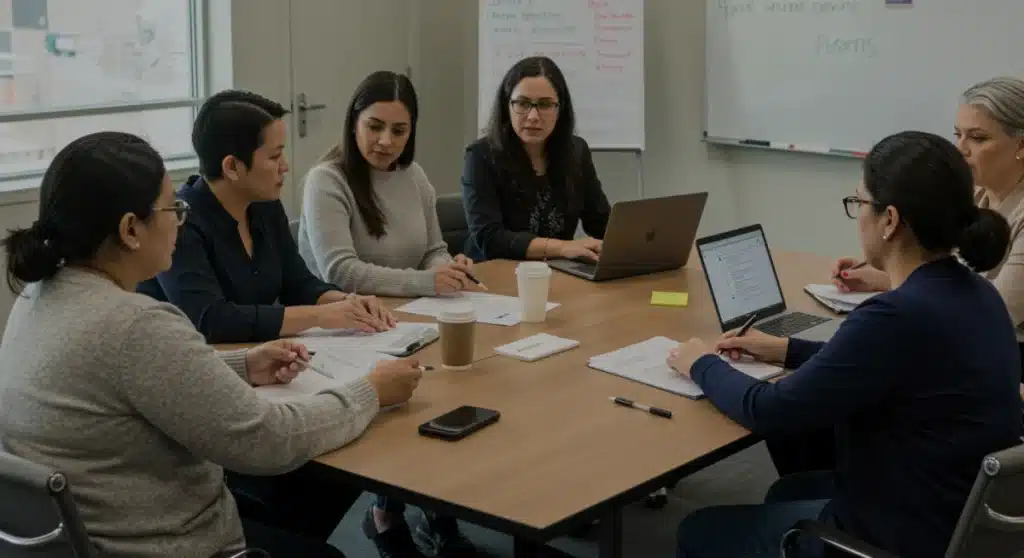
Understanding the evolving landscape of US special education laws, including parental rights and available resources, is essential for advocating for children with disabilities in 2026.
As we move further into 2026, the educational framework supporting children with disabilities continues to evolve, making it more critical than ever for parents to be well-informed. This article aims to demystify the complexities of Navigating Special Education Laws in the US: A 2026 Update on Parental Rights and Resources, providing clarity and actionable insights for families across the nation.
Understanding IDEA: The bedrock of special education
The Individuals with Disabilities Education Act (IDEA) remains the cornerstone of special education in the United States. This federal law ensures that all children with disabilities have access to a free appropriate public education (FAPE) tailored to their unique needs. For 2026, while the core tenets of IDEA persist, ongoing interpretations and policy adjustments continue to refine its application in schools and districts nationwide.
IDEA is structured around several key principles designed to protect the rights of children with disabilities and their parents. These principles guide how special education services are delivered and ensure accountability within the system. Staying updated on these foundational elements is the first step in effective advocacy.
Key components of IDEA
- Free appropriate public education (FAPE): Every eligible child with a disability is entitled to special education and related services at public expense, under public supervision and direction, and without charge.
- Individualized education program (IEP): A written statement for each child with a disability that is developed, reviewed, and revised in a meeting in accordance with specific requirements.
- Least restrictive environment (LRE): Children with disabilities must be educated with children who are non-disabled to the maximum extent appropriate.
- Parent and student participation: Parents are central to the decision-making process regarding their child’s education.
The continuous evolution of educational practices and technological advancements means that the implementation of IDEA is always subject to refinement. Parents should be aware that while the law provides a strong foundation, its practical application can vary, necessitating active engagement and informed participation.
Parental rights: Your voice in your child’s education
Parental rights are explicitly protected under IDEA, empowering parents to be primary advocates for their children with disabilities. These rights ensure that parents have a meaningful say in every aspect of their child’s special education journey, from identification to placement and ongoing services. Understanding these rights is not just beneficial; it is essential for ensuring your child receives the education they deserve.
These rights encompass a broad range of protections, including the right to receive notice, to consent to evaluations and services, and to participate in all meetings concerning their child’s educational placement and program. In 2026, there’s an increased emphasis on ensuring these rights are not just formally acknowledged but actively facilitated by school districts.
Core parental rights under IDEA
- Right to participate in meetings: Parents have the right to be present and participate in all meetings regarding their child’s identification, evaluation, placement, and the provision of FAPE.
- Right to informed consent: Schools must obtain parental consent before conducting initial evaluations, reevaluations, and the initial provision of special education services.
- Right to prior written notice: Parents must receive written notice before the school proposes or refuses to initiate or change the identification, evaluation, or educational placement of their child.
- Right to access educational records: Parents have the right to inspect and review all educational records related to their child.
Beyond these core rights, parents also have dispute resolution options, such as mediation and due process hearings, if disagreements arise with the school district. Being knowledgeable about these avenues provides a powerful tool for advocacy. It is crucial for parents to document all communications and maintain detailed records to support their position.
The individualized education program (IEP) in 2026
The Individualized Education Program (IEP) is a legally binding document that outlines a child’s special education services. For 2026, the focus on developing truly individualized and meaningful IEPs remains paramount. An effective IEP is a collaborative effort between parents, educators, and relevant specialists, designed to address the child’s unique needs and foster their educational progress.
The IEP process involves several stages, from initial referral and evaluation to eligibility determination, IEP development, and annual review. Each stage is crucial and requires parental involvement to ensure the plan accurately reflects the child’s strengths, challenges, and aspirations. The goal is to create a living document that evolves with the child.
Components of a comprehensive IEP
- Present levels of performance: Describes the child’s current academic achievement and functional performance.
- Annual goals: Measurable goals designed to meet the child’s needs resulting from their disability.
- Special education and related services: A statement of the special education and related services to be provided.
- Extent of non-participation: An explanation of the extent to which the child will not participate with non-disabled children.
In 2026, there’s a growing emphasis on incorporating assistive technology and transition services into IEPs earlier, especially for older students. This proactive approach ensures students are better prepared for post-secondary education, employment, and independent living. Parents should actively discuss these aspects during IEP meetings.
Related services and support: Beyond the classroom
Special education extends beyond academic instruction to include a range of related services designed to help a child benefit from their special education. These services are vital for ensuring comprehensive support and can significantly impact a child’s ability to access the curriculum and participate fully in school life. Identifying and securing appropriate related services is a key aspect of effective advocacy.
Related services can vary widely depending on the child’s individual needs, as determined through comprehensive evaluations. They are typically provided by qualified professionals and integrated into the child’s IEP. The scope of these services is broad, reflecting the diverse needs of children with disabilities.


Common related services
- Speech-language pathology services: Addresses communication impairments.
- Occupational therapy: Helps with fine motor skills, sensory processing, and daily living activities.
- Physical therapy: Focuses on gross motor skills, mobility, and physical functioning.
- Counseling services: Provides support for social, emotional, and behavioral needs.
- Transportation: Ensures the child can access school and related services.
Beyond these commonly recognized services, IDEA also covers psychological services, recreation, social work services, and medical services for diagnostic or evaluation purposes. Parents should never hesitate to inquire about any service they believe would benefit their child, ensuring all needs are considered during the IEP development process. The availability and delivery of these services are critical for a holistic educational experience.
Dispute resolution and advocacy strategies
Even with the best intentions, disagreements can arise between parents and school districts regarding a child’s special education. IDEA provides several mechanisms for resolving these disputes, ensuring that parents have avenues to advocate for their child’s rights and needs. Understanding these options is crucial for navigating potential conflicts effectively.
These resolution processes are designed to be less adversarial than traditional lawsuits, encouraging communication and compromise. However, parents must be prepared to present their case clearly and provide documentation to support their position. Early intervention and seeking advice can often prevent disputes from escalating.
Effective dispute resolution avenues
- Mediation: A voluntary process where a neutral third party helps parents and the school district reach a mutually agreeable solution.
- Due process hearing: A formal administrative hearing that functions much like a courtroom proceeding, with an impartial hearing officer making a decision.
- State complaint: Parents can file a written complaint with the state education agency if they believe the school district has violated IDEA.
Beyond formal dispute resolution, effective advocacy also involves building strong relationships with school staff, maintaining open lines of communication, and thoroughly documenting all interactions and decisions. Engaging with parent support groups and advocates can also provide valuable insights and emotional support during challenging times. Proactive communication is often the best defense against disputes.
Future outlook: What to expect in special education for 2026 and beyond
The landscape of special education is not static; it is continually influenced by research, legislative updates, and societal changes. For 2026 and beyond, several trends are likely to shape how special education services are delivered and refined. Staying ahead of these developments can help parents anticipate changes and prepare for future advocacy efforts.
One significant area of focus is the integration of technology, not just as an assistive tool but as a fundamental component of individualized learning. Data privacy and the ethical use of AI in educational assessments are also emerging as critical considerations. Furthermore, there’s a growing emphasis on inclusive practices that seek to integrate students with disabilities more fully into general education settings.
Emerging trends and considerations
- Increased use of assistive technology: Advanced tools and software are becoming more integral to supporting diverse learning needs.
- Focus on mental health support: Greater recognition of the link between mental health and educational outcomes, leading to more integrated services.
- Personalized learning pathways: Leveraging data and adaptive technologies to create highly customized educational experiences.
- Teacher training and professional development: Ongoing need for educators to be equipped with the latest strategies for supporting students with disabilities.
Parents should also be aware of potential legislative changes at both federal and state levels that could impact special education funding, service delivery models, and accountability measures. Engaging with parent advocacy groups and staying informed through reliable educational resources will be key to understanding and influencing these future directions. The commitment to providing equitable and effective education for all children remains a driving force.
| Key Point | Brief Description |
|---|---|
| IDEA Foundation | Ensures free appropriate public education (FAPE) for children with disabilities. |
| Parental Rights | Empower parents in all special education decisions, from evaluation to services. |
| IEP Development | Individualized Education Programs are collaborative and tailored to child’s needs. |
| Dispute Resolution | Mechanisms like mediation and due process are available to resolve conflicts. |
Frequently asked questions about special education laws
The primary purpose of the Individuals with Disabilities Education Act (IDEA) is to ensure that all children with disabilities in the US have access to a free appropriate public education (FAPE). This education must be tailored to their unique needs and designed to prepare them for further education, employment, and independent living.
Parents can protect their rights by actively participating in all IEP meetings, understanding their right to informed consent, and requesting prior written notice for significant changes. Documenting all communications with the school and seeking advocacy support when needed are also crucial steps.
An Individualized Education Program (IEP) is a legally binding document detailing a child’s special education services, goals, and accommodations. It’s important because it ensures the child receives a personalized education designed to meet their specific needs, enabling them to progress academically and functionally.
Related services are supportive services required to help a child with a disability benefit from special education. Examples include speech therapy, occupational therapy, physical therapy, counseling, and transportation. These services are determined by the child’s needs and are outlined in their IEP.
Parents can find resources through state Parent Training and Information Centers (PTIs), disability advocacy organizations, and local special education advisory committees. Online platforms and government websites also offer extensive guidance, legal information, and support networks for families.
Conclusion
Navigating Special Education Laws in the US: A 2026 Update on Parental Rights and Resources is an ongoing journey that requires vigilance, knowledge, and proactive engagement. The federal framework, primarily IDEA, provides robust protections and entitlements for children with disabilities, emphasizing individualized support and parental involvement. As educational practices evolve, staying informed about parental rights, understanding the nuances of the IEP process, and knowing where to access support are more critical than ever. By empowering themselves with knowledge and utilizing available resources, parents can ensure their children receive the free appropriate public education they are entitled to, fostering their growth and potential in an ever-changing educational landscape.
Author