Future of Online Learning: Innovations Transforming US Education by 2026
The Future of Online Learning: 3 Innovations Expected to Transform US Education by 2026
The educational landscape is undergoing a monumental shift, with online learning at the forefront of this transformation. As we look towards 2026, the United States education system is poised for radical changes, driven by groundbreaking online learning innovations. These advancements promise to redefine traditional pedagogical methods, making education more accessible, personalized, and engaging than ever before. This comprehensive article will delve into three pivotal innovations that are not just trends, but foundational pillars for the future of online education: Artificial Intelligence (AI) and Machine Learning (ML), Virtual Reality (VR) and Augmented Reality (AR), and the widespread adoption of Personalized Adaptive Learning Platforms. Understanding these shifts is crucial for educators, students, policymakers, and technology developers alike, as they collectively shape the next generation of learners.
The rapid acceleration of digital technologies, catalyzed by recent global events, has pushed online learning from a niche alternative to a mainstream necessity. However, what we’ve experienced thus far is merely the tip of the iceberg. The coming years will witness an explosion of sophisticated tools and methodologies that move beyond simple digital replication of classroom experiences. Instead, these online learning innovations will create entirely new paradigms for knowledge acquisition, skill development, and intellectual growth. By 2026, these technologies will be deeply integrated into the fabric of US education, offering dynamic and responsive learning environments that cater to individual needs and foster deeper engagement. Let’s explore how these three key areas will reshape the educational journey for millions.
1. Artificial Intelligence (AI) and Machine Learning (ML): The Intelligent Tutor and Administrator
Artificial Intelligence (AI) and Machine Learning (ML) are set to become the invisible backbone of future online learning. Their capacity to process vast amounts of data, identify patterns, and make intelligent decisions will revolutionize every facet of education, from content delivery to assessment and administrative tasks. The integration of AI into online learning environments is not about replacing human educators, but rather augmenting their capabilities, allowing them to focus on higher-order teaching and student support.
Personalized Learning Pathways with AI
One of the most significant contributions of AI to online learning innovations is its ability to create truly personalized learning pathways. Current online platforms often offer some degree of customization, but AI takes this to an unprecedented level. AI algorithms can analyze a student’s performance data, learning style, cognitive strengths and weaknesses, engagement levels, and even emotional state (through sentiment analysis of written responses or facial expressions, with ethical considerations in mind). Based on this deep understanding, AI can dynamically adjust the curriculum, recommend specific resources, suggest different teaching methodologies, and even predict potential learning difficulties before they arise.
Imagine an AI tutor that knows precisely when a student is struggling with a concept and can immediately provide targeted explanations, additional examples, or alternative learning materials. This isn’t a one-size-fits-all approach; it’s a continuously evolving learning experience tailored to the individual. For instance, if a student consistently performs well on visual tasks but struggles with auditory explanations, the AI can prioritize visual content. This level of personalization ensures that every student receives the support they need, at the pace they require, maximizing their potential for success.
Automated Assessment and Feedback
The burden of assessment and providing timely, constructive feedback is a major challenge for educators, especially in large online classes. AI and ML are poised to dramatically alleviate this challenge. AI-powered tools can grade a wide range of assignments, from multiple-choice questions and short answers to essays and coding projects, with remarkable accuracy and consistency. Beyond simple grading, these systems can provide detailed, actionable feedback that highlights specific areas for improvement, explains common misconceptions, and even suggests resources for remediation.
For complex assignments like essays, natural language processing (NLP) algorithms can analyze not just grammar and spelling, but also the coherence, argumentation, and originality of a student’s writing. This immediate feedback loop is invaluable for students, allowing them to learn from their mistakes in real-time rather than waiting days or weeks for a human grader. For educators, it frees up significant time, allowing them to focus on higher-level interactions, mentoring, and addressing individual student needs that require human empathy and nuanced understanding.
Intelligent Content Curation and Creation
The digital world is awash with educational content, but finding high-quality, relevant materials can be a daunting task. AI can act as an intelligent curator, sifting through vast repositories of information to recommend the most appropriate articles, videos, simulations, and interactive exercises for a given topic or student. Furthermore, AI is increasingly capable of generating new educational content, such as practice problems, quizzes, and even short explanatory texts, freeing up educators to focus on designing engaging learning experiences rather than just creating content from scratch.
Consider AI-driven platforms that can adapt existing content to different reading levels or translate it into multiple languages, thereby increasing accessibility and inclusivity in online learning. This capability will be particularly impactful in bridging educational gaps and providing equitable access to quality learning resources across diverse student populations.
2. Virtual Reality (VR) and Augmented Reality (AR): Immersive and Experiential Learning
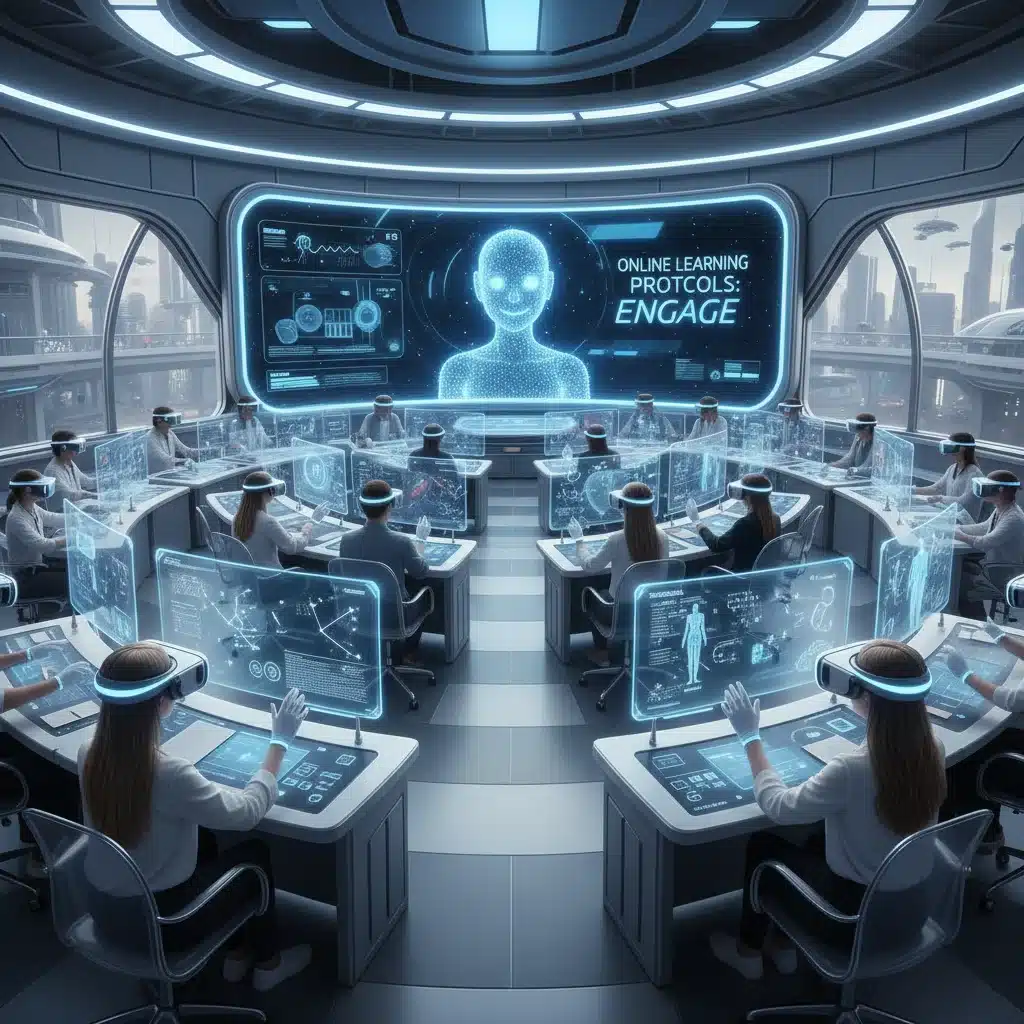
While AI focuses on the ‘intelligence’ of online learning, Virtual Reality (VR) and Augmented Reality (AR) are set to revolutionize the ‘experience’ of it. These immersive technologies transport students into virtual environments or overlay digital information onto the real world, creating highly engaging and experiential learning opportunities that were previously impossible in traditional online settings. By 2026, VR and AR will move beyond novelty to become integral components of many educational programs, especially in fields requiring practical skills or conceptual understanding through visualization.
VR for Immersive Simulations and Field Trips
VR offers the unparalleled ability to simulate real-world scenarios, allowing students to practice skills in a safe, controlled, and repeatable environment. Imagine medical students performing complex surgeries in a virtual operating room, engineering students designing and testing structures in a virtual lab, or history students exploring ancient Rome as if they were physically there. These simulations provide hands-on experience without the risks, costs, or logistical challenges of real-world counterparts.
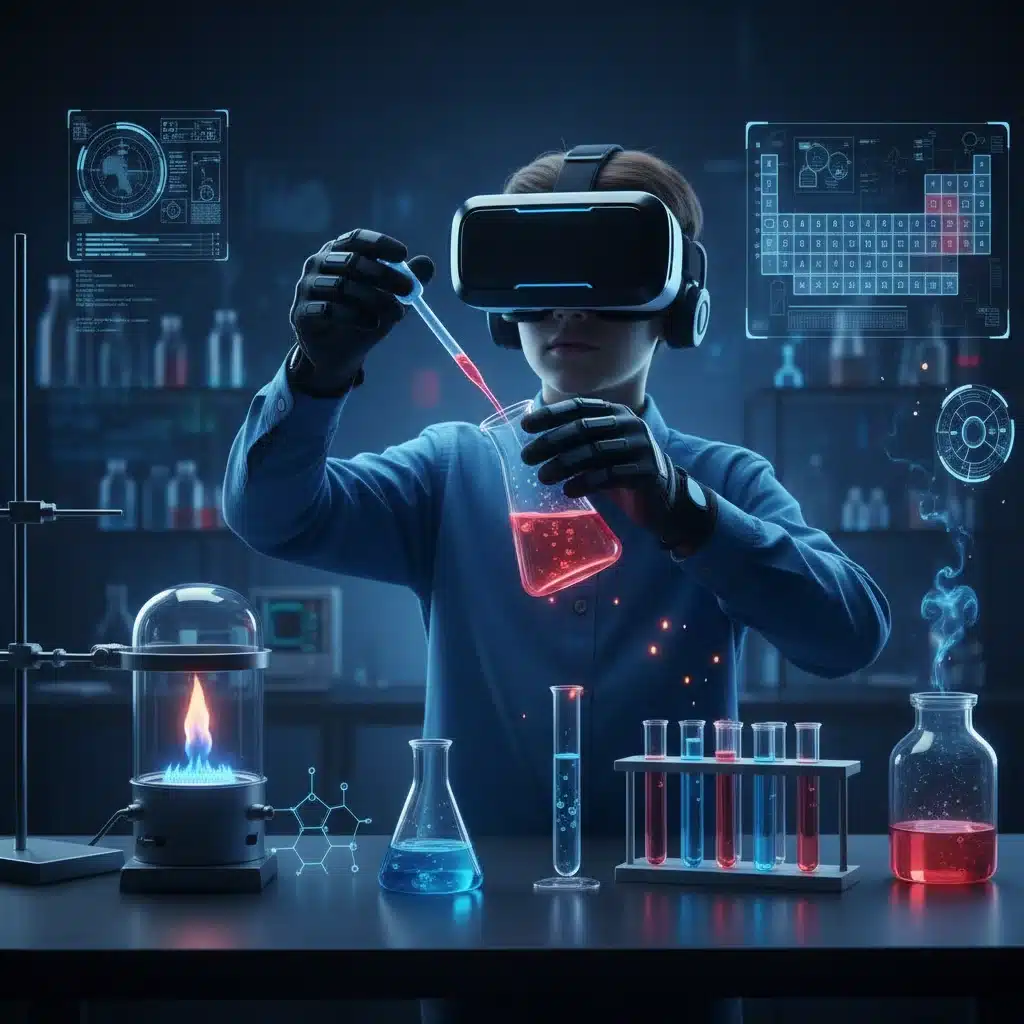
Beyond practical skills, VR can facilitate incredibly rich virtual field trips. Students can explore distant galaxies, delve into the human body, or walk through historical landmarks, all from the comfort of their homes or classrooms. This breaks down geographical and financial barriers, making once-inaccessible experiences available to every student. The emotional engagement and contextual understanding derived from these immersive experiences significantly enhance learning and retention, making complex subjects more tangible and exciting.
AR for Enhanced Real-World Interaction
Augmented Reality (AR), unlike VR which creates entirely new environments, overlays digital information onto the user’s view of the real world. This technology has immense potential for enhancing real-world learning. For example, an AR app could allow a student to point their phone at a plant and instantly see its species, biological classification, and growth cycle. Anatomy students could view 3D models of organs superimposed on a human torso, understanding spatial relationships in a way textbooks cannot convey.
In vocational training, AR can guide students through complex tasks by providing step-by-step instructions overlaid on real machinery or equipment. Technicians could use AR glasses to access repair manuals or diagnostic information while working, significantly reducing training time and improving efficiency. AR transforms the physical environment into an interactive learning space, blending the digital and physical worlds seamlessly.
Challenges and Opportunities for VR/AR Adoption
While the potential of VR and AR in education is vast, challenges remain, primarily concerning hardware accessibility and content development. The cost of VR headsets is decreasing, but widespread adoption still requires significant investment from institutions and families. However, as the technology matures and becomes more ubiquitous, these barriers will diminish. Furthermore, the creation of high-quality, pedagogically sound VR/AR content requires specialized skills and resources. Collaborative efforts between educators, game designers, and technology companies will be crucial in developing compelling and effective learning experiences.
Despite these challenges, the experiential nature of VR and AR makes them powerful tools for increasing engagement, fostering deeper understanding, and developing critical skills. As these technologies become more integrated into online learning innovations, they will redefine what it means to learn by doing, regardless of physical location.
3. Personalized Adaptive Learning Platforms: Tailoring Education to Every Student
Building upon the capabilities of AI and leveraging the flexibility of online environments, Personalized Adaptive Learning Platforms represent a paradigm shift in how education is delivered and consumed. These platforms are designed to continuously assess a student’s knowledge, skills, and learning preferences, and then dynamically adjust the learning path, content, and pace to maximize their individual success. This moves away from the traditional one-to-many teaching model towards a truly student-centric approach.
Dynamic Curriculum Adjustment and Content Delivery
At the core of adaptive learning platforms is the ability to adjust the curriculum in real-time based on student performance. If a student masters a concept quickly, the platform can accelerate them to more advanced topics. Conversely, if they struggle, it can provide additional practice, alternative explanations, or prerequisite material until mastery is achieved. This ensures that students are always challenged appropriately, preventing boredom for advanced learners and frustration for those who need more time.
These platforms often incorporate a variety of content types – videos, interactive simulations, readings, quizzes – and can recommend the format that best suits a student’s preferred learning style. For example, a visual learner might be shown an animated explanation, while an auditory learner might receive a podcast or lecture. The goal is to present information in the most effective way for each individual, optimizing comprehension and retention.
Continuous Assessment and Progress Tracking
Traditional education often relies on summative assessments (e.g., end-of-term exams) that provide a snapshot of learning at a specific point in time. Adaptive platforms, however, utilize continuous formative assessment. Every interaction a student has with the platform – every question answered, every exercise completed, every piece of content consumed – contributes to a comprehensive profile of their learning progress. This data allows the platform to constantly refine its understanding of the student’s needs and adjust the learning path accordingly.
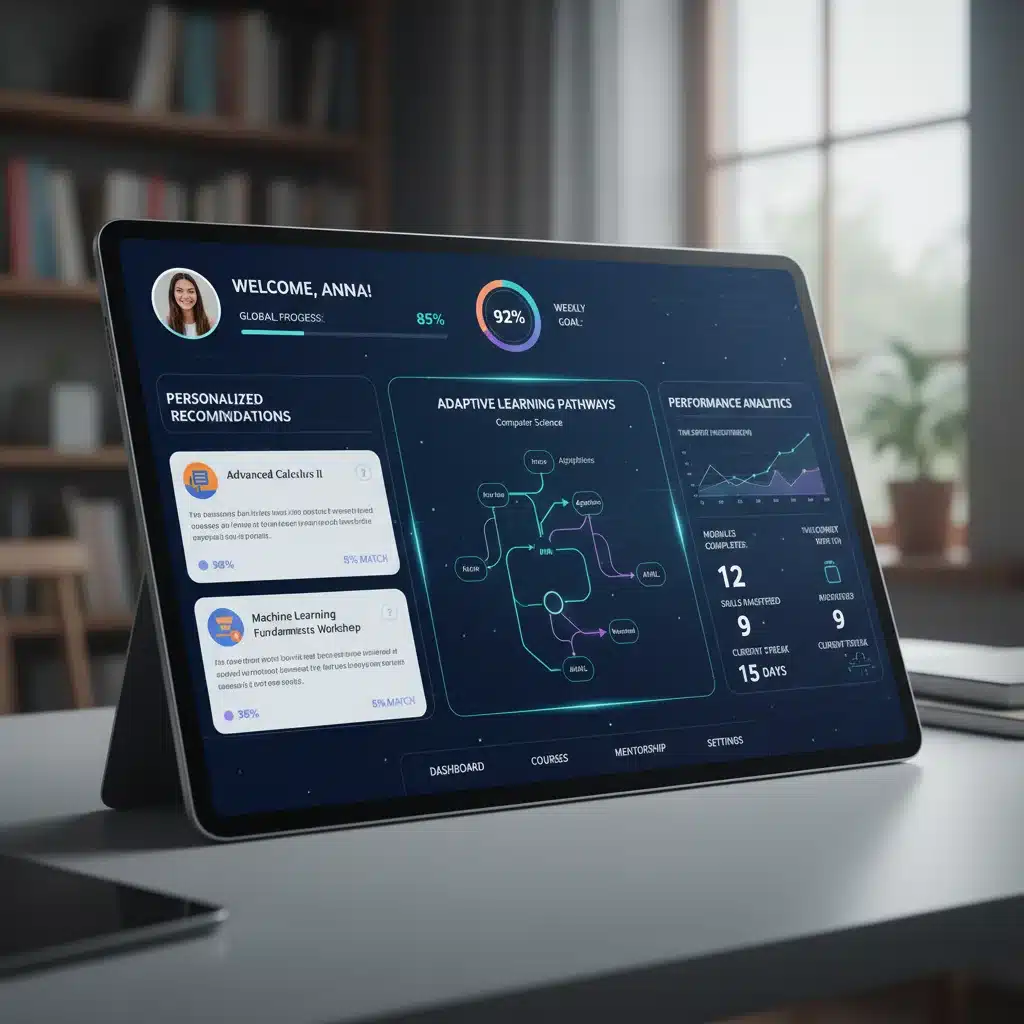
Furthermore, these platforms provide detailed analytics and dashboards for both students and educators. Students can see their strengths and weaknesses, track their progress towards learning objectives, and understand where they need to focus their efforts. Educators gain unprecedented insights into the learning patterns of their entire class and individual students, enabling them to intervene effectively, provide targeted support, and refine their teaching strategies.
Empowering Student Agency and Motivation
Personalized adaptive learning platforms empower students by giving them a greater sense of agency over their education. When students understand that their learning experience is tailored to them, and they can see their own progress and areas for growth, their motivation and engagement often increase significantly. The ability to learn at one’s own pace and receive immediate, relevant feedback fosters a growth mindset, encouraging perseverance and a deeper intrinsic desire to learn.
These platforms also facilitate self-regulated learning, teaching students how to monitor their own understanding, identify gaps in their knowledge, and seek out appropriate resources. This is a critical skill for lifelong learning, preparing students not just for academic success, but for continuous personal and professional development in an ever-changing world.
The Broader Impact on US Education by 2026
The convergence of these three online learning innovations – AI/ML, VR/AR, and Personalized Adaptive Learning Platforms – will profoundly reshape the US education system by 2026 in several key ways:
Increased Accessibility and Equity
Online learning, particularly when enhanced by these technologies, has the potential to dramatically increase access to quality education. Students in rural areas, those with disabilities, or individuals with unique learning needs can benefit from flexible, tailored learning experiences that are not bound by geographical or physical constraints. AI-driven translation and accessibility features will further break down barriers, ensuring that a diverse range of learners can participate fully.
Redefined Role of the Educator
The role of the educator will evolve from primarily a content deliverer to a facilitator, mentor, and learning designer. With AI handling much of the content delivery, assessment, and basic personalization, educators can focus on fostering critical thinking, creativity, collaboration, and socio-emotional development. They will leverage data from adaptive platforms to provide targeted interventions and build deeper, more meaningful relationships with students.
Emphasis on Skills-Based Learning and Competency
As personalized learning pathways become standard, the focus will shift from seat time and grades to demonstrated competency and skills acquisition. VR/AR simulations will allow for objective assessment of practical skills, while AI will track mastery of concepts. This will lead to a more relevant and workforce-aligned education system, where students graduate with verifiable skills directly applicable to their chosen careers.
Continuous Learning and Upskilling
The pace of technological change demands continuous learning. Online learning platforms, enhanced by AI and adaptive features, will become indispensable tools for lifelong learning, enabling professionals to rapidly acquire new skills and adapt to evolving job markets. This will foster a culture of continuous personal and professional development, crucial for economic competitiveness.
Ethical Considerations and Data Privacy
As these technologies become more pervasive, ethical considerations surrounding data privacy, algorithmic bias, and the human element in education will become paramount. Safeguarding student data, ensuring fairness in AI algorithms, and maintaining the essential human connection in learning environments will be critical challenges that must be addressed proactively by policymakers, educators, and technology developers.
Conclusion: A Future of Dynamic and Empowering Education
The journey towards 2026 promises a vibrant and transformative era for online learning in the US. Artificial Intelligence, Virtual and Augmented Reality, and Personalized Adaptive Learning Platforms are not merely technological upgrades; they are foundational online learning innovations that will reshape the very essence of education. They offer the promise of an educational system that is more equitable, engaging, effective, and responsive to the unique needs of every learner.
While challenges in implementation, accessibility, and ethical governance remain, the trajectory is clear: education is becoming increasingly personalized, immersive, and intelligent. By embracing these advancements thoughtfully and strategically, the United States can pave the way for a future where learning is a dynamic, empowering, and lifelong journey for all.
The next few years will undoubtedly be a period of exciting experimentation and rapid evolution. Those who understand and proactively engage with these online learning innovations will be best positioned to thrive in the educational landscape of tomorrow, preparing students not just for the challenges of 2026, but for a future that is continuously shaped by ingenuity and progress.
Author