Student Loan Forgiveness 2026: Navigating Federal Programs and Eligibility
Student Loan Forgiveness 2026: A Deep Dive into Current Federal Programs and Eligibility Requirements
As we look ahead to student loan forgiveness 2026, millions of Americans continue to grapple with the significant burden of student debt. The landscape of federal student loan programs is complex and ever-evolving, making it challenging for borrowers to understand their options for relief. This comprehensive guide aims to demystify the various federal student loan forgiveness programs available, outlining their eligibility requirements, application processes, and potential changes that could impact borrowers in 2026 and beyond. Whether you’re a recent graduate, a seasoned professional, or someone returning to higher education, understanding these programs is crucial for managing your financial future.
The concept of student loan forgiveness 2026 isn’t about a single, sweeping act of debt cancellation for everyone. Instead, it refers to a collection of targeted federal programs designed to provide relief to specific groups of borrowers who meet certain criteria. These programs often reward public service, address financial hardship, or provide relief under specific circumstances, such as school closure or disability. Navigating these options requires diligence, accurate information, and a proactive approach to your loan management.
Understanding the Current Landscape of Student Loan Forgiveness Programs
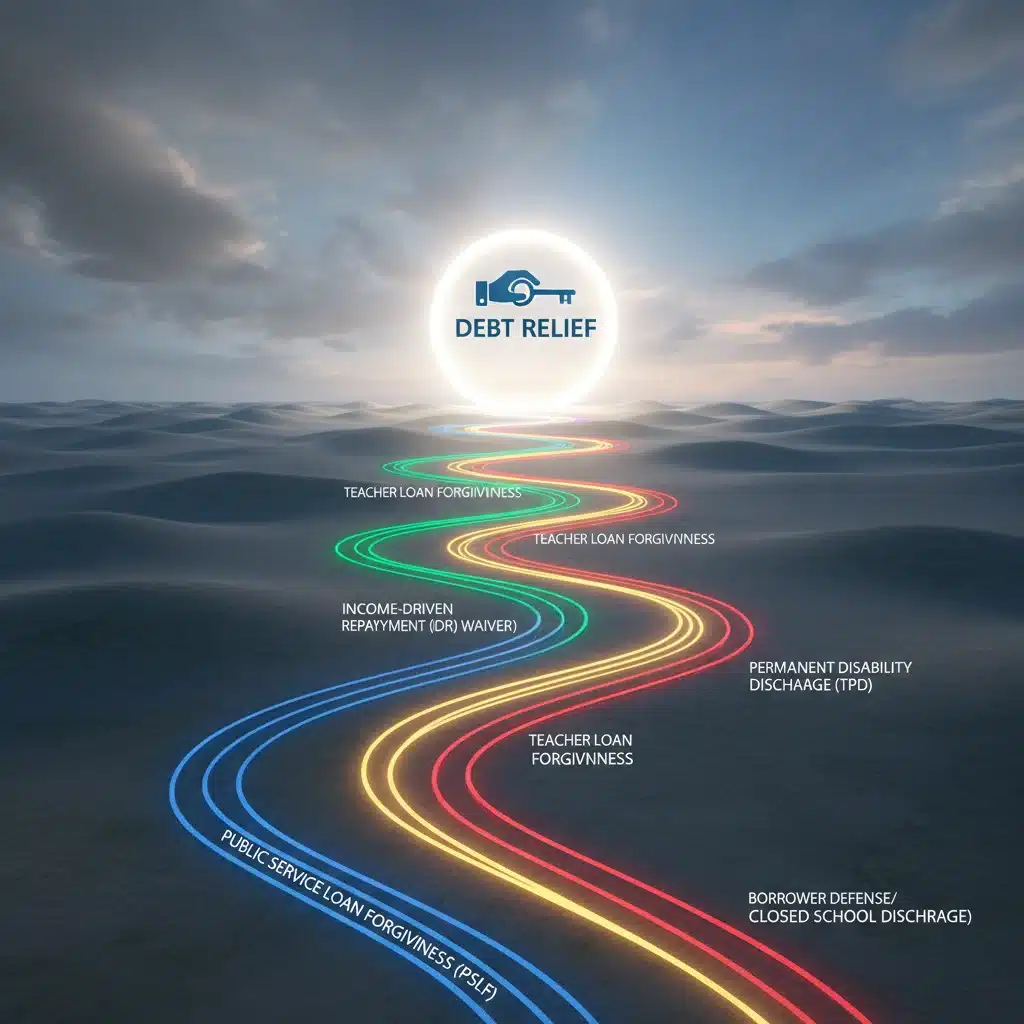
The federal government offers several key programs that provide pathways to student loan forgiveness 2026. Each program has unique requirements and benefits, and it’s essential to identify which one, if any, aligns with your personal and professional circumstances.
Public Service Loan Forgiveness (PSLF) Program
The Public Service Loan Forgiveness (PSLF) program is arguably one of the most well-known and impactful federal initiatives. It’s designed to forgive the remaining balance on Direct Loans for borrowers who work full-time for a qualifying non-profit organization or government agency. To be eligible for PSLF, borrowers must:
- Work full-time for a U.S. federal, state, local, or tribal government organization or a qualifying non-profit organization.
- Have Direct Loans or consolidate other federal student loans into a Direct Consolidation Loan.
- Make 120 qualifying monthly payments under a qualifying income-driven repayment (IDR) plan.
The 120 qualifying payments do not need to be consecutive. This flexibility is crucial for borrowers who may experience changes in employment or financial situations. The key is to ensure that each payment meets all the criteria: it must be made on time, for the full amount due, while employed full-time by a qualifying employer, and under a qualifying repayment plan.
PSLF Eligibility and Application Process for Student Loan Forgiveness 2026
For those aiming for student loan forgiveness 2026 through PSLF, consistent tracking of employment and payments is vital. The process involves:
- Employment Certification: Regularly submit the PSLF Employment Certification Form (ECF) to the Department of Education. This form verifies your employment and helps track your qualifying payments. It’s recommended to submit this annually or whenever you change employers.
- Loan Consolidation: If you have Federal Family Education Loan (FFEL) Program loans, Perkins Loans, or other non-Direct federal loans, you must consolidate them into a Direct Consolidation Loan to be eligible for PSLF.
- Income-Driven Repayment (IDR) Plans: Enroll in an income-driven repayment plan (e.g., SAVE, PAYE, IBR, ICR) as these are the only plans under which PSLF-qualifying payments can be made.
- Making Payments: Make 120 qualifying payments. These payments must be made after October 1, 2007.
- Applying for Forgiveness: After making 120 qualifying payments, submit the PSLF Application for Forgiveness.
It’s important to note that the PSLF program has seen significant changes and improvements over the years, including temporary waivers that have made it easier for some borrowers to qualify. While these waivers may not be active in 2026, understanding the historical context and potential for future modifications is important for borrowers.
Income-Driven Repayment (IDR) Plan Forgiveness
Income-Driven Repayment (IDR) plans are designed to make federal student loan payments more manageable by capping them at a percentage of your discretionary income. After a certain number of years (typically 20 or 25, depending on the plan and whether your loans are for undergraduate or graduate study), any remaining balance on your loans is forgiven. For student loan forgiveness 2026, these plans will continue to be a primary pathway for many borrowers.
The main IDR plans include:
- Saving on a Valuable Education (SAVE) Plan: This new plan (formerly REPAYE) offers potentially lower monthly payments and more generous interest subsidies. It calculates payments based on a smaller percentage of discretionary income and prevents interest capitalization in certain circumstances.
- Pay As You Earn (PAYE) Repayment Plan: Payments are generally 10% of your discretionary income, but never more than what you would pay under the Standard Repayment Plan. Forgiveness after 20 years.
- Income-Based Repayment (IBR) Plan: Payments are generally 10% or 15% of your discretionary income, depending on when you received your first loans. Forgiveness after 20 or 25 years.
- Income-Contingent Repayment (ICR) Plan: Payments are the lesser of 20% of your discretionary income or what you would pay on a plan with a fixed payment over 12 years, adjusted according to your income. Forgiveness after 25 years.
Navigating IDR for Student Loan Forgiveness 2026
For borrowers pursuing student loan forgiveness 2026 through IDR, several factors are crucial:
- Annual Recertification: You must recertify your income and family size annually to ensure your payments remain accurate. Failure to do so can lead to increased payments and capitalized interest.
- Taxable Forgiveness: Historically, the forgiven amount under IDR plans was considered taxable income by the IRS. However, the American Rescue Plan Act of 2021 made all student loan forgiveness tax-free through December 31, 2025. It is critical to monitor if this tax-free status will be extended for student loan forgiveness 2026. This could significantly impact the actual benefit of IDR forgiveness.
- Loan Type: Only federal student loans are eligible for IDR plans. Private student loans do not qualify.
Teacher Loan Forgiveness Program
The Teacher Loan Forgiveness Program is designed to encourage individuals to enter and remain in the teaching profession in low-income schools. Eligible teachers can receive up to $17,500 in forgiveness on their Direct Subsidized and Unsubsidized Loans and their Subsidized and Unsubsidized Federal Stafford Loans. To qualify for student loan forgiveness 2026 under this program:
- You must teach full-time for five complete and consecutive academic years in a low-income elementary or secondary school or educational service agency.
- Your loans must have been made before the end of your five academic years of qualifying teaching service.
- The amount of forgiveness depends on the subject taught. Highly qualified math and science teachers at the secondary level, and highly qualified special education teachers at both elementary and secondary levels, can receive up to $17,500. Other eligible teachers can receive up to $5,000.
Total and Permanent Disability (TPD) Discharge
Borrowers who are totally and permanently disabled may be eligible for a Total and Permanent Disability (TPD) discharge, which forgives 100% of their federal student loans. Eligibility for student loan forgiveness 2026 through TPD can be demonstrated in one of three ways:
- Department of Veterans Affairs (VA) Documentation: A determination by the VA that you are unemployable due to a service-connected disability.
- Social Security Administration (SSA) Documentation: An SSA notice of award for Social Security Disability Insurance (SSDI) or Supplemental Security Income (SSI) stating that your next scheduled disability review will be within 5-7 years or more.
- Physician’s Certification: A certification from a licensed M.D. or D.O. stating that you are unable to engage in any substantial gainful activity due to a physical or mental impairment that can be expected to result in death, has lasted for a continuous period of not less than 60 months, or can be expected to last for a continuous period of not less than 60 months.
After receiving a TPD discharge, borrowers typically undergo a three-year monitoring period to ensure they continue to meet the eligibility requirements. During this period, certain income limitations and reporting requirements apply.
Other Potential Avenues for Student Loan Forgiveness 2026
Beyond the primary programs, other specific situations can lead to federal student loan discharge or forgiveness:
Closed School Discharge
If your school closes while you’re enrolled or soon after you withdraw, you might be eligible for a closed school discharge. This relieves you of the obligation to repay your Direct Loans, FFEL Program loans, or Perkins Loans. To qualify for student loan forgiveness 2026 under this provision, you generally must not have completed your program or transferred your credits to a similar program at another school.
Borrower Defense to Repayment
This provision allows for the discharge of federal student loans if a school misled you or engaged in other misconduct in violation of certain state laws. Claims are typically evaluated on a case-by-case basis, and successful claims can result in full or partial loan forgiveness. This avenue for student loan forgiveness 2026 is particularly relevant for students who attended institutions that engaged in predatory practices.
False Certification Discharge
If your school falsely certified your eligibility to receive federal student loans, you may be eligible for a false certification discharge. This can occur in cases where the school certified your ability to benefit from higher education when you clearly lacked the necessary qualifications (ability-to-benefit discharge) or if you were a victim of identity theft.
Strategic Planning for Student Loan Forgiveness 2026
Successfully navigating the path to student loan forgiveness 2026 requires more than just knowing about the programs; it demands careful planning and proactive management of your loans. Here are key strategies:
1. Understand Your Loan Types
The type of federal student loan you have is the foundational element for determining your eligibility for various forgiveness programs. Direct Loans are generally eligible for the widest range of programs, including PSLF and all IDR plans. FFEL Program loans and Perkins Loans often require consolidation into a Direct Consolidation Loan to qualify for certain benefits. Private student loans are never eligible for federal forgiveness programs.
2. Keep Meticulous Records
For any forgiveness program, especially PSLF and IDR, maintaining thorough records is paramount. This includes:
- Copies of all loan documents.
- Records of all payments made (dates, amounts, confirmation numbers).
- Employment verification forms (ECF for PSLF).
- Annual income recertification documents for IDR plans.
- Any correspondence with your loan servicer or the Department of Education.
These records can be invaluable if there’s ever a dispute regarding your eligibility or payment count.
3. Stay Informed About Policy Changes
The landscape of federal student aid and forgiveness is subject to change based on new legislation, executive actions, and administrative decisions. What applies to student loan forgiveness 2026 might differ slightly from previous years. Subscribe to updates from the Department of Education, follow reputable financial news sources, and regularly check official government websites like StudentAid.gov. Policy changes can sometimes open new windows of opportunity (like past PSLF waivers) or introduce new requirements.
4. Communicate Regularly with Your Loan Servicer
Your loan servicer is your primary point of contact for managing your federal student loans. While they are there to help, it’s crucial to be proactive in your communication. Confirm your repayment plan, ask about your eligibility for specific programs, and ensure your payments are being accurately counted towards forgiveness. Don’t hesitate to request explanations in writing.
5. Consider Professional Financial Advice
For complex situations or if you feel overwhelmed, consulting with a certified financial planner or a non-profit credit counselor specializing in student loan debt can be beneficial. They can help you analyze your specific situation, understand the nuances of each program, and develop a personalized strategy for pursuing student loan forgiveness 2026.
The Future of Student Loan Forgiveness 2026: What to Anticipate
While specific large-scale, across-the-board student loan forgiveness 2026 remains a topic of political debate and uncertainty, the existing targeted federal programs are expected to continue. However, several areas warrant close attention:
Potential for Further IDR Enhancements or Reforms
The introduction of the SAVE plan demonstrates the government’s commitment to making IDR plans more accessible and beneficial. It’s possible that further refinements or new IDR options could emerge, particularly as the Department of Education continues to address the challenges of student loan debt. Borrowers should monitor for any announcements regarding changes to payment calculations, interest accumulation, or forgiveness timelines.
Tax Implications of Forgiveness
As mentioned, the tax-free status of student loan forgiveness is set to expire at the end of 2025. This means that for any loan balances forgiven in student loan forgiveness 2026 (e.g., through IDR plans), the forgiven amount could be considered taxable income by the IRS, unless Congress acts to extend the tax exemption. This is a critical factor that could significantly reduce the net benefit of forgiveness for many borrowers, and it’s essential to plan accordingly.
Continued Scrutiny and Oversight of Loan Servicers
The student loan servicing industry has faced considerable scrutiny, leading to reforms aimed at improving borrower experience and ensuring accurate program implementation. This trend is likely to continue, potentially resulting in better transparency, more consistent application of rules, and improved customer service for borrowers seeking student loan forgiveness 2026.
Impact of Economic Conditions and Political Climate
Economic conditions and the political climate can influence the discourse and potential actions related to student loan debt. High inflation, economic downturns, or changes in presidential administrations can shift priorities and lead to new proposals or adjustments to existing programs. While these broader influences are harder to predict, staying engaged with current events can provide insights into potential future directions for student loan forgiveness 2026 and beyond.
Common Misconceptions About Student Loan Forgiveness 2026
Many borrowers harbor misconceptions that can hinder their pursuit of debt relief. Clarifying these is essential:
Myth: There will be a blanket forgiveness for everyone.
Reality: While there have been calls for widespread forgiveness, current federal programs are targeted. As of now, there is no legislation or executive action planned for a universal forgiveness program for student loan forgiveness 2026. Borrowers should focus on existing programs.
Myth: My loans will automatically be forgiven after a certain time.
Reality: Forgiveness is not automatic. You must proactively apply for most programs, meet specific eligibility criteria, and often make qualifying payments for a significant period. Even for IDR, you must recertify annually.
Myth: Private student loans qualify for federal forgiveness programs.
Reality: Federal student loan forgiveness programs, including PSLF and IDR, apply exclusively to federal student loans. Private loans are governed by different terms and conditions set by private lenders and typically do not offer forgiveness options, except in very limited circumstances like death or permanent disability, at the discretion of the lender.
Myth: You can only get forgiveness if you work in a low-paying job.
Reality: While some programs like IDR adjust payments based on income, PSLF is based on qualifying public service employment, not salary. Many public servants in well-paying professions can still qualify for PSLF if they meet the other criteria.
Steps to Take Now for Student Loan Forgiveness 2026
Regardless of your current situation, there are actionable steps you can take today to prepare for student loan forgiveness 2026:
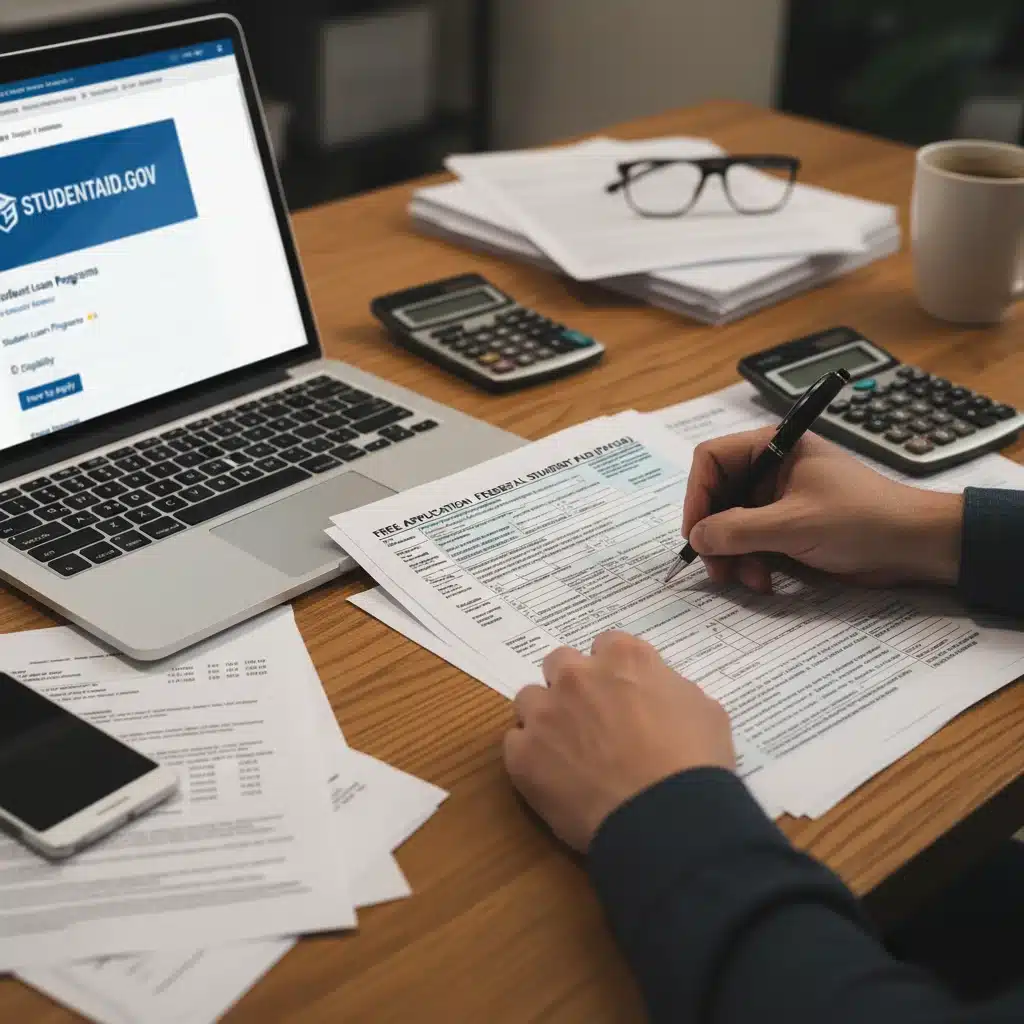
- Identify Your Loan Types: Log into StudentAid.gov to view your complete federal student loan history, including loan types, servicers, and balances.
- Review Your Repayment Plan: Ensure you are on an eligible income-driven repayment plan if you are pursuing PSLF or IDR forgiveness. If not, consider switching.
- Certify Your Employment (for PSLF): If you believe you qualify for PSLF, submit the PSLF Employment Certification Form regularly to track your progress.
- Recertify Your Income (for IDR): Make sure you recertify your income and family size annually for IDR plans to keep your payments affordable and on track for forgiveness.
- Explore State and Employer-Specific Programs: Beyond federal programs, some states and employers offer their own loan repayment assistance or forgiveness programs, especially for professionals in high-need areas like healthcare, education, or law. Researching these can provide additional avenues for relief.
- Build an Emergency Fund: While pursuing forgiveness, having an emergency fund can provide a buffer against unexpected financial hardships that might otherwise disrupt your ability to make qualifying payments.
- Stay Organized: Keep a dedicated folder (physical or digital) for all student loan-related documents. This will be invaluable when applying for forgiveness.
Conclusion
The journey toward student loan forgiveness 2026 can be complex, but it is certainly navigable with the right information and a strategic approach. Federal programs like PSLF, IDR, and Teacher Loan Forgiveness offer significant relief to eligible borrowers, while other provisions address specific circumstances such as disability or school misconduct. By understanding your loan types, meticulously tracking your progress, staying informed about policy changes, and proactively engaging with your loan servicer, you can maximize your chances of achieving student loan forgiveness.
Remember that the landscape is dynamic, and vigilance is key. What holds true for student loan forgiveness 2026 might evolve, so continuous learning and adaptation are essential. Take control of your student loan debt by exploring these options and planning your financial future with confidence.
Author