
The journey to higher education is a dynamic one, constantly reshaped by societal shifts, technological advancements, and evolving institutional priorities. For students aspiring to enter college in 2026, understanding the current and emerging trends in 2026 college admissions is not just beneficial; it’s essential for crafting a successful application strategy. The landscape is more competitive and nuanced than ever before, demanding a proactive and informed approach from applicants and their families. This comprehensive guide delves into seven critical trends that are poised to define the 2026 college admissions cycle, offering insights and actionable advice to help you navigate this complex terrain.
From the enduring impact of test-optional policies to the increasing emphasis on demonstrated interest and authentic personal narratives, each trend presents both challenges and opportunities. Our goal is to equip you with the knowledge needed to not only meet but exceed the expectations of admissions committees, ensuring your application stands out amidst a sea of qualified candidates.
Trend 1: The Enduring & Evolving Role of Test-Optional Policies in 2026 College Admissions
One of the most significant and lasting shifts in higher education admissions has been the widespread adoption of test-optional policies. Initially accelerated by the COVID-19 pandemic, this trend shows no signs of abating and will be a cornerstone of 2026 college admissions. Many institutions, including highly selective ones, have either extended their test-optional status indefinitely or adopted a test-blind approach.
For applicants, this means a few key considerations. Firstly, the pressure to achieve a stellar SAT or ACT score has been somewhat alleviated, allowing students to focus on other aspects of their application. However, ‘optional’ does not mean ‘irrelevant.’ If you have strong test scores that reflect your academic abilities, submitting them can still strengthen your application, especially for merit scholarships or competitive programs. Conversely, if your scores do not accurately represent your potential, withholding them allows your other credentials—GPA, essays, recommendations, extracurriculars—to take center stage.
The nuance lies in understanding each institution’s specific policy. Some universities are truly test-blind, meaning they won’t even look at scores if submitted. Others are test-optional but still consider scores as one factor among many. Researching each college’s stance is paramount. This evolving landscape requires students to make strategic decisions about testing, weighing the potential benefits against the time and effort invested in test preparation. The emphasis is increasingly on a holistic review, where test scores are just one piece of a much larger puzzle, and often, not even a required one.
Trend 2: The Intensification of Holistic Review and Demonstrated Interest
The concept of holistic review has been gaining traction for years, but it will be more critical than ever in 2026 college admissions. With test scores becoming less central, admissions committees are placing an even greater emphasis on evaluating the ‘whole applicant.’ This means a deep dive into your academic record, personal essays, letters of recommendation, extracurricular activities, and demonstrated interest.
Your academic record goes beyond just GPA; it includes the rigor of your coursework, your performance in challenging subjects, and your intellectual curiosity. Essays are your opportunity to showcase your unique voice, personality, values, and why you are a good fit for a particular institution. Letters of recommendation provide external validation of your character, work ethic, and contributions to your school community.
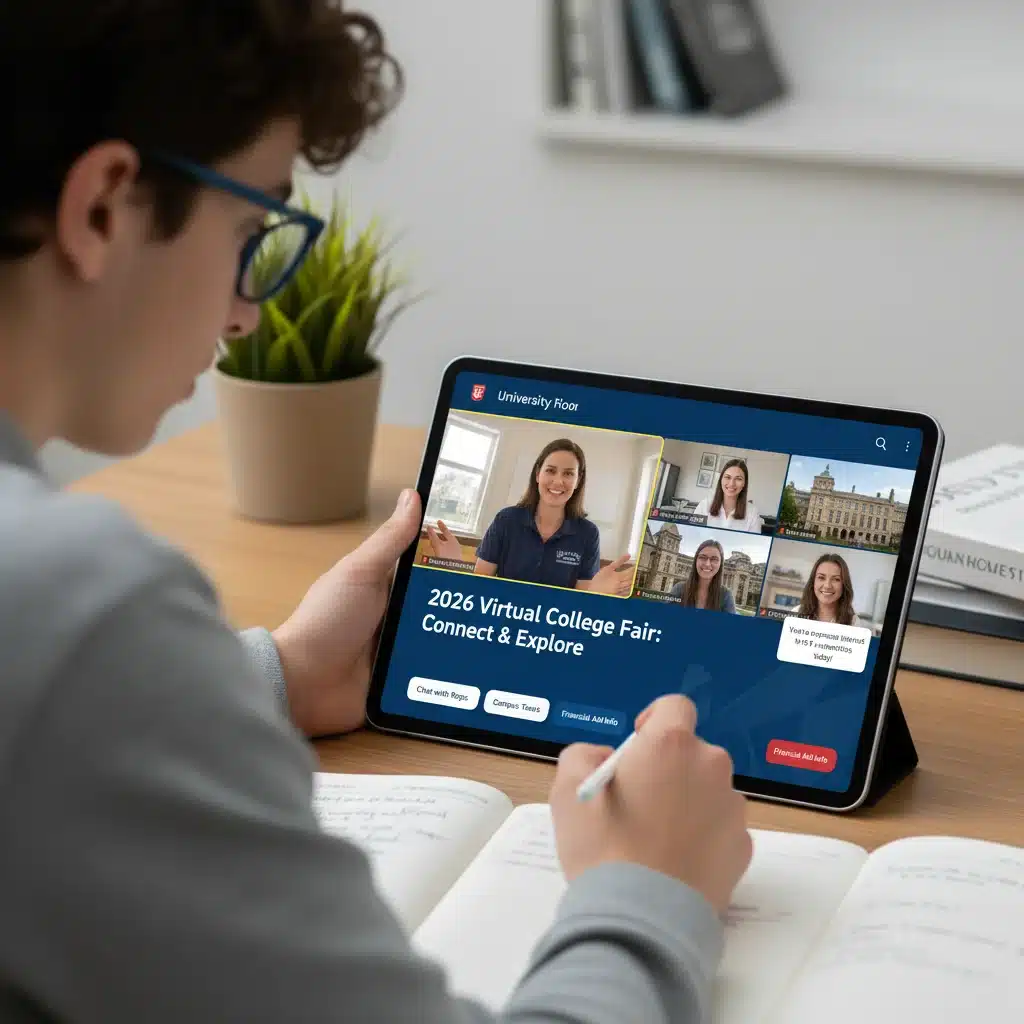
However, perhaps the most underrated aspect of holistic review in the upcoming cycle is ‘demonstrated interest.’ Colleges want to admit students who genuinely want to attend their institution. Admissions officers track how applicants engage with their university—attending virtual info sessions, visiting campus (if possible), interacting with admissions counselors, opening emails, and following social media. Expressing genuine interest can significantly boost your chances, especially in a competitive pool. It signals to the college that you are more likely to enroll if admitted, which is a crucial factor for institutions managing their yield rates.
Trend 3: The Growing Importance of Diversity, Equity, and Inclusion (DEI) Narratives
Conversations around diversity, equity, and inclusion have profoundly influenced higher education, and their impact on 2026 college admissions will be undeniable. Colleges are increasingly committed to building diverse student bodies that reflect a wide range of backgrounds, experiences, and perspectives. This commitment extends beyond traditional demographic categories to include socioeconomic status, geographic origin, first-generation college student status, unique talents, and personal challenges overcome.
For applicants, this trend means thoughtfully considering how your unique background and experiences have shaped you and how you can contribute to a diverse campus community. Admissions essays and supplemental questions often provide opportunities to share these aspects of your identity and journey. It’s not about fabricating experiences but authentically reflecting on your lived reality and how it has fostered growth, resilience, or a particular worldview. Colleges are looking for students who will enrich the campus environment, foster intellectual debate, and contribute to a more inclusive community.
Furthermore, many institutions are actively seeking students who have demonstrated a commitment to DEI initiatives in their high school or local community. This could be through participation in relevant clubs, volunteer work, leadership roles, or even personal advocacy. Highlighting these experiences can demonstrate alignment with a college’s values and show that you are a thoughtful, engaged citizen ready to contribute positively to a campus culture that values diversity.
Trend 4: The Rise of Digital Portfolios and Non-Traditional Application Components
As technology continues to evolve, so too do the ways students can present themselves to colleges. Beyond the traditional application components, 2026 college admissions will see an increased emphasis on digital portfolios and other non-traditional submission methods, particularly for students in creative fields, STEM, or those with unique talents.
A digital portfolio can offer a dynamic and comprehensive view of your skills and accomplishments that a transcript or essay alone cannot convey. For aspiring artists, musicians, writers, or filmmakers, a portfolio of their work is often a requirement. However, students in other disciplines can also benefit. For instance, a budding engineer might showcase robotics projects, a computer science enthusiast could present coding projects, or a student passionate about social justice might compile a portfolio of their advocacy work, research, or community initiatives.
These digital submissions allow applicants to demonstrate creativity, critical thinking, problem-solving skills, and real-world application of their knowledge in a way that is difficult to capture through standardized forms. Colleges are looking for evidence of passion, initiative, and tangible contributions. Utilizing platforms like SlideRoom or creating personal websites can provide a professional and impactful way to present these additional materials. This trend underscores the importance of documenting your achievements and projects throughout high school, thinking creatively about how to showcase your unique talents and passions.
Trend 5: Increased Focus on Character and Contribution to Community
In an increasingly competitive environment, colleges are looking beyond academic prowess and extracurricular achievements to identify students who possess strong character, empathy, and a genuine desire to contribute positively to their campus and the wider community. This focus on character and contribution will be a significant factor in 2026 college admissions.
Admissions committees are seeking students who are not only intelligent but also kind, resilient, collaborative, and ethically minded. This is often assessed through letters of recommendation, essay topics that explore ethical dilemmas or personal growth, and descriptions of extracurricular involvement. Simply participating in numerous activities is less impactful than demonstrating meaningful engagement, leadership, and a positive influence within those activities.
Think about how your experiences have shaped your values and how you have used your skills to benefit others. Have you mentored younger students? Organized a fundraiser for a cause you believe in? Helped a struggling classmate? These types of experiences, when articulated thoughtfully, can reveal a depth of character that resonates with admissions officers. Colleges want to build communities of students who will support one another, engage respectfully with diverse viewpoints, and ultimately become responsible global citizens. Emphasizing your character and potential for positive contribution can significantly strengthen your application.
Trend 6: The Growing Influence of Social Media and Online Presence
In our hyper-connected world, an applicant’s digital footprint is becoming an increasingly relevant, albeit often unspoken, factor in 2026 college admissions. While colleges generally do not actively scour applicants’ social media profiles, instances of inappropriate or concerning online behavior can come to light and negatively impact an application.
More importantly, a positive and professional online presence can actually enhance an application. This doesn’t mean you need to be a social media influencer, but rather that your public profiles (LinkedIn, personal websites, even carefully curated Instagram or Twitter accounts) should reflect maturity, thoughtfulness, and align with the image you present in your application. For example, if you claim to be passionate about environmental activism, your online presence could subtly reinforce this through shared articles or engagement with relevant organizations.
Students should be mindful of what they post and share online, understanding that anything publicly accessible could potentially be viewed by anyone, including admissions committees. A clean, professional, and authentic online presence demonstrates good judgment and reinforces the positive attributes highlighted in your application. Conversely, a careless or inappropriate digital footprint can raise red flags about character and maturity. It’s an opportunity to showcase your passions and intellectual interests in a different format, but it requires careful management and awareness.
Trend 7: Increased Competition for Financial Aid and Scholarships
As the cost of higher education continues to rise, financial considerations play an increasingly significant role for many families. This will translate into heightened competition for financial aid and scholarships in 2026 college admissions. Colleges are facing their own financial pressures, and while many are committed to meeting demonstrated need, the pool of applicants seeking assistance is growing.
For students, this means being exceptionally proactive and strategic in their approach to funding their education. It’s crucial to understand the various types of financial aid (grants, scholarships, loans, work-study) and how different institutions award them. Some colleges are renowned for their generous need-based aid, while others offer more merit-based scholarships.
Applicants should meticulously complete the FAFSA (Free Application for Federal Student Aid) and CSS Profile (College Scholarship Service Profile) well in advance of deadlines. Beyond institutional aid, actively seeking external scholarships from local organizations, national foundations, and private companies is more important than ever. This requires diligent research and application efforts throughout high school. Demonstrating strong academic performance, leadership, and unique talents can make you a more attractive candidate for merit scholarships, even at institutions that primarily focus on need-based aid. Early planning and a comprehensive search strategy for financial aid will be vital for affordability and accessibility in the 2026 college admissions cycle.
Strategies for Success in 2026 College Admissions
Navigating the complex landscape of 2026 college admissions requires more than just good grades; it demands a strategic, self-aware, and proactive approach. Here’s a summary of strategies to help you succeed:
- Start Early and Plan Ahead: Don’t wait until your senior year. Begin researching colleges, understanding their admission requirements, and exploring potential majors as early as possible. This includes planning your high school coursework to align with your academic interests and college aspirations.
- Cultivate a Strong Academic Record: While test scores are optional at many places, a challenging curriculum and strong grades remain paramount. Take AP, IB, or honors courses if available and appropriate for your abilities. Show consistent effort and intellectual curiosity.
- Engage Meaningfully in Extracurriculars: Quality over quantity. Focus on a few activities where you can demonstrate leadership, passion, commitment, and impact. Colleges want to see depth, not just a long list.
- Craft Compelling Essays: Your essays are your voice. Use them to tell your unique story, showcase your personality, articulate your aspirations, and explain why you are a good fit for a particular institution. Start brainstorming early and seek feedback.
- Build Strong Relationships with Recommenders: Choose teachers and counselors who know you well and can speak genuinely about your character, work ethic, and contributions. Ask them early and provide them with information to help them write strong letters.
- Demonstrate Genuine Interest: Engage with colleges through virtual tours, information sessions, email communication, and campus visits if feasible. Show them you are serious about their institution.
- Manage Your Digital Footprint: Ensure your online presence is professional and reflects positively on you. Be mindful of what you post and share.
- Be Proactive with Financial Aid: Research financial aid options early, understand deadlines, and apply for both institutional and external scholarships.
- Seek Guidance: Utilize your school counselors, independent educational consultants, and mentors. They can provide invaluable advice and support throughout the application process.
The Future of 2026 College Admissions
The trends discussed – from test-optional policies to DEI narratives and the increasing role of digital portfolios – collectively paint a picture of a more nuanced, holistic, and values-driven admissions process for 2026 college admissions. Colleges are increasingly looking for authentic, well-rounded individuals who will not only succeed academically but also contribute positively to the campus community and beyond.
For prospective students, this means that every component of your application holds weight. It’s about presenting a cohesive narrative that highlights your strengths, passions, character, and potential. It’s about being intentional in your choices, both inside and outside the classroom, and articulating how those choices have shaped you. The emphasis is less on checking boxes and more on demonstrating genuine engagement, intellectual curiosity, and a readiness to thrive in a diverse and challenging academic environment.
While the path to college can seem daunting, approaching it with a clear understanding of these trends can transform anxiety into opportunity. By focusing on personal growth, authentic self-expression, and strategic engagement, you can position yourself for success in the competitive and ever-evolving world of 2026 college admissions. Embrace the process, stay true to yourself, and remember that your unique journey is your most powerful asset.