WIC Benefits 2026: Key Dietary Changes for Eligible Families

WIC Benefits 2026: What 2 Key Dietary Changes Mean for Eligible Families
The Special Supplemental Nutrition Program for Women, Infants, and Children (WIC) has been a cornerstone of nutritional support for millions of low-income pregnant, breastfeeding, and postpartum women, and infants and children up to age five, for decades. Its mission is clear: to safeguard the health of these vulnerable populations by providing nutritious foods to supplement diets, information on healthy eating, and referrals to health care. As we approach 2026, significant updates to the WIC food packages are on the horizon, promising to reshape how eligible families access and utilize their benefits. These WIC dietary changes are designed to align the program more closely with the latest dietary science and public health recommendations, ensuring participants receive the most beneficial foods for optimal growth and development.
Understanding these upcoming WIC dietary changes is crucial for current and prospective WIC families, as well as the healthcare providers, retailers, and community organizations that support them. The revisions aim to enhance the nutritional quality of the food packages, promoting healthier eating patterns from an early age. This comprehensive guide will delve into the specifics of these two key dietary changes, explore their rationale, discuss the potential impact on families, and provide practical advice on how to adapt and maximize the benefits of the updated WIC program.
The Evolution of WIC: A Commitment to Health
Since its inception in 1974, WIC has continuously evolved, adapting to new scientific understanding of nutrition and the changing needs of the families it serves. The program’s success is undeniable, contributing to improved birth outcomes, reduced infant mortality, and better dietary intake among participants. Periodically, the U.S. Department of Agriculture (USDA), which administers WIC, reviews and updates the WIC food packages based on recommendations from the National Academies of Sciences, Engineering, and Medicine (NASEM). These reviews ensure that the food packages reflect current dietary guidelines, cultural eating patterns, and food availability.
The upcoming WIC dietary changes for 2026 are a direct result of the most recent NASEM report, which provided a thorough evaluation of the WIC food packages and suggested modifications to further enhance their nutritional impact. These recommendations are not arbitrary; they are grounded in extensive research on child development, maternal health, and the prevention of diet-related diseases. The goal is to make the WIC food packages even more effective tools for fostering lifelong healthy eating habits.
Key Dietary Change 1: Enhanced Focus on Fruits, Vegetables, and Whole Grains
One of the most significant WIC dietary changes for 2026 will be a substantial increase in the allowance for fruits and vegetables, coupled with an even stronger emphasis on whole grains. This change reflects the overwhelming scientific consensus on the importance of these food groups for overall health and disease prevention. Fruits and vegetables are rich in vitamins, minerals, fiber, and antioxidants, all essential for growth, immune function, and reducing the risk of chronic diseases. Whole grains provide sustained energy, fiber, and various B vitamins, contributing to digestive health and satiety.
Increased Cash Value Benefit (CVB) for Fruits and Vegetables
The most tangible aspect of this change for families will be a notable increase in the Cash Value Benefit (CVB) for fruits and vegetables. Currently, the CVB provides a fixed dollar amount that participants can use to purchase fresh, frozen, or canned fruits and vegetables. The 2026 updates are expected to significantly boost these amounts, allowing families to purchase a wider variety and greater quantity of produce. For example, infants, children, and pregnant/postpartum/breastfeeding women will see their CVB amounts rise, enabling them to meet daily recommended intakes more easily.
This expansion aims to:
- Improve Dietary Quality: By making more fruits and vegetables accessible, WIC hopes to improve the overall dietary quality of participants, moving them closer to national dietary guidelines.
- Promote Healthy Habits: Early exposure to a diverse range of fruits and vegetables can help establish healthy eating habits that last a lifetime.
- Reduce Food Insecurity: For many WIC families, the CVB is a critical component of their food budget, and an increase can alleviate some of the financial burden of purchasing nutritious foods.
Stronger Emphasis on Whole Grains
In addition to fruits and vegetables, the WIC dietary changes will also reinforce the importance of whole grains. This means that the types of bread, cereals, and other grain products offered through WIC will be even more strictly aligned with whole-grain recommendations. While whole grains are already a component of WIC food packages, the 2026 updates will likely refine the criteria to ensure that participants receive products with higher whole-grain content and fewer refined grains.
This shift is intended to:
- Increase Fiber Intake: Whole grains are excellent sources of dietary fiber, which is crucial for digestive health and can help manage blood sugar levels.
- Provide Essential Nutrients: Unlike refined grains, whole grains retain their bran and germ, which are packed with B vitamins, iron, magnesium, and other vital nutrients.
- Support Long-Term Health: Regular consumption of whole grains is associated with a lower risk of heart disease, type 2 diabetes, and certain cancers.
Families can expect to see more explicit guidance on selecting whole-grain products and potentially a wider variety of approved whole-grain options in stores. This could include items like brown rice, whole wheat pasta, whole oat oatmeal, and whole wheat bread, all designed to meet the updated standards.
Key Dietary Change 2: Increased Flexibility and Cultural Relevance in Food Choices
The second major WIC dietary change for 2026 centers on enhancing flexibility within the food packages and ensuring greater cultural relevance in the available food choices. WIC serves a highly diverse population, and recognizing and accommodating different cultural eating patterns is essential for the program’s effectiveness and participant satisfaction. This change acknowledges that a one-size-fits-all approach may not always be the most effective way to promote healthy eating across various communities.
Expanding Food Options Within Categories
To increase flexibility, the updated WIC guidelines are expected to broaden the range of allowable foods within existing categories. This could mean:
- More Protein Options: Beyond traditional dairy and eggs, there might be an expansion of plant-based protein options, such as legumes (beans, lentils) and possibly tofu or other culturally relevant protein sources. This is particularly beneficial for families with dietary restrictions, allergies, or cultural preferences.
- Diverse Milk Alternatives: While some milk alternatives are currently allowed, the new guidelines may expand the types of fortified plant-based milk (e.g., soy, almond, oat milk) that can be purchased, provided they meet specific nutritional standards.
- Greater Variety in Whole Grains: As mentioned, the whole grain category itself might see more diverse product types, moving beyond just bread and cereal to include other culturally significant whole grains like quinoa, millet, or specific types of whole grain tortillas.

This increased flexibility is not just about offering more choices; it’s about making it easier for families to select foods they enjoy and are accustomed to preparing, thereby increasing the likelihood of consistent participation and consumption of nutritious foods.
Addressing Cultural Eating Patterns
A crucial aspect of this second WIC dietary change is the explicit effort to incorporate cultural relevance into the food packages. This means actively working to ensure that the food options provided resonate with the dietary practices and preferences of various ethnic and cultural groups. For instance:
- Culturally Appropriate Foods: The program may approve specific food items that are staples in certain cultures but were previously not widely available through WIC. This could include different types of fortified cereals, specific legumes, or even certain types of cheese.
- Local and Regional Adaptations: WIC state agencies might be given more leeway to tailor their food lists to include locally available and culturally significant foods, provided they meet nutritional requirements. This could be particularly impactful in areas with large immigrant populations or distinct regional culinary traditions.
- Nutrition Education Materials: Alongside changes to food packages, WIC nutrition education materials will likely be updated to reflect diverse cultural eating patterns, offering recipes and advice that are relevant and appealing to a broader audience.
By embracing cultural diversity, WIC aims to reduce barriers to healthy eating, foster a sense of inclusivity, and make the program more effective for all participants. When families can choose foods that fit their cultural identity, they are more likely to integrate these foods into their regular diet and sustain healthy eating habits.
The Rationale Behind These WIC Dietary Changes
These two key WIC dietary changes are not arbitrary; they are rooted in sound public health principles and scientific evidence. The primary drivers include:
- Alignment with Dietary Guidelines for Americans: The USDA’s Dietary Guidelines for Americans (DGAs) provide science-based advice to promote health and reduce the risk of chronic diseases. The WIC food package updates ensure that the program’s offerings are fully aligned with the latest DGAs, which strongly emphasize fruits, vegetables, and whole grains, and advocate for diverse, culturally appropriate diets.
- Addressing Health Disparities: Low-income populations, including many WIC participants, often face higher rates of diet-related chronic diseases. By increasing access to nutrient-dense foods, WIC aims to mitigate these disparities and promote better long-term health outcomes.
- Supporting Breastfeeding: The updates also consider the nutritional needs of breastfeeding mothers, ensuring they have access to foods that support their health and milk production.
- Responding to Participant Feedback: WIC regularly gathers feedback from participants and stakeholders. The desire for more flexibility and culturally relevant food options has been a consistent theme, and these changes reflect an effort to respond to those needs.
- Promoting Healthy Growth and Development: For infants and young children, early nutrition is paramount. The enhanced focus on fruits, vegetables, and whole grains provides the building blocks for healthy physical and cognitive development, setting the stage for a healthy life.
Impact on Eligible Families: What to Expect
For eligible families, these WIC dietary changes will bring both opportunities and adjustments. Here’s a breakdown of what to expect:
Increased Access to Nutritious Foods
The most immediate and positive impact will be greater access to a wider array of healthy foods. The increased CVB for fruits and vegetables means families can purchase more of these essential items without straining their budgets. The broader range of approved foods will also make it easier to meet dietary needs and preferences.
Potential for Healthier Eating Habits
With more nutritious options available, families are encouraged to adopt healthier eating habits. WIC nutrition education will play a vital role in helping families understand how to incorporate these new foods into their diets and prepare healthy meals. This can lead to improved nutritional intake for both mothers and children.
Learning New Shopping Strategies
Families may need to adjust their shopping routines to take full advantage of the new food packages. This could involve exploring different sections of the grocery store, understanding new product labels (especially for whole grains and milk alternatives), and perhaps trying new recipes. WIC staff will be available to provide guidance and support during this transition.
Reduced Food-Related Stress
For many low-income families, the financial burden of purchasing healthy food is a significant source of stress. The enhanced WIC benefits, particularly the increased CVB, can alleviate some of this pressure, allowing families to focus more on preparing nutritious meals rather than worrying about affording them.
Navigating the New WIC Landscape: Tips for Families
As the WIC dietary changes roll out in 2026, here are some practical tips for eligible families to make the most of their benefits:
1. Stay Informed and Engaged with Your WIC Clinic
Your local WIC clinic is your primary resource for information about the upcoming changes. Attend scheduled appointments, ask questions, and make sure your contact information is up-to-date so you receive all relevant communications. WIC staff can provide personalized guidance on how the changes will affect your specific food package.
2. Explore New Food Options
Be open to trying new fruits, vegetables, whole grains, and protein sources that become available through WIC. This is an excellent opportunity to diversify your family’s diet and discover new favorites. Look for recipes and cooking tips provided by WIC or online resources that focus on using WIC-approved foods.
3. Utilize the Increased CVB for Fruits and Vegetables
With more funds allocated to fruits and vegetables, make it a priority to purchase a wide variety of produce. Consider seasonal options, which are often more affordable and flavorful. Don’t forget about frozen and canned options (without added sugar, salt, or fat) as convenient and nutritious choices.
4. Understand Whole Grain Labels
Familiarize yourself with food labels to identify genuine whole grain products. Look for the words “whole grain” as the first ingredient on bread, cereal, and pasta packages. Your WIC nutritionist can help you decipher these labels.
5. Take Advantage of Nutrition Education
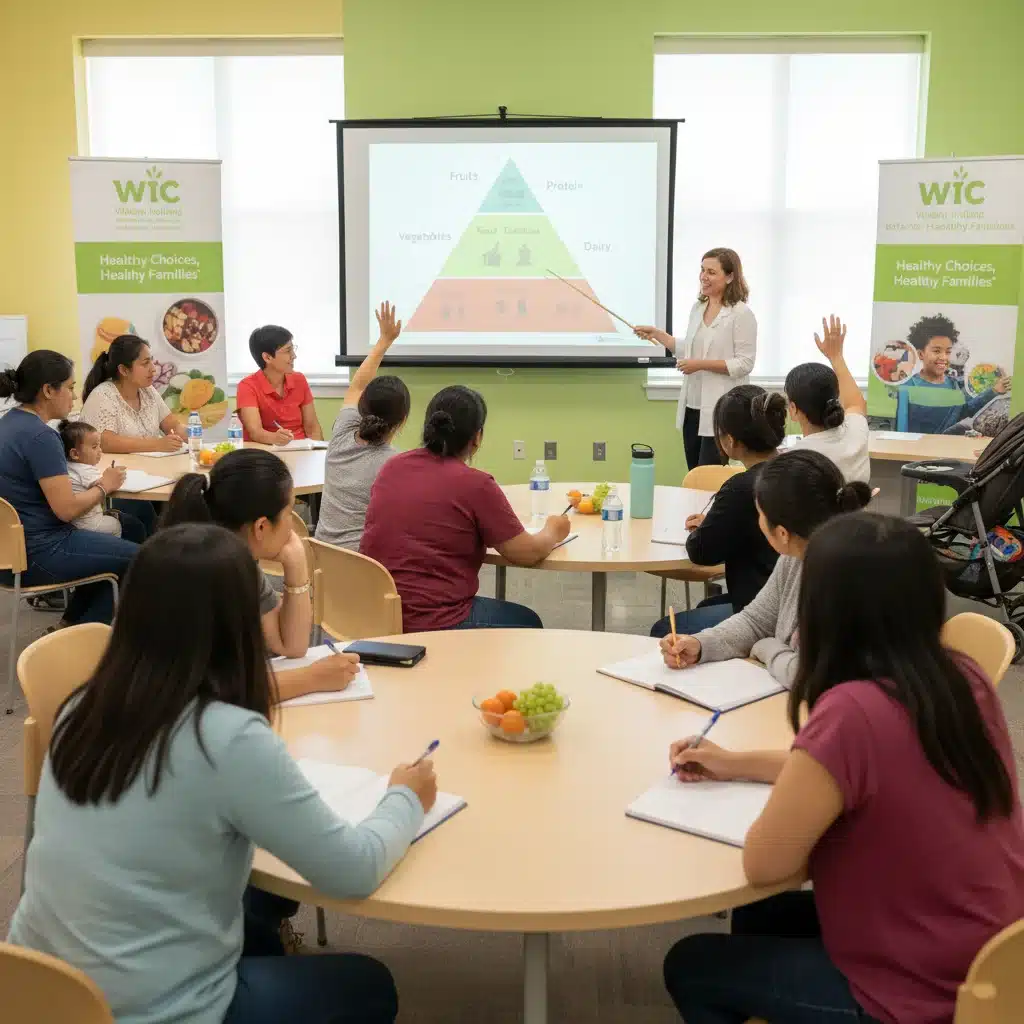
WIC offers invaluable nutrition education tailored to the needs of pregnant women, new mothers, infants, and young children. These sessions will be updated to reflect the new food packages and can provide practical tips for healthy eating, meal planning, and food preparation. Engaging in these educational opportunities is key to maximizing the health benefits of WIC.
6. Plan Your Shopping Trips
Before heading to the grocery store, review your WIC food benefits and make a shopping list. This helps ensure you purchase all the allowable items and avoid impulse buys. Consider visiting farmers’ markets or WIC-authorized stores that offer a good selection of the new WIC-approved foods.
7. Communicate Your Needs
If you have specific dietary needs, allergies, or cultural preferences, communicate them to your WIC nutritionist. The program is designed to be flexible, and they can help you find suitable alternatives within the approved food categories.
Broader Implications of the WIC Dietary Changes
Beyond individual families, these WIC dietary changes have broader implications for public health, the food industry, and community support systems.
Public Health Benefits
By promoting healthier eating patterns from early childhood, WIC contributes significantly to long-term public health. Reduced rates of childhood obesity, improved maternal health outcomes, and a decrease in diet-related chronic diseases can all be attributed, in part, to programs like WIC. The 2026 changes are expected to amplify these positive effects.
Impact on Food Retailers
WIC-authorized retailers will need to adapt their inventory and shelving practices to accommodate the new food package requirements. This includes stocking a wider variety of approved fruits, vegetables, whole grains, and culturally relevant foods. Training staff on the updated WIC rules will also be essential to ensure smooth transactions for participants.
Role of Community Organizations
Community organizations, food banks, and healthcare providers often work in conjunction with WIC to support families. They will play a crucial role in disseminating information about the WIC dietary changes, assisting families with navigation, and offering complementary programs (e.g., cooking classes, gardening initiatives) that reinforce healthy eating messages.
Economic Considerations
The increased investment in nutritious foods through WIC can also have economic benefits. A healthier population is a more productive population, leading to reduced healthcare costs in the long run. Furthermore, the increased demand for certain food categories, like fresh produce, can support local agriculture and food systems.
Addressing Potential Challenges
While the WIC dietary changes are overwhelmingly positive, there may be some challenges during implementation. These could include:
- Retailer Adaptation: Ensuring all WIC-authorized stores, especially smaller ones, can stock the expanded range of approved foods may require support and clear guidance from state WIC agencies.
- Participant Understanding: Some families, particularly those with language barriers or limited access to information, may require extra assistance in understanding and adapting to the new rules.
- Food Preferences: While flexibility is increasing, some participants may still find certain new requirements challenging to integrate into their family’s established eating patterns. Ongoing nutrition education and counseling will be vital here.
WIC agencies are typically proactive in addressing these challenges through robust communication campaigns, comprehensive training for staff and retailers, and continuous feedback mechanisms to refine implementation strategies.
Conclusion: A Healthier Future with WIC
The upcoming WIC dietary changes in 2026 represent a significant step forward in the program’s ongoing commitment to improving the health and well-being of women, infants, and children. By enhancing the focus on nutrient-dense foods like fruits, vegetables, and whole grains, and by embracing greater flexibility and cultural relevance, WIC is poised to deliver even more impactful nutritional support.
For eligible families, this means more opportunities to access and consume the foods essential for optimal growth, development, and long-term health. While adjustments will be necessary, the benefits of these changes—from improved dietary quality to reduced food-related stress—are substantial. By staying informed, engaging with WIC resources, and embracing the new options, families can confidently navigate the updated program and build a foundation for healthier futures. The enduring legacy of WIC continues to evolve, demonstrating a steadfast dedication to nurturing the health of the nation’s most vulnerable populations.
Author